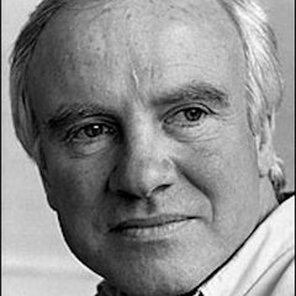
Patrick Caulfield found unexpected poetry and melancholy in everyday things, from a coffee pot to an empty restaurant. Often grouped with British Pop art after he emerged in the 1960s, he preferred to call himself a ‘formal’ artist. Screenprinting was central to his work and he made 113 prints between 1964 and 1999, all of which are now held by Tate.
Summary
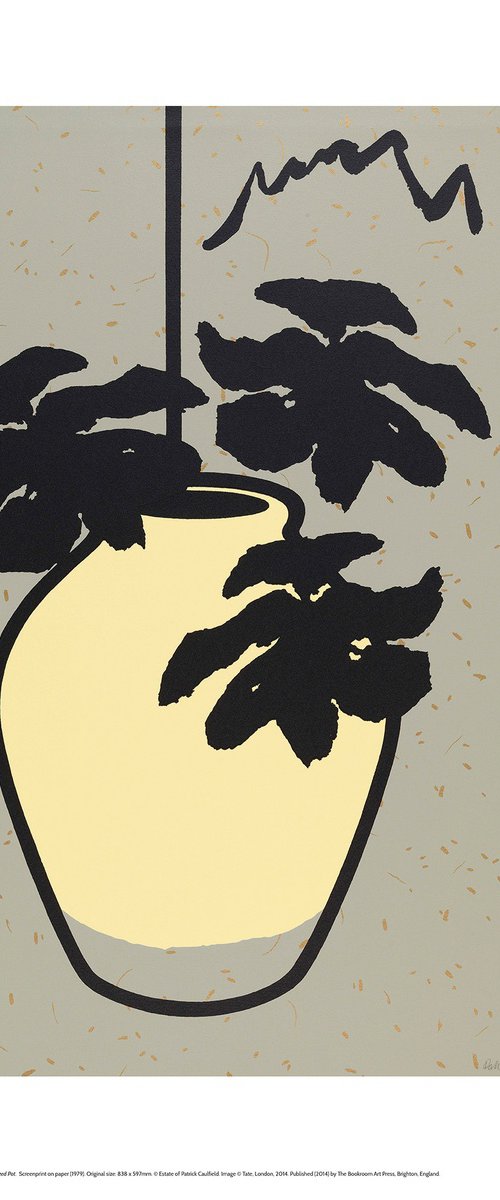
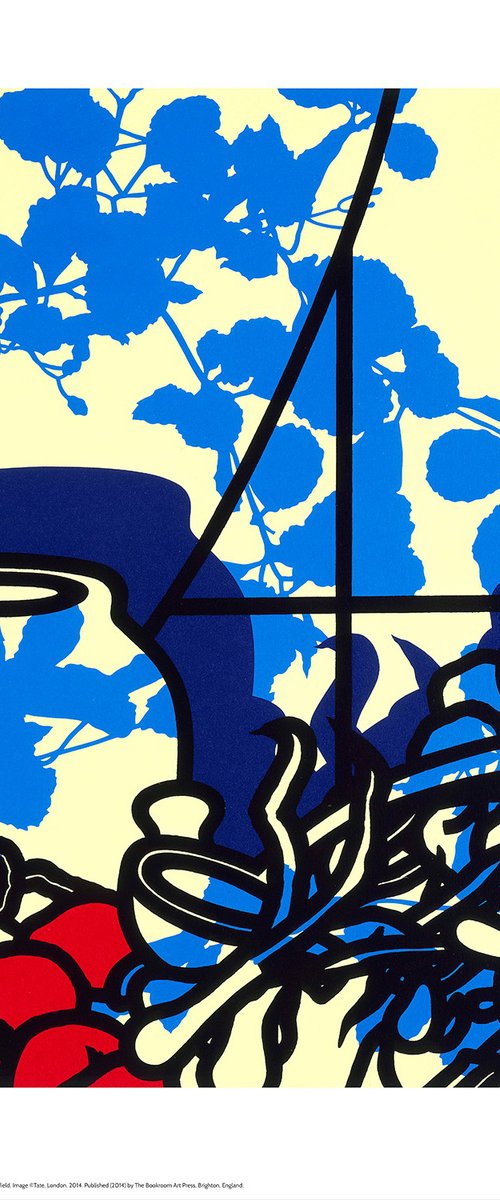
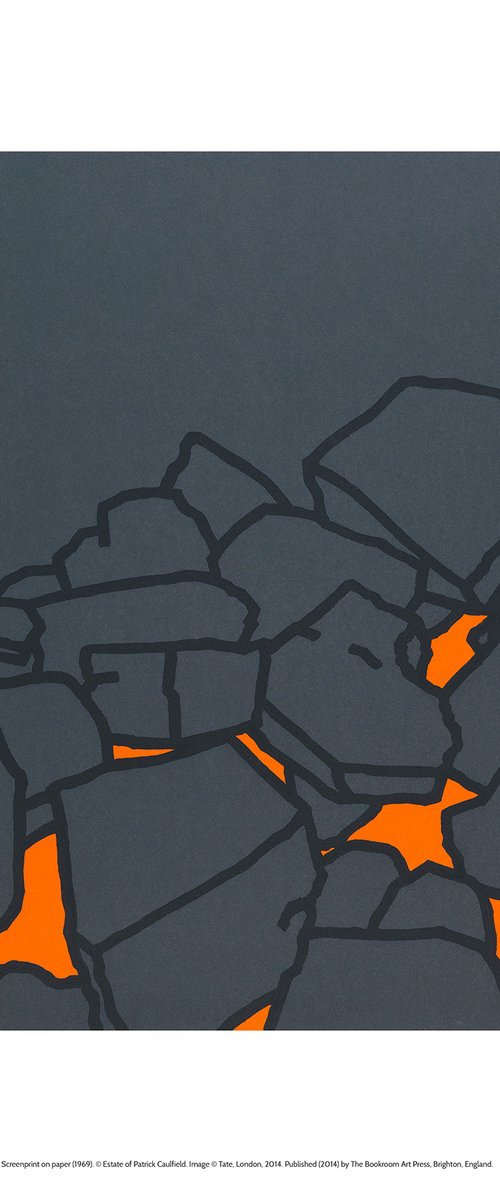
Patrick Caulfield found unexpected poetry and melancholy in everyday things, from a coffee pot to an empty restaurant. Often grouped with British Pop art after he emerged in the 1960s, he preferred to call himself a ‘formal’ artist. Screenprinting was central to his work and he made 113 prints between 1964 and 1999, all of which are now held by Tate.
Artworks by Patrick Caulfield
About Patrick Caulfield
Biography
About Patrick Caulfield
Patrick Caulfield was born in west London in 1936. During national service in the Royal Air Force, he attended evening drawing classes and afterwards studied at Chelsea School of Art from 1956 to 1960. He went on to the Royal College of Art from 1960 to 1963, where his contemporaries included David Hockney and Allen Jones.
In 1964, he was included in the New Generation exhibition at the Whitechapel Gallery, alongside artists including Bridget Riley, which led to his association with Pop art.
Flat colour and quiet interiors
Caulfield drew less on consumer culture than on modern masters such as Georges Braque, Juan Gris and Fernand Léger. His early paintings reduce still lifes and interiors to bold outlines and flat planes of colour, a style that looks simple but is carefully controlled. From the mid-1970s, he began adding passages of detailed realism to his flat compositions; After Lunch, which sets a photographic view inside an otherwise graphic restaurant interior, is an early example.
He was shortlisted for the Turner Prize in 1987, elected a Royal Academician in 1993 and shared the Jerwood Painting Prize in 1995. Tate Britain held a major exhibition of his work in 2013.
A master of the screenprint
Caulfield made his first screenprint, Ruins, in 1964 at Kelpra Studio in London, after Richard Hamilton and the printer, Chris Prater, introduced him to the medium. He worked closely with Prater, producing a full colour study from which the stencils for each screen were cut; screenprinting's flat, even colour suited his style perfectly.
In 1973, he made a limited edition book of screenprints responding to the poems of Jules Laforgue, a 19th century French poet he admired for being both romantic and ironic. Caulfield died in London in 2005.