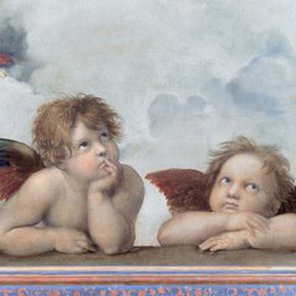
Artworks by Raphael
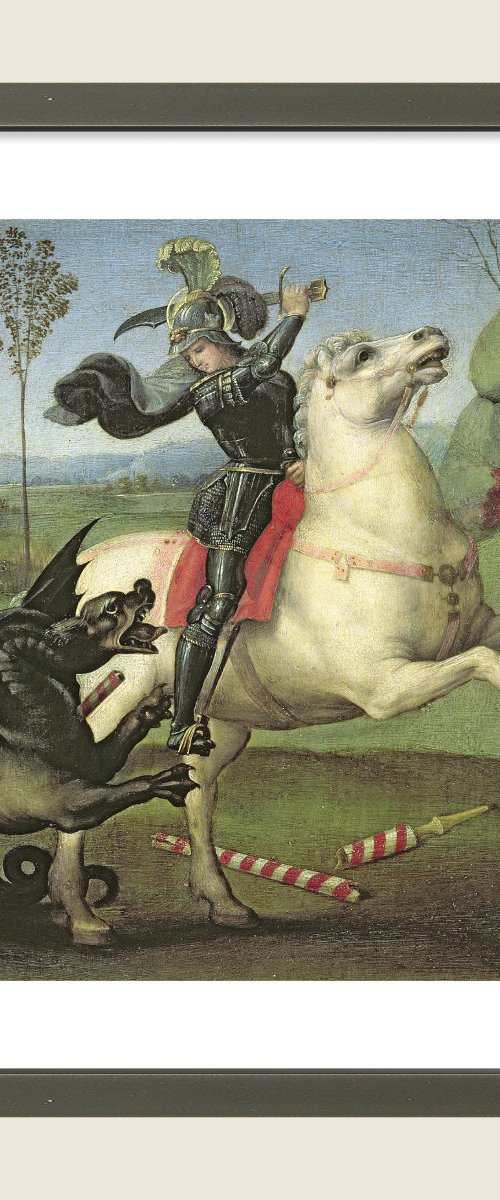
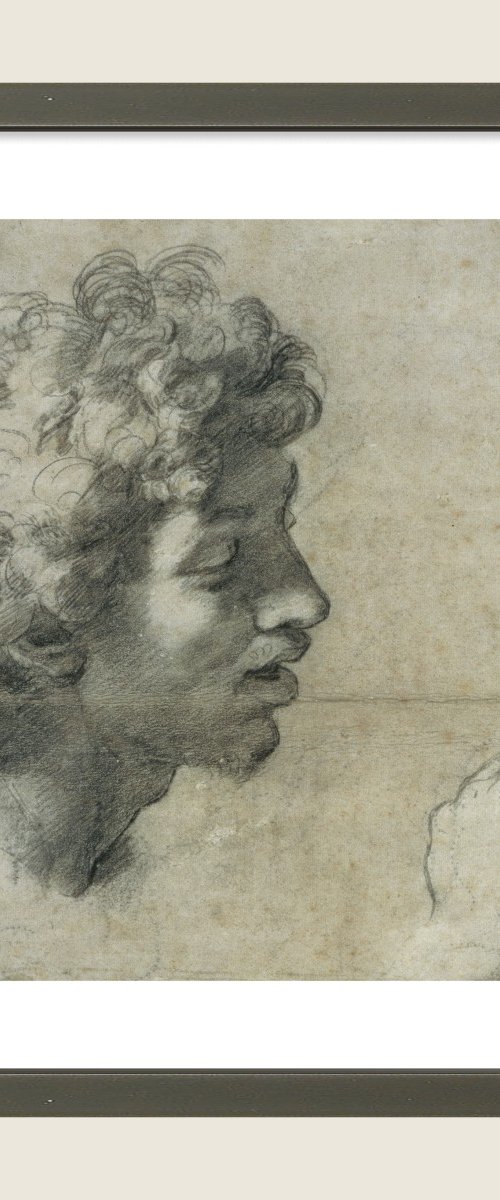
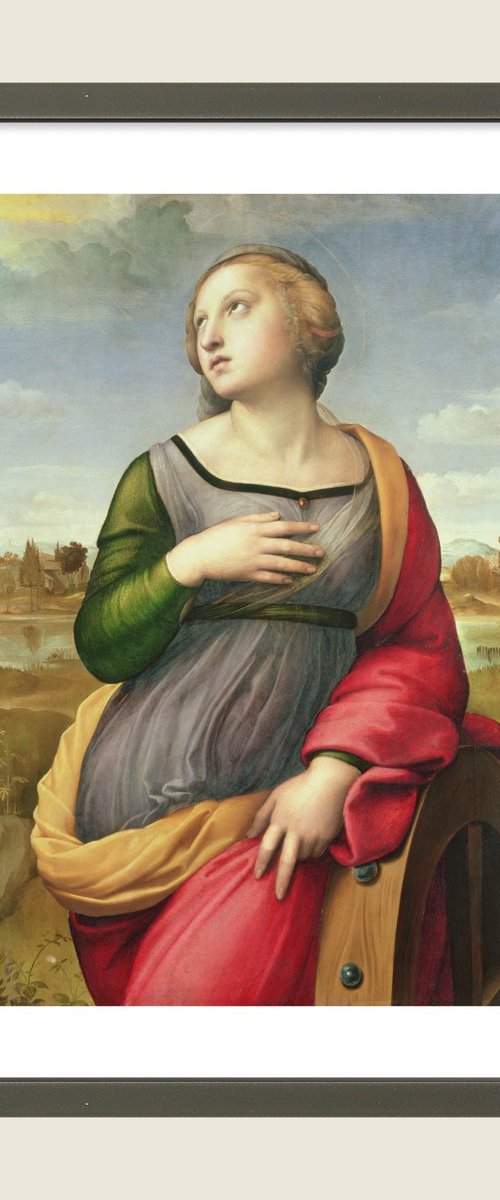
About Raphael
Biography
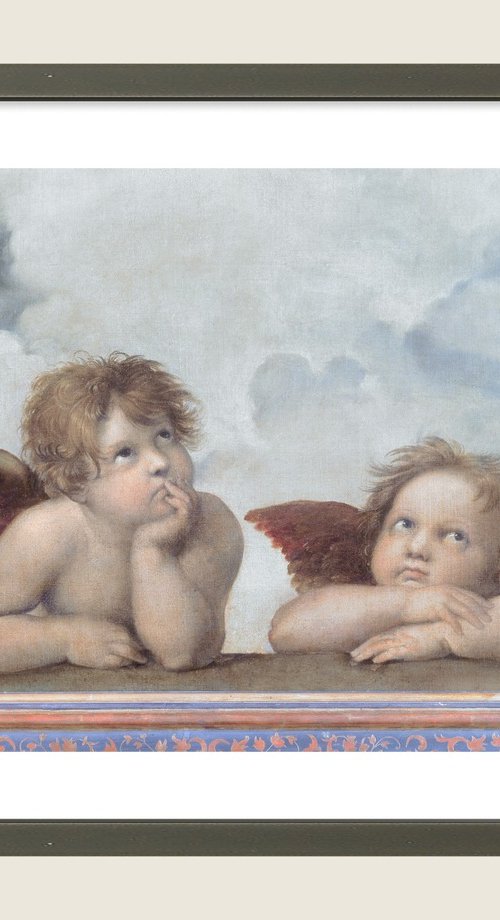
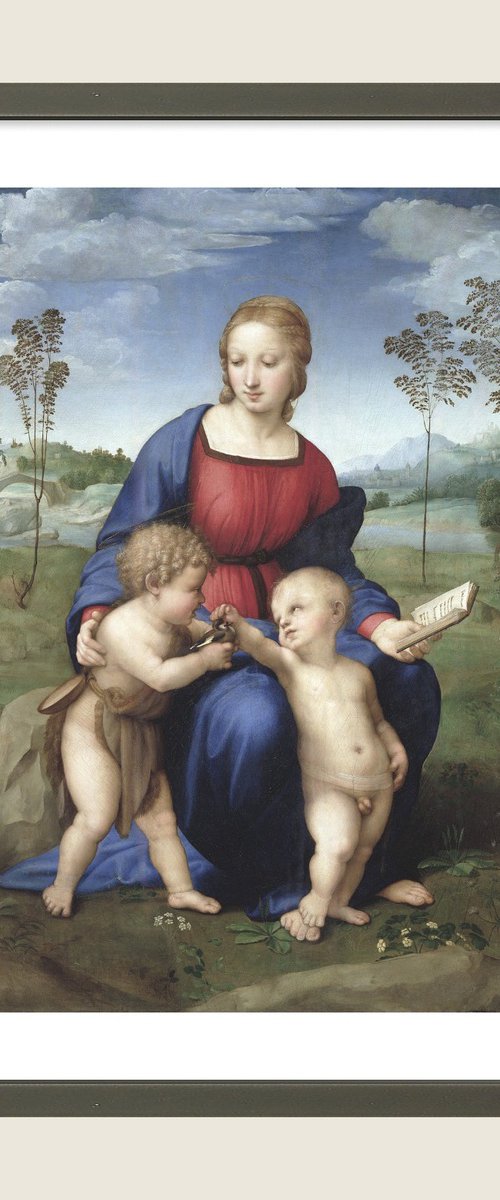
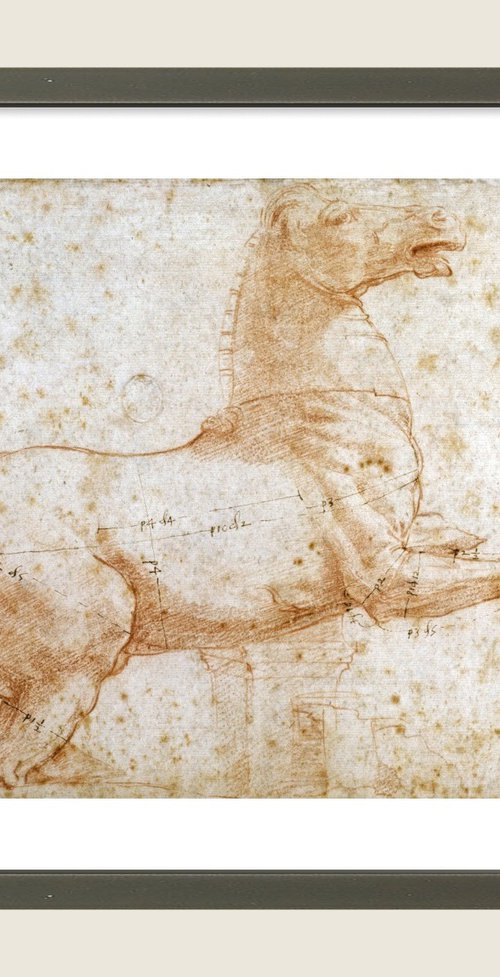
Raphael brought grace, balance and clarity to the High Renaissance. Often grouped with Leonardo da Vinci and Michelangelo as one of the period’s three great masters, he’s admired for his serene Madonnas, harmonious compositions and the vast frescoes he painted in the Vatican.
He died in 1520 at just 37, yet his work defined ideas of classical beauty in European art for centuries.
A print brings Raphael’s grace and balance out of the great collections and into your home — a piece of the High Renaissance to enjoy every day.
Raffaello Sanzio was born in Urbino in 1483, the son of Giovanni Santi, court painter in Urbino. He probably trained with the painter Pietro Perugino, whose calm, balanced style shaped early works such as The Marriage of the Virgin. He went on to absorb Leonardo’s pyramid shaped compositions and soft modelling.
In 1508, Raphael moved to Rome to decorate a series of rooms in the papal apartments, now known as the Raphael Rooms. The School of Athens, in the Stanza della Segnatura, gathers the philosophers of ancient Greece in a vast, imagined hall. He also painted The Triumph of Galatea for the Villa Farnesina and designed ten tapestry cartoons for the Sistine Chapel, seven of which still survive. In 1514, he was appointed architect of St Peter’s Basilica.
Outside Rome, Raphael’s work became known mainly through printmaking; he worked with engravers to reproduce his designs, spreading his compositions across Europe. He died in Rome in 1520, with The Transfiguration being his final painting. His influence ran through the Neoclassical painters and the Nazarenes, while the Pre-Raphaelite Brotherhood defined itself in reaction against him.
He died in 1520 at just 37, yet his work defined ideas of classical beauty in European art for centuries.
A print brings Raphael’s grace and balance out of the great collections and into your home — a piece of the High Renaissance to enjoy every day.
Raphael artwork for sale
About Raphael
Raffaello Sanzio was born in Urbino in 1483, the son of Giovanni Santi, court painter in Urbino. He probably trained with the painter Pietro Perugino, whose calm, balanced style shaped early works such as The Marriage of the Virgin. He went on to absorb Leonardo’s pyramid shaped compositions and soft modelling.
The Vatican rooms
In 1508, Raphael moved to Rome to decorate a series of rooms in the papal apartments, now known as the Raphael Rooms. The School of Athens, in the Stanza della Segnatura, gathers the philosophers of ancient Greece in a vast, imagined hall. He also painted The Triumph of Galatea for the Villa Farnesina and designed ten tapestry cartoons for the Sistine Chapel, seven of which still survive. In 1514, he was appointed architect of St Peter’s Basilica.
Prints and a lasting influence
Outside Rome, Raphael’s work became known mainly through printmaking; he worked with engravers to reproduce his designs, spreading his compositions across Europe. He died in Rome in 1520, with The Transfiguration being his final painting. His influence ran through the Neoclassical painters and the Nazarenes, while the Pre-Raphaelite Brotherhood defined itself in reaction against him.