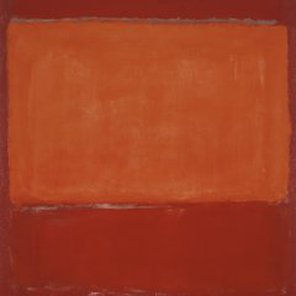
Artworks by Mark Rothko
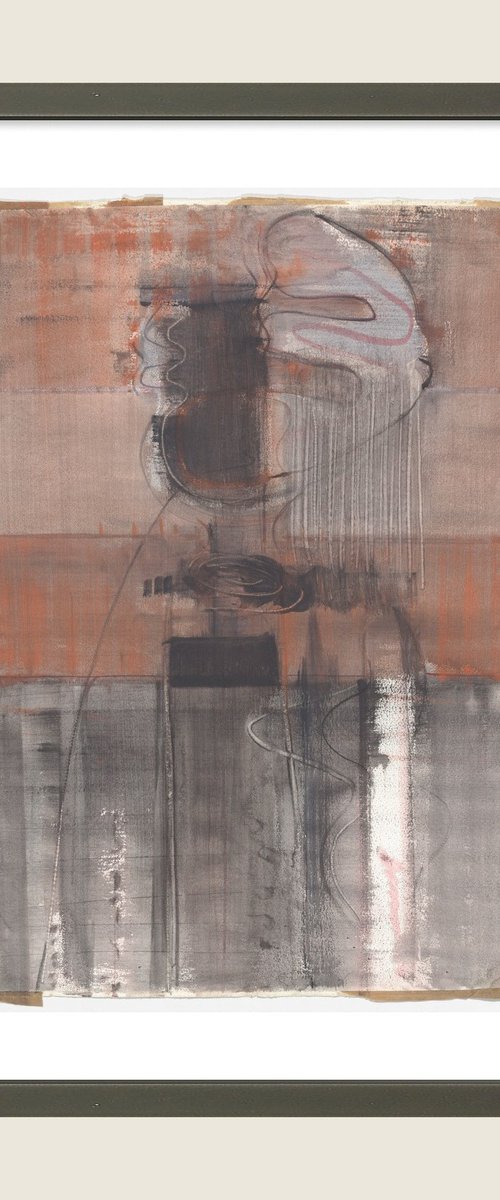
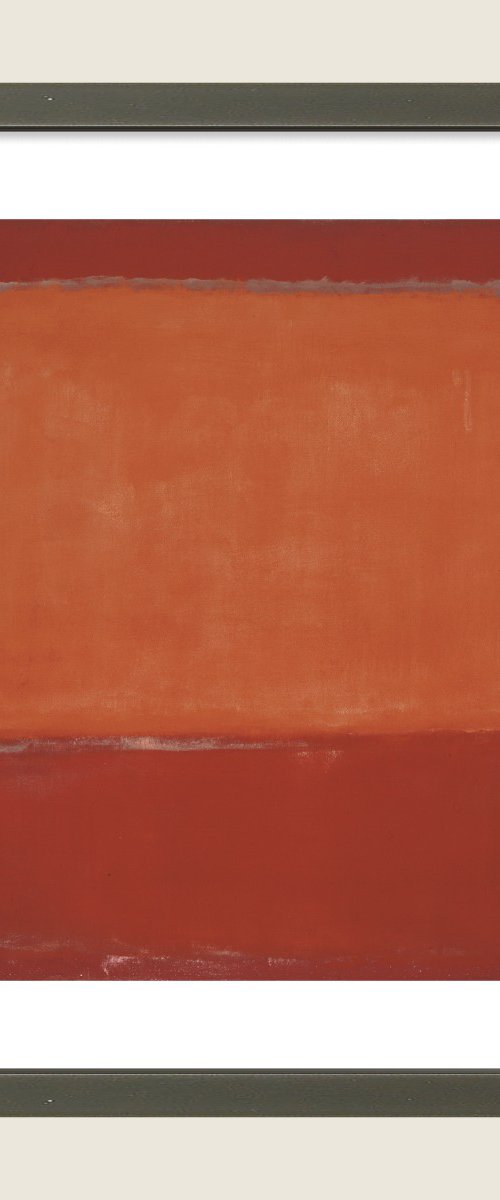
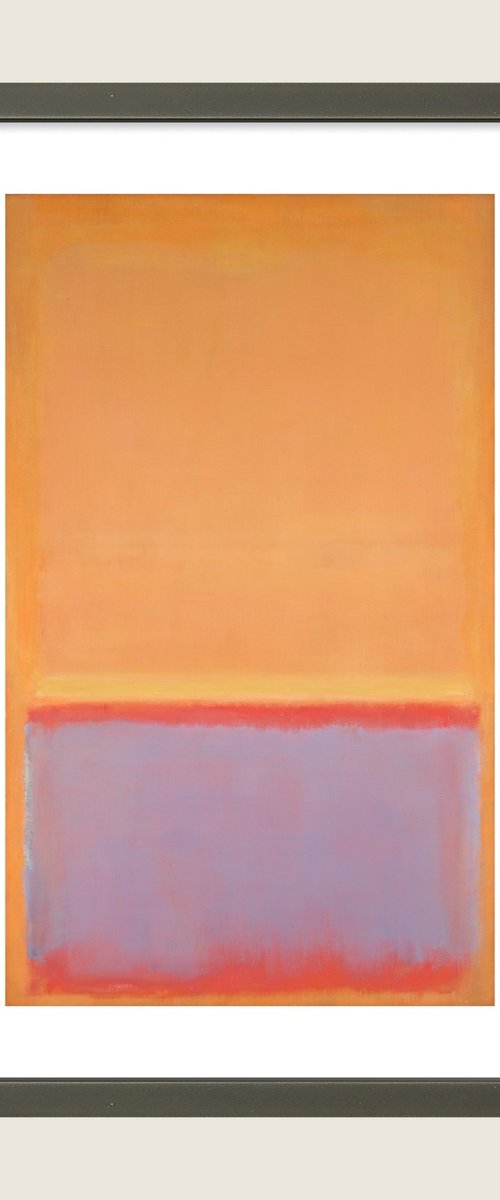
About Mark Rothko
Biography
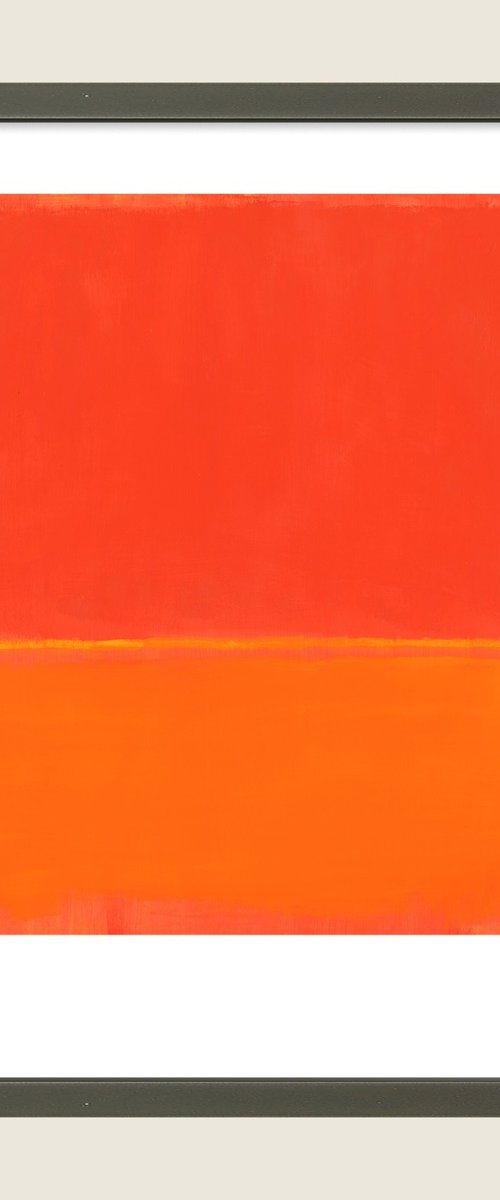
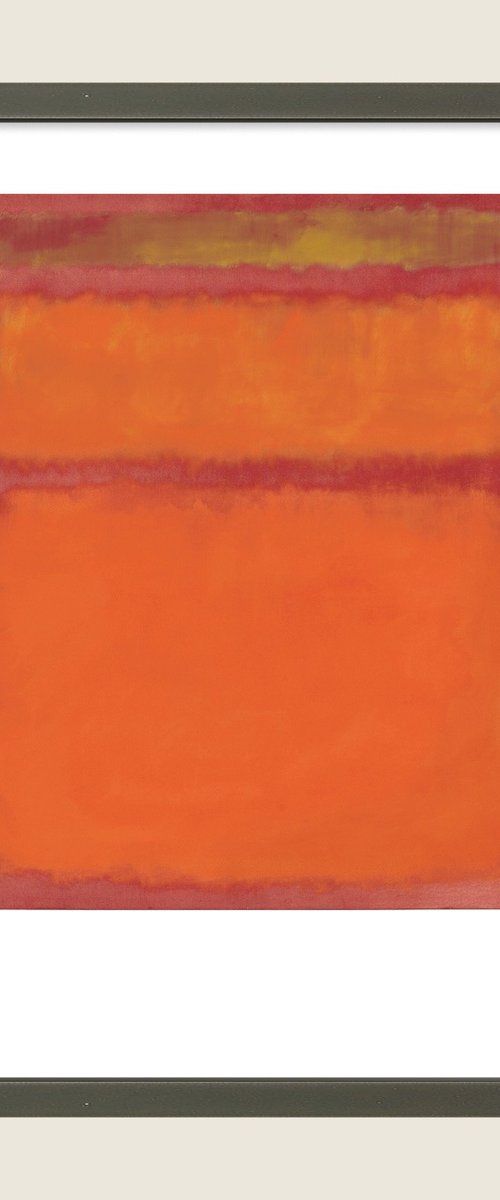
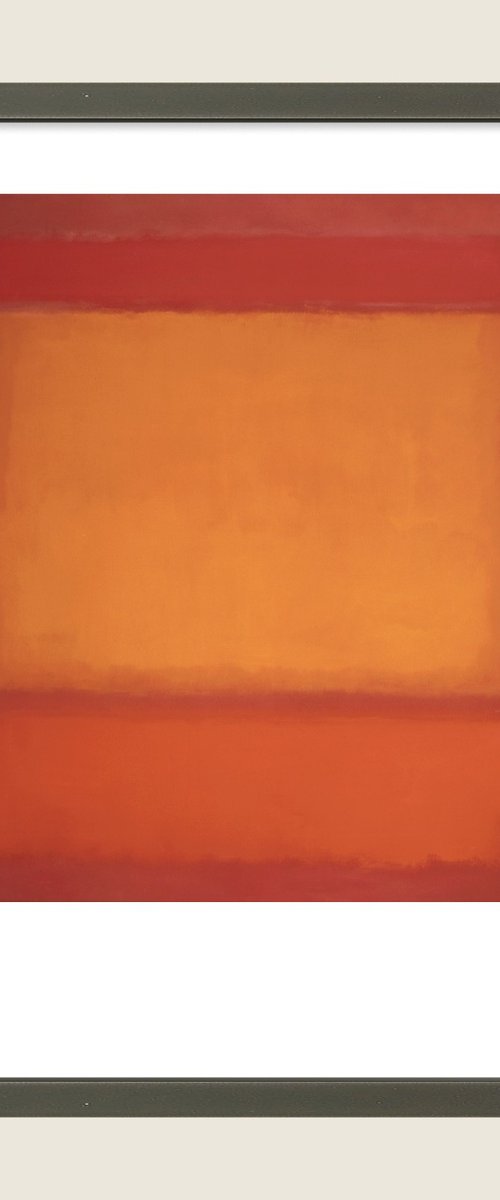
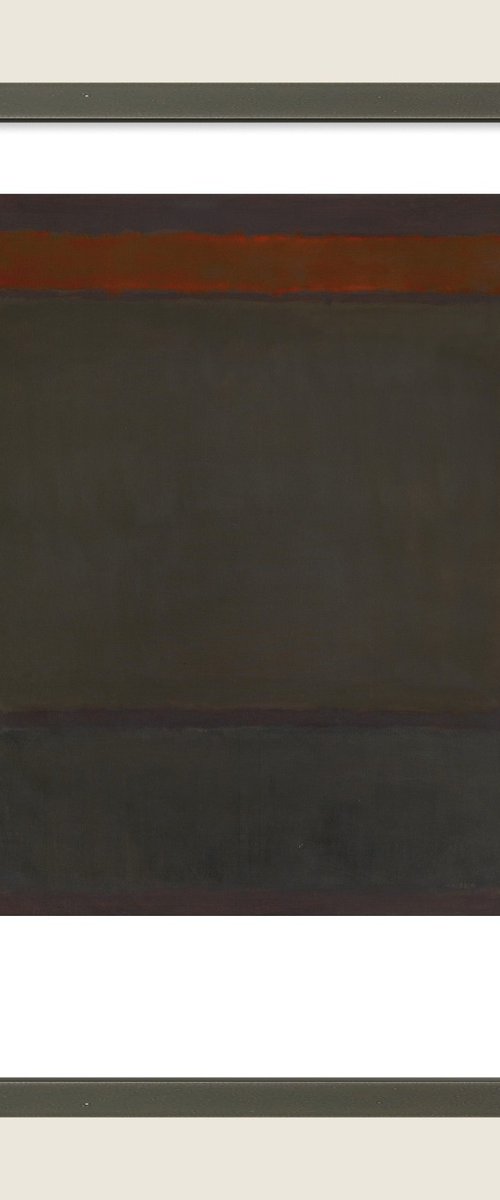
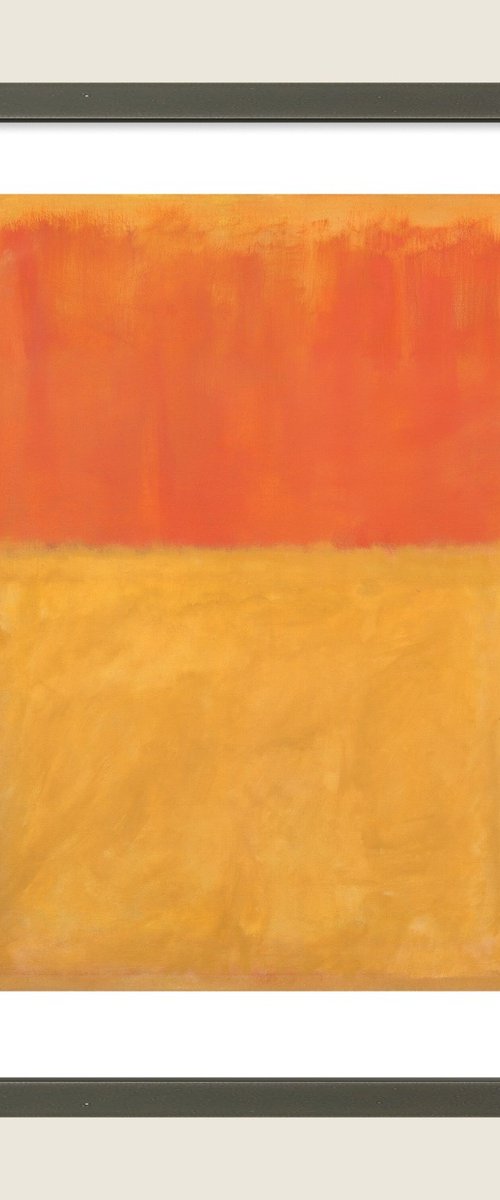
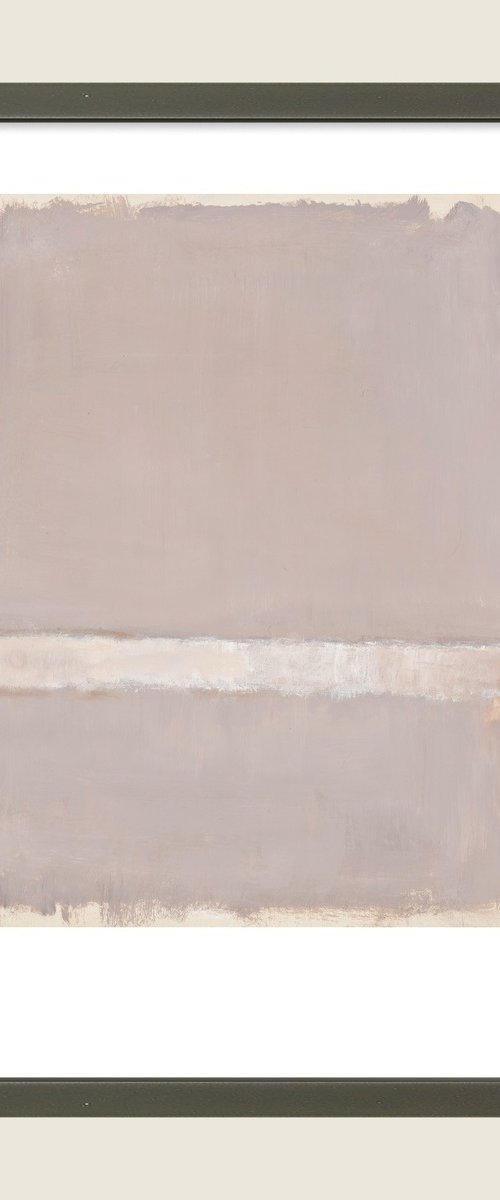
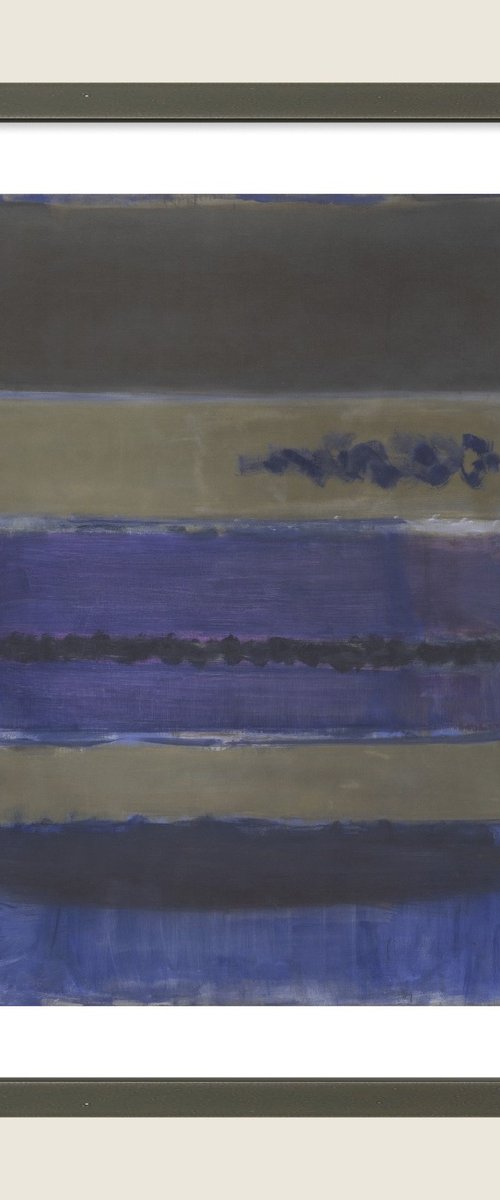
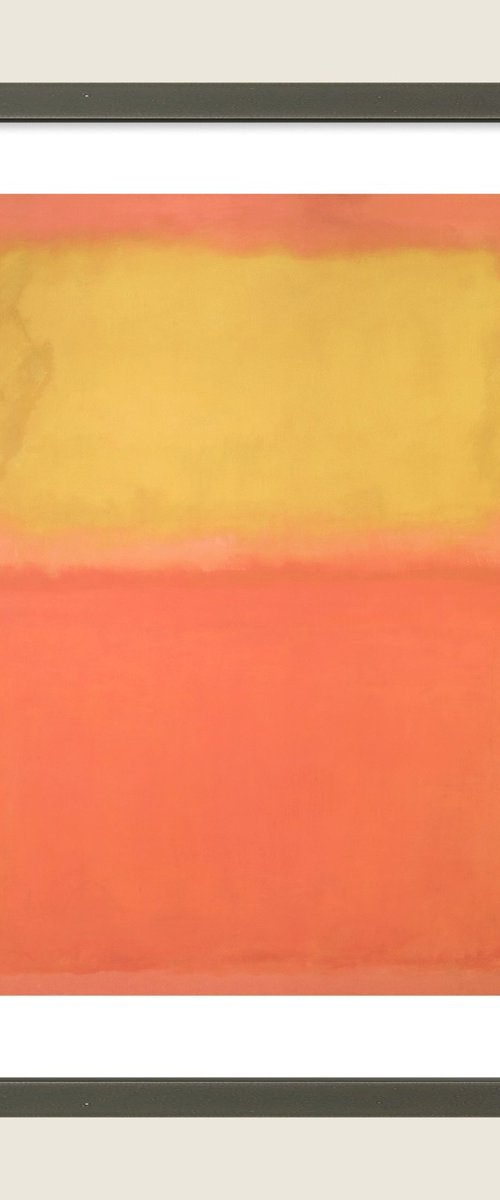
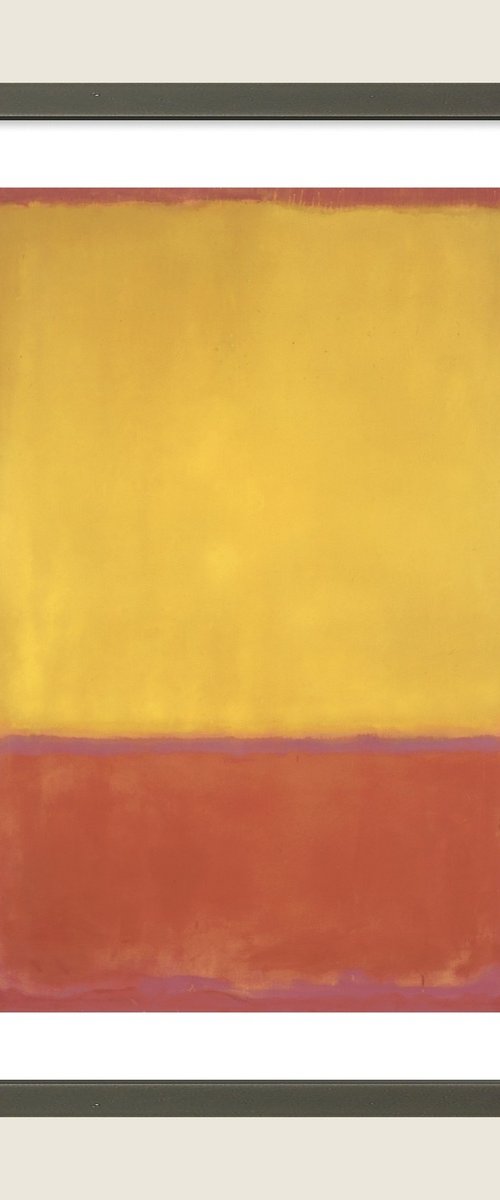
Mark Rothko is known for his soft-edged blocks of colour that seem to hover and glow, drawing viewers in to be absorbed. Though often grouped with Abstract Expressionism and colour field painting, he did not subscribe to any single school.
He suggested viewing his large canvases from close up (around 18 inches away) and his final major project, the Rothko Chapel in Houston, surrounds visitors with 14 paintings.
A print of Rothko’s paintings brings his glowing fields of colour into your own space — a piece of postwar American art to live with and return to.
Rothko was born Markus Rothkowitz in 1903 in Dvinsk (now Daugavpils, Latvia) and grew up in Portland, Oregon. He won a scholarship to Yale but left after two years. Largely self-taught as a painter, he studied briefly at the Art Students League in New York under Max Weber, and was strongly influenced by the painter Milton Avery.
In the 1940s Rothko painted mythological subjects, shaped by his reading of Nietzsche, Freud and Jung. Around 1946-48, he began making ‘multiforms’ - loose patches of colour with no recognisable subject - which evolved into his signature format of stacked, soft-edged rectangles on large canvases. Rothko moved away from descriptive titles, often leaving paintings untitled or identifying them by number or colour.
In the late 1950s Rothko was commissioned to paint murals for New York’s Seagram Building. He withdrew from the project, returned the fee and later Rothko gave nine of the Seagram murals to Tate. Between 1964 and 1967, he painted 14 large canvases for a chapel in Houston founded by John and Dominique de Menil. Rothko died by suicide in New York in 1970 and did not live to see the Rothko Chapel completed in 1971.
He suggested viewing his large canvases from close up (around 18 inches away) and his final major project, the Rothko Chapel in Houston, surrounds visitors with 14 paintings.
A print of Rothko’s paintings brings his glowing fields of colour into your own space — a piece of postwar American art to live with and return to.
Mark Rothko artwork for sale
About Mark Rothko
Rothko was born Markus Rothkowitz in 1903 in Dvinsk (now Daugavpils, Latvia) and grew up in Portland, Oregon. He won a scholarship to Yale but left after two years. Largely self-taught as a painter, he studied briefly at the Art Students League in New York under Max Weber, and was strongly influenced by the painter Milton Avery.
From myth to multiform
In the 1940s Rothko painted mythological subjects, shaped by his reading of Nietzsche, Freud and Jung. Around 1946-48, he began making ‘multiforms’ - loose patches of colour with no recognisable subject - which evolved into his signature format of stacked, soft-edged rectangles on large canvases. Rothko moved away from descriptive titles, often leaving paintings untitled or identifying them by number or colour.
The Seagram murals and the chapel
In the late 1950s Rothko was commissioned to paint murals for New York’s Seagram Building. He withdrew from the project, returned the fee and later Rothko gave nine of the Seagram murals to Tate. Between 1964 and 1967, he painted 14 large canvases for a chapel in Houston founded by John and Dominique de Menil. Rothko died by suicide in New York in 1970 and did not live to see the Rothko Chapel completed in 1971.