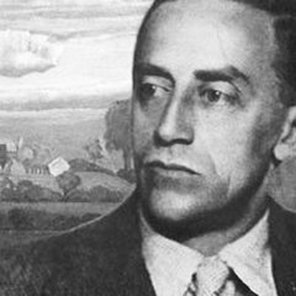
John Nash had no formal art training, yet became a much-admired painter of the English landscape. Encouraged by his older brother, Paul Nash, he painted fields, woods and rivers with a quiet, observant eye and was equally skilled as a wood engraver and botanical illustrator.
He's best known for Over the Top, a painting of an attack on the Western Front that he survived, now shown in the Imperial War Museum.
He's best known for Over the Top, a painting of an attack on the Western Front that he survived, now shown in the Imperial War Museum.
Summary
John Nash had no formal art training, yet became a much-admired painter of the English landscape. Encouraged by his older brother, Paul Nash, he painted fields, woods and rivers with a quiet, observant eye and was equally skilled as a wood engraver and botanical illustrator.
He's best known for Over the Top, a painting of an attack on the Western Front that he survived, now shown in the Imperial War Museum.
He's best known for Over the Top, a painting of an attack on the Western Front that he survived, now shown in the Imperial War Museum.
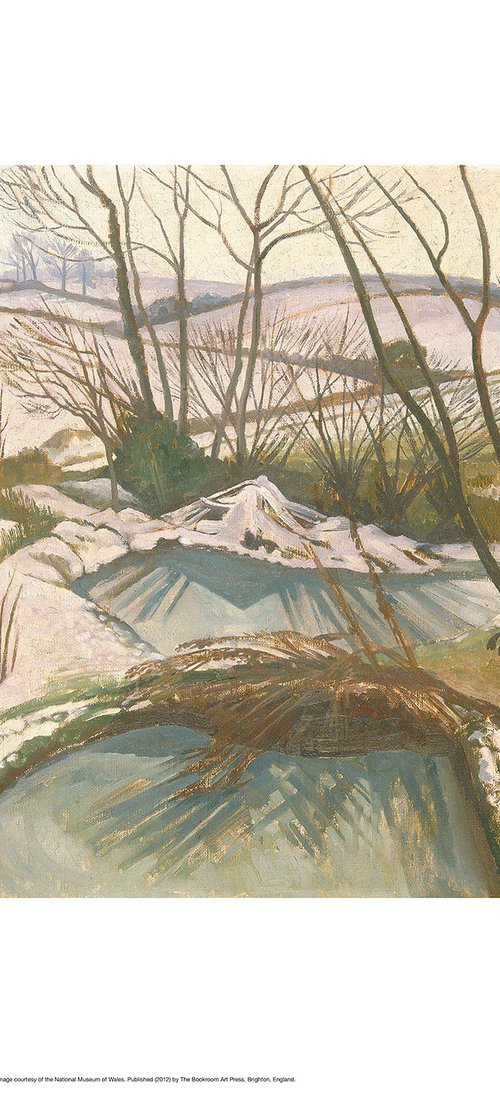
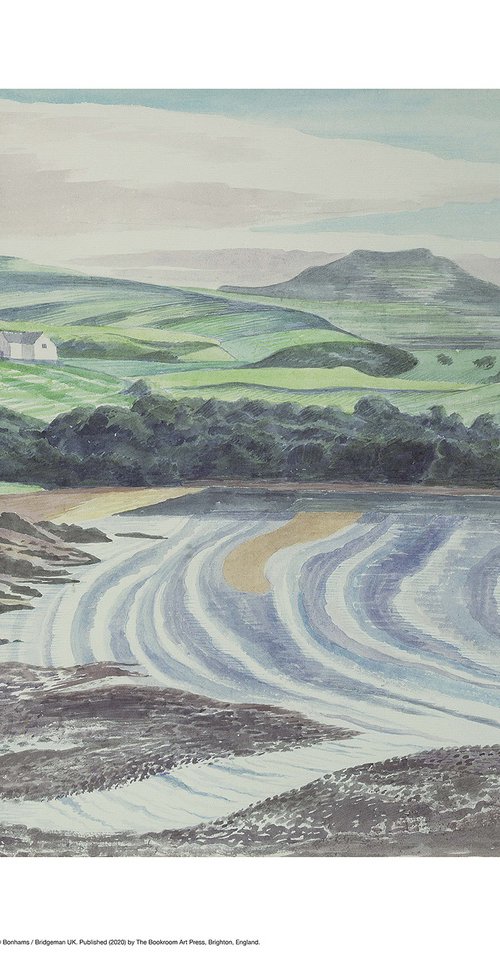
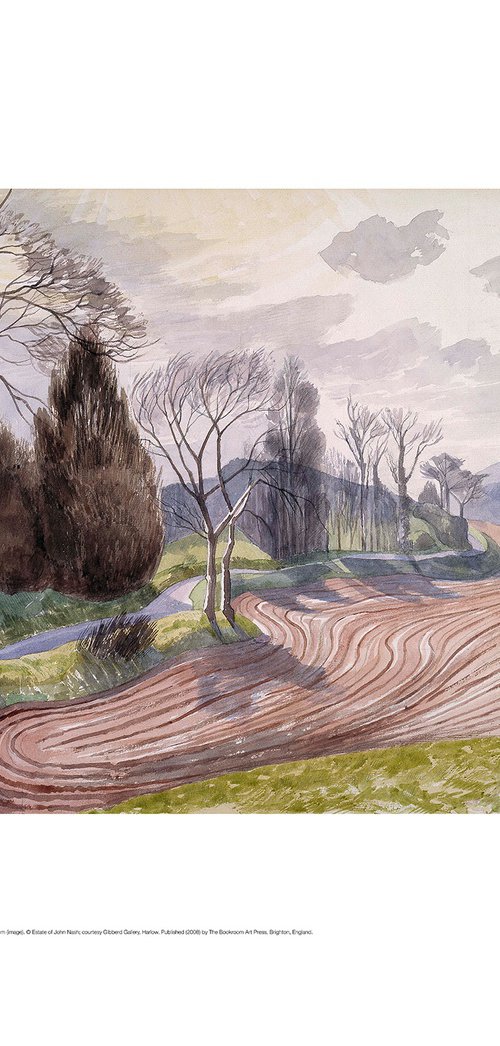
Artworks by John Nash
About John Nash
Biography
About John Nash
John Northcote Nash was born in London in 1893 and grew up in Buckinghamshire, where the Chiltern countryside and the family garden sparked a lifelong interest in plants. He worked briefly as a local journalist before turning to art in his late teens. In 1913, he and his brother, Paul, held a joint exhibition in London.
War and the English landscape
During the First World War, Nash served with the Artists' Rifles on the Western Front, when in 1918 he was appointed an official war artist. Over the Top recalls an attack at Marcoing in December 1917. The attack left 68 of the unit's 80 men killed or wounded; Nash was among the 12 who escaped unharmed.
After the war, he settled into a steady, less dramatic artistic style than his brother's, painting English landscapes in oil and watercolour. The Cornfield is often counted among his finest works. He taught at the Ruskin School of Drawing in Oxford from 1924 to 1929 and later at the Royal College of Art. In the Second World War, he again served as an official war artist, this time attached to the Admiralty.
Engraving and botanical illustration
Nash was a founder member of the Society of Wood Engravers in 1920. He produced wood engravings for literary magazines and then for private press books, including Jonathan Swift's Directions to Servants and Edmund Spenser's The Shepheard's Calendar. His botanical work combined precise observation with a strong sense of design, notably in his illustrations for Wild Flowers in Britain.
From 1944, he lived at Wormingford in Essex, where he painted the surrounding countryside and helped found the Colchester Art Society. He was elected a Royal Academician and died in 1977.