Main Navigation
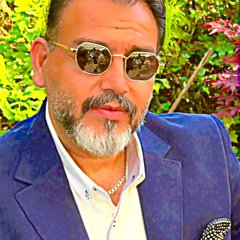
About Hussain Habeeb
Biography
I make art to document tension.
The tension between movement and stillness.
Between memory and evidence.
Between what people show and what they hide.
I did not arrive at art through academics or trend. I arrived through observation. I became obsessed with details most people ignore. The way light changes a face for half a second. The silence inside empty streets after rain. The geometry of buildings against human emotion. I started creating because words stopped being enough.
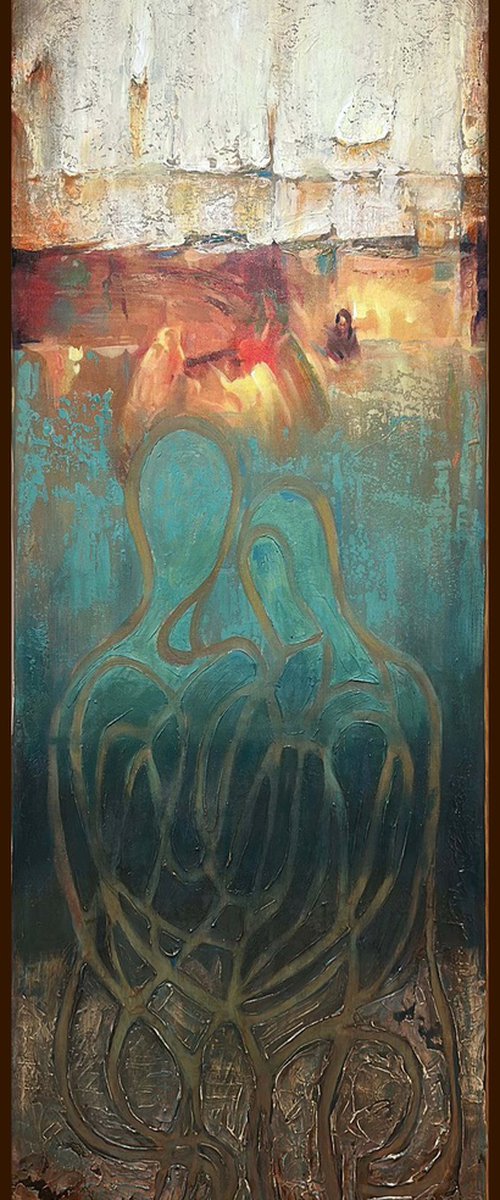
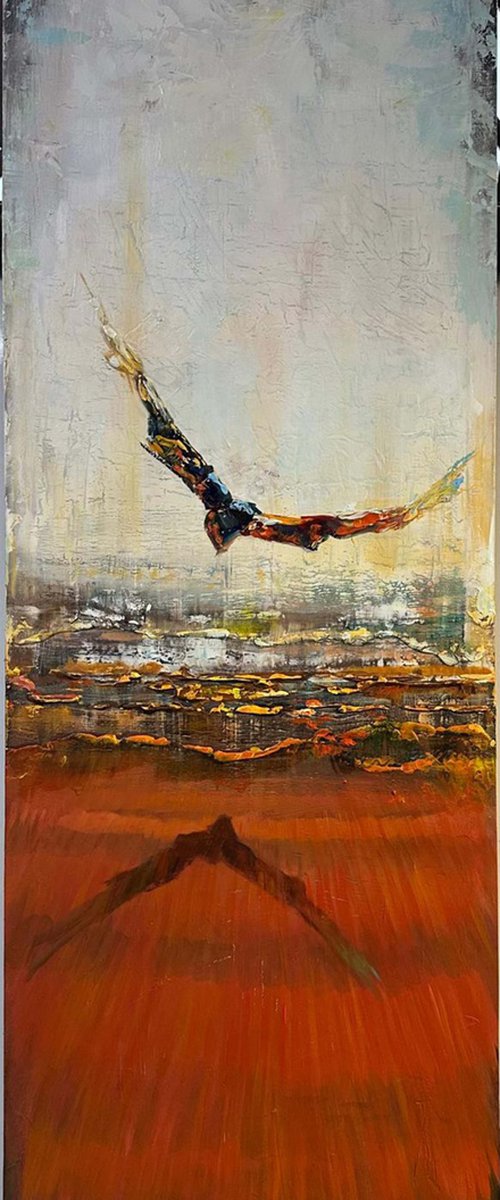
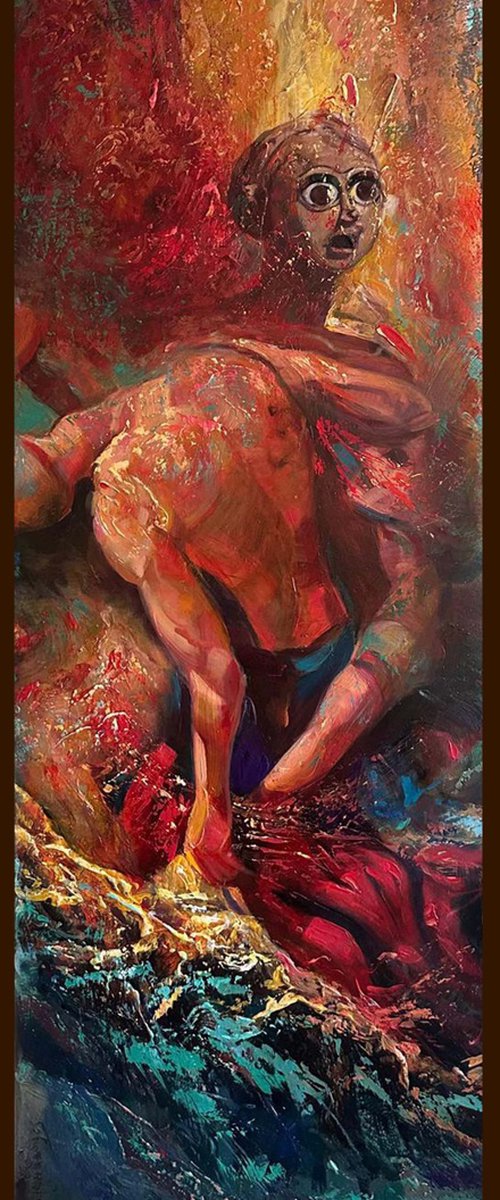
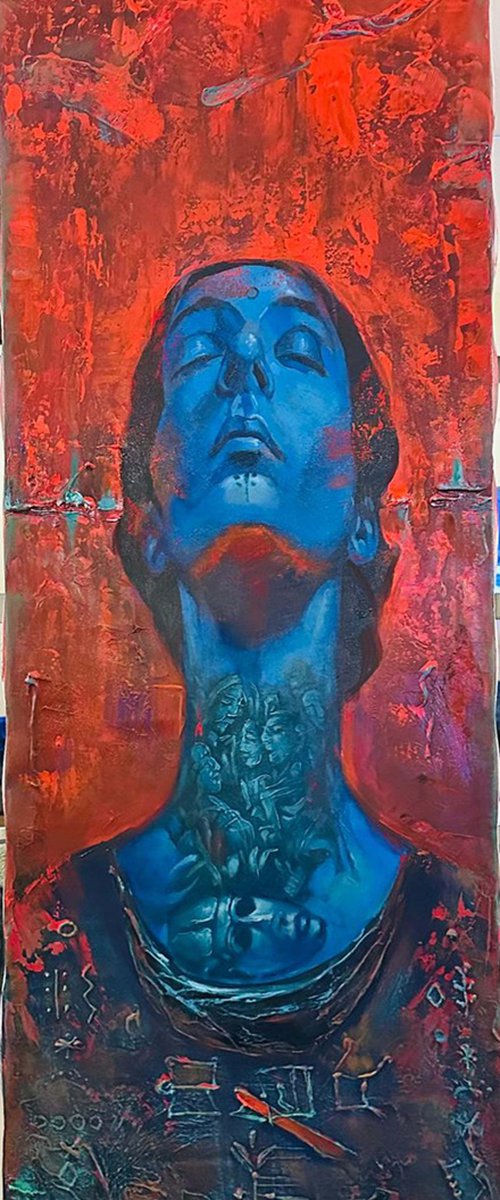
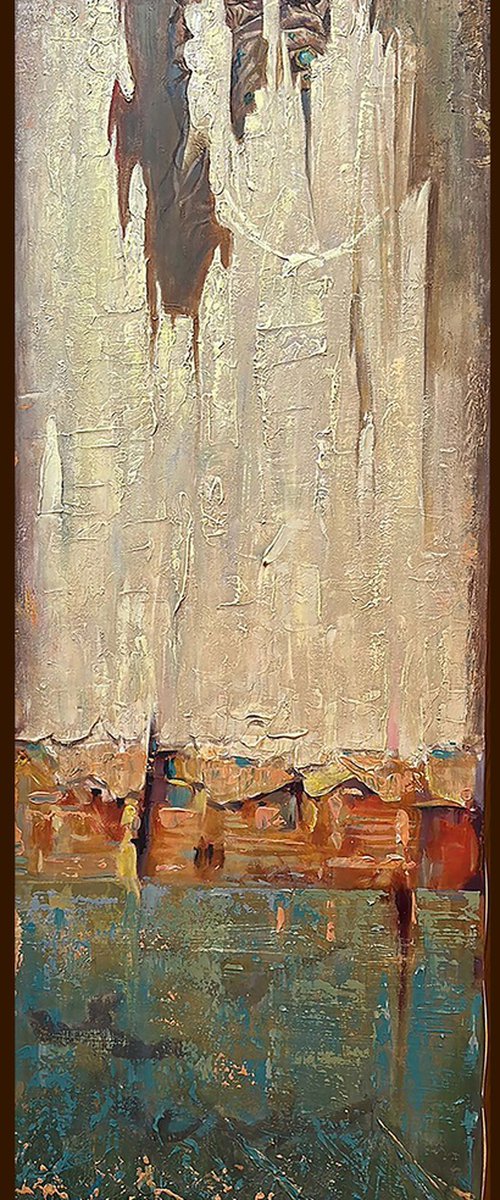
My work sits between realism and atmosphere. I use texture, contrast, distortion, and composition to create emotional weight. I want people to feel something before they fully understand what they are looking at. Sometimes discomfort. Sometimes recognition. Sometimes calm.
I am influenced by cinema, architecture, street life, old photographs, and human behavior. I spend a lot of time watching people move through cities. Cities are honest. They expose ambition, loneliness, exhaustion, wealth, noise, isolation, and beauty all at once. That energy enters my work.
What makes my art different is the way I approach storytelling. I do not create decorative pieces first. I create emotional environments. Every piece begins with a question.
What does isolation look like in a crowded place?
What shape does memory take after time damages it?
How much of identity is performance?
I build around those questions visually.
My process is layered and deliberate. I often start with fragments. Photographs. Sketches. Written thoughts. Architectural lines. Damaged textures. Then I reconstruct them into something that feels both familiar and distant. I like work that feels lived in. Imperfect surfaces matter to me because people are imperfect.
Art has also become a way for me to understand myself. It forces honesty. You cannot hide inside good work. The strongest pieces usually come from moments where I stopped trying to impress people and started trying to tell the truth visually.
I want to join Artfinder because it feels human. The platform values independent artists and personal stories instead of mass production. That matters to me. I want collectors to connect not only with the final image but with the intention behind it. I believe people are searching for work that carries identity and emotional presence. That is what I try to create every time.
My goal is not simply to sell art.
My goal is to make work that stays with people after they leave the room.
Biography
I make art to document tension.
The tension between movement and stillness.
Between memory and evidence.
Between what people show and what they hide.
I did not arrive at art through academics or trend. I arrived through observation. I became obsessed with details most people ignore. The way light changes a face for half a second. The silence inside empty streets after rain. The geometry of buildings against human emotion. I started creating because words stopped being enough.
My work sits between realism and atmosphere. I use texture, contrast, distortion, and composition to create emotional weight. I want people to feel something before they fully understand what they are looking at. Sometimes discomfort. Sometimes recognition. Sometimes calm.
I am influenced by cinema, architecture, street life, old photographs, and human behavior. I spend a lot of time watching people move through cities. Cities are honest. They expose ambition, loneliness, exhaustion, wealth, noise, isolation, and beauty all at once. That energy enters my work.
What makes my art different is the way I approach storytelling. I do not create decorative pieces first. I create emotional environments. Every piece begins with a question.
What does isolation look like in a crowded place?
What shape does memory take after time damages it?
How much of identity is performance?
I build around those questions visually.
My process is layered and deliberate. I often start with fragments. Photographs. Sketches. Written thoughts. Architectural lines. Damaged textures. Then I reconstruct them into something that feels both familiar and distant. I like work that feels lived in. Imperfect surfaces matter to me because people are imperfect.
Art has also become a way for me to understand myself. It forces honesty. You cannot hide inside good work. The strongest pieces usually come from moments where I stopped trying to impress people and started trying to tell the truth visually.
I want to join Artfinder because it feels human. The platform values independent artists and personal stories instead of mass production. That matters to me. I want collectors to connect not only with the final image but with the intention behind it. I believe people are searching for work that carries identity and emotional presence. That is what I try to create every time.
My goal is not simply to sell art.
My goal is to make work that stays with people after they leave the room.
There are no upcoming events
Events
There are no upcoming events