
Artworks by Edward Hopper


About Edward Hopper
Biography
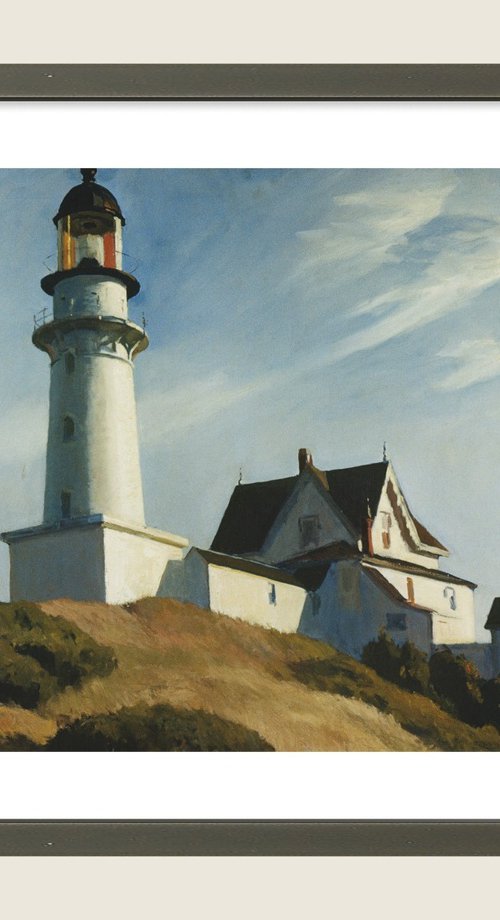
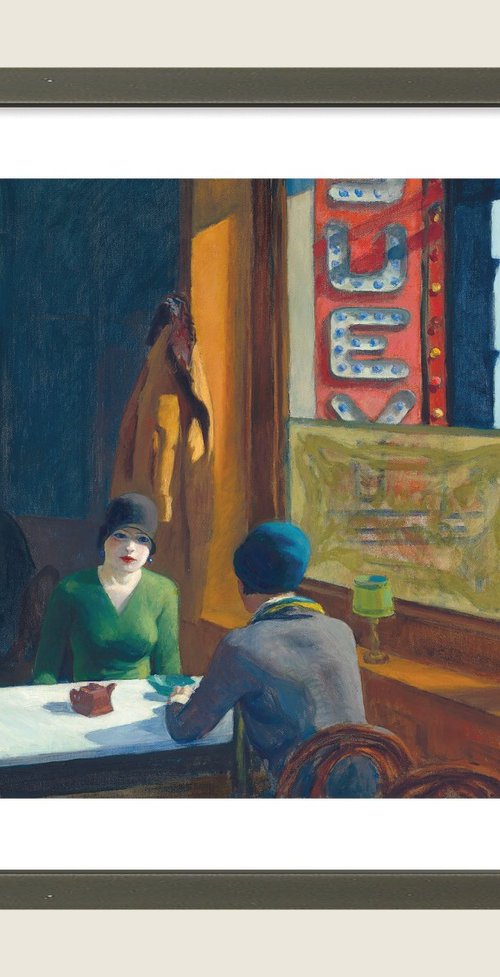
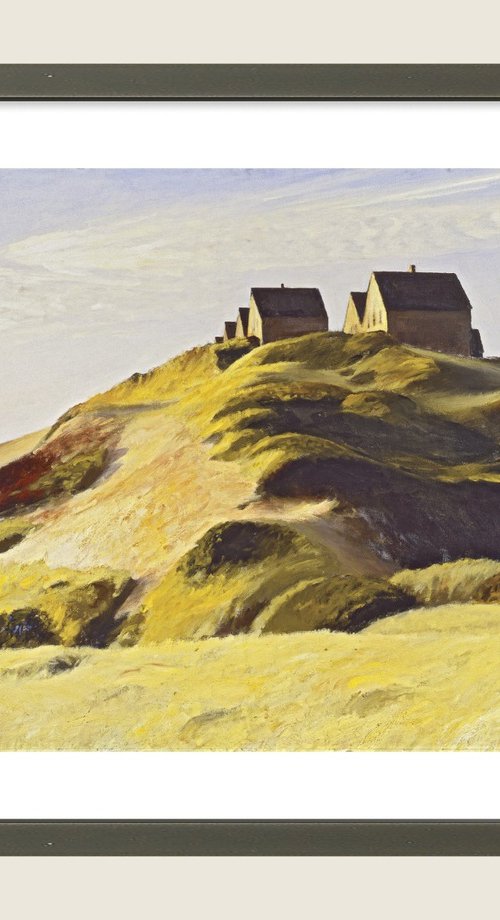
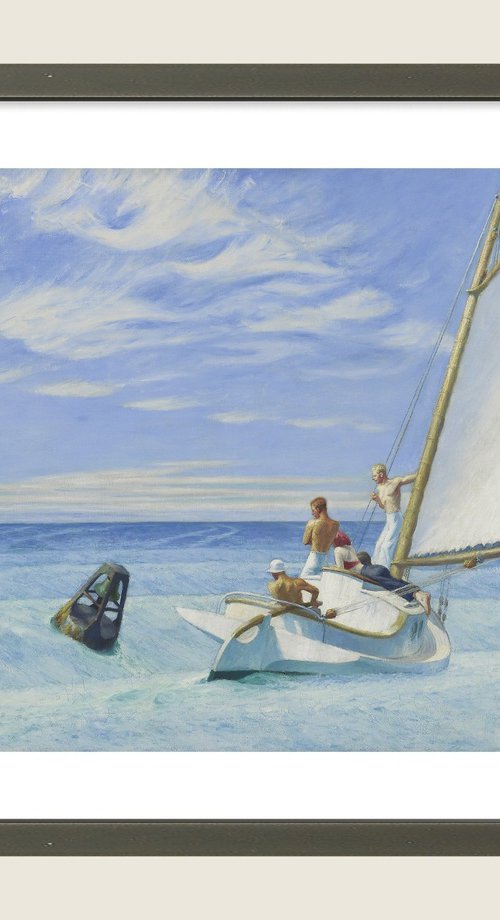
Edward Hopper painted the loneliness of modern America: an all-night diner seen through plate glass, an usherette lost in thought at the cinema, a row of shuttered shops on a Sunday morning.
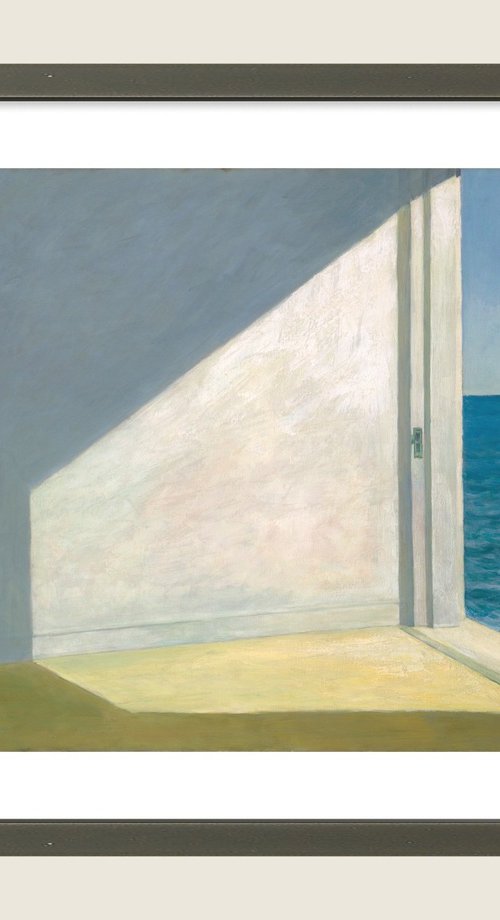
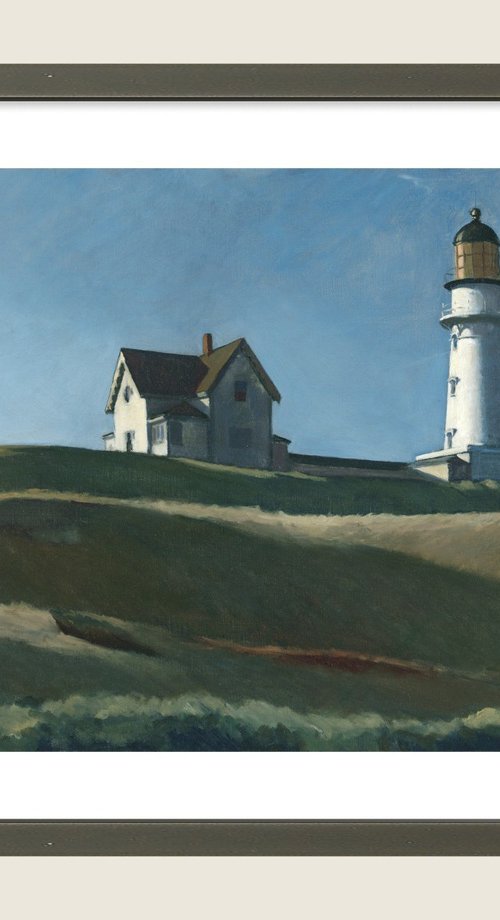
Using strong light and shadow to build mood, he turned ordinary streets, offices and hotel rooms into scenes that feel like stills from an untold story. Nighthawks, now in the Art Institute of Chicago, is one of the best known images in American art.
A print of Hopper’s paintings brings his quiet, sunlit scenes of American life into your home — a piece of 20th-century history to sit with.
Hopper was born in 1882 in New York. He studied for six years at the New York School of Art under William Merritt Chase and Robert Henri, and made three trips to Paris, where he mostly worked alone. His early admiration for Manet and Edgar Degas shaped his interest in modern city life.
Success came slowly. Hopper showed at the 1913 Armory Show, but it was printmaking that first earned him recognition. From 1915 he turned to etching, making most of his etchings by 1923; prints such as Night on the El Train already show the urban isolation of his later paintings.
From the mid-1920s, Hopper developed the style he’s known for. House by the Railroad, Early Sunday Morning and New York Movie use raking light and empty space to suggest stillness and isolation. His wife, the painter Josephine Nivison, often modeled for his figures.
Hopper exhibited in the very first Whitney Biennial in 1932 and subsequently showed in 29 Biennials right up until 1965. Following his death in New York in 1967, Josephine left more than 2,500 of his works to the Whitney Museum of American Art.
Using strong light and shadow to build mood, he turned ordinary streets, offices and hotel rooms into scenes that feel like stills from an untold story. Nighthawks, now in the Art Institute of Chicago, is one of the best known images in American art.
A print of Hopper’s paintings brings his quiet, sunlit scenes of American life into your home — a piece of 20th-century history to sit with.
Edward Hopper artwork for sale
About Edward Hopper
Hopper was born in 1882 in New York. He studied for six years at the New York School of Art under William Merritt Chase and Robert Henri, and made three trips to Paris, where he mostly worked alone. His early admiration for Manet and Edgar Degas shaped his interest in modern city life.
Etchings and a slow breakthrough
Success came slowly. Hopper showed at the 1913 Armory Show, but it was printmaking that first earned him recognition. From 1915 he turned to etching, making most of his etchings by 1923; prints such as Night on the El Train already show the urban isolation of his later paintings.
Light, shadow and solitude
From the mid-1920s, Hopper developed the style he’s known for. House by the Railroad, Early Sunday Morning and New York Movie use raking light and empty space to suggest stillness and isolation. His wife, the painter Josephine Nivison, often modeled for his figures.
Hopper exhibited in the very first Whitney Biennial in 1932 and subsequently showed in 29 Biennials right up until 1965. Following his death in New York in 1967, Josephine left more than 2,500 of his works to the Whitney Museum of American Art.