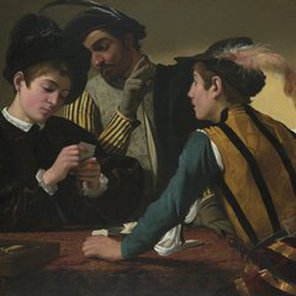
Artworks by Caravaggio
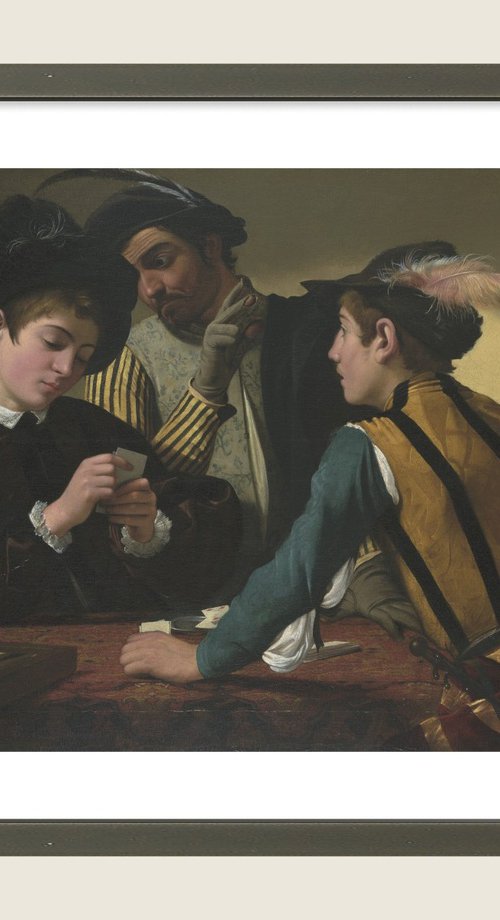
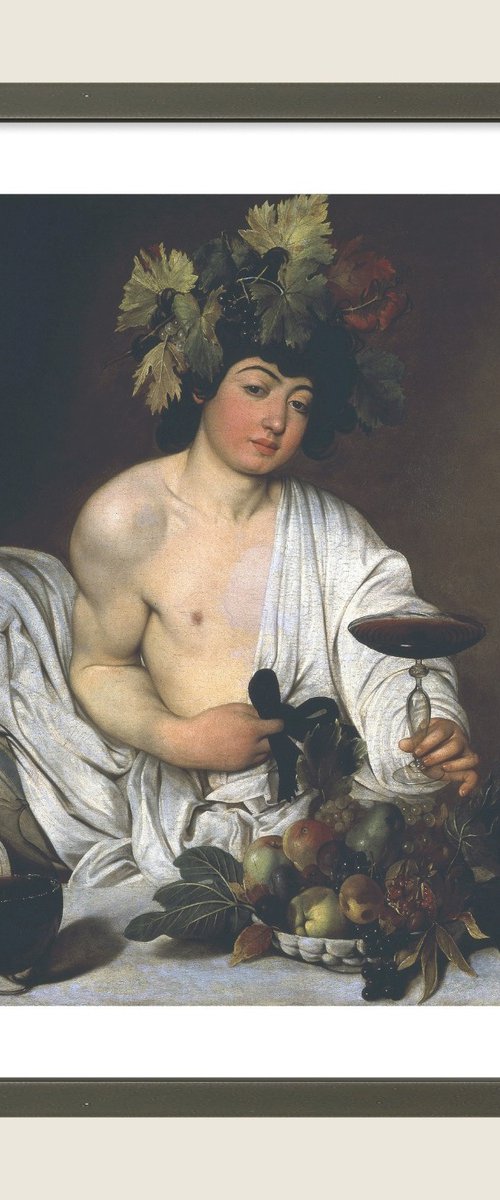
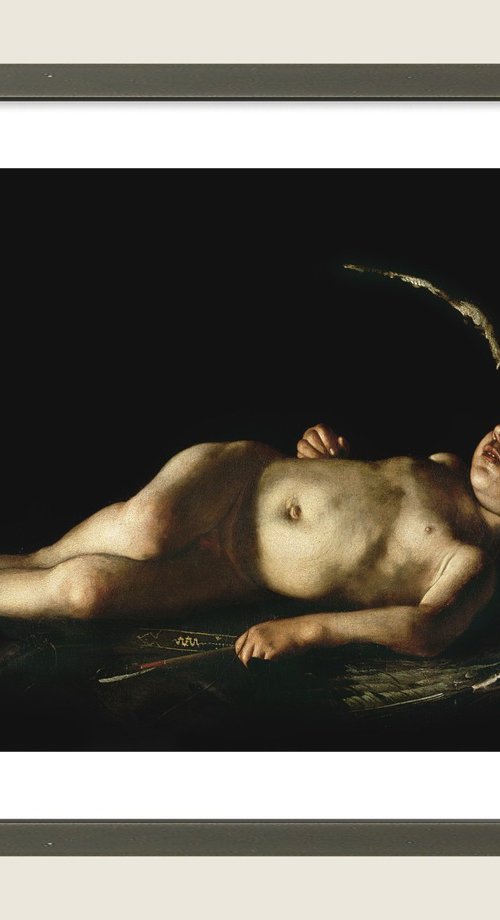
About Caravaggio
Biography
Caravaggio painted saints and martyrs as ordinary people, lit by a harsh, theatrical light that plunges everything else into darkness. Working directly from live models and often without preparatory drawings, he brought a startling realism to religious painting and helped define the Baroque.
His life was as dramatic as his art: in 1606 he killed a man and spent his final years on the run. His followers, known as the Caravaggisti, spread his style across Europe and his influence reached Rembrandt van Rijn, Rubens and Velázquez.
With a print, Caravaggio’s dramatic light and shadow can leave the chapel and the gallery for your own home — a piece of Baroque history, close at hand.
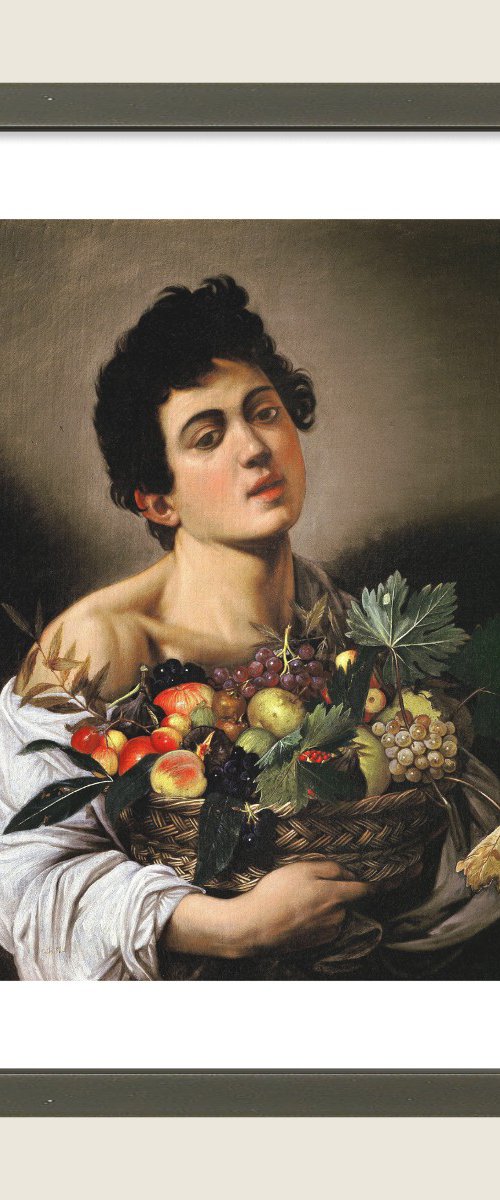
Michelangelo Merisi da Caravaggio was born in Milan in 1571. From 1584, he spent four years apprenticing to the painter Simone Peterzano in Milan. Around 1592, he moved to Rome, where he worked briefly for the painter Giuseppe Cesari, painting flowers and fruit.
Caravaggio’s breakthrough came with a commission for the Contarelli Chapel in Rome’s church of San Luigi dei Francesi. The Calling of Saint Matthew, delivered in 1600, shows Christ’s summons cutting through a gloomy room in a single shaft of light. This intense form of chiaroscuro, known as tenebrism, became his signature.
Cardinal del Monte was an early supporter of Caravaggio. In 1602, he painted The Taking of Christ for the Roman nobleman, Ciriaco Mattei; a piece which was rediscovered in Dublin in the 1990s and is now in the National Gallery of Ireland.
However, not every patron approved of his art; his Death of the Virgin was rejected by the church that commissioned it.
In 1606, Caravaggio killed Ranuccio Tomassoni and fled Rome. In Malta, he was made a Knight of the Order of St John in 1608, however, he was expelled from the Order that December. His painting, The Beheading of Saint John the Baptist, remains in St John’s Co-Cathedral in Valletta. Caravaggio died in 1610 in Porto Ercole, on the Tuscan coast.
His life was as dramatic as his art: in 1606 he killed a man and spent his final years on the run. His followers, known as the Caravaggisti, spread his style across Europe and his influence reached Rembrandt van Rijn, Rubens and Velázquez.
With a print, Caravaggio’s dramatic light and shadow can leave the chapel and the gallery for your own home — a piece of Baroque history, close at hand.
Caravaggio artwork for sale
About Caravaggio
Michelangelo Merisi da Caravaggio was born in Milan in 1571. From 1584, he spent four years apprenticing to the painter Simone Peterzano in Milan. Around 1592, he moved to Rome, where he worked briefly for the painter Giuseppe Cesari, painting flowers and fruit.
Light from the dark
Caravaggio’s breakthrough came with a commission for the Contarelli Chapel in Rome’s church of San Luigi dei Francesi. The Calling of Saint Matthew, delivered in 1600, shows Christ’s summons cutting through a gloomy room in a single shaft of light. This intense form of chiaroscuro, known as tenebrism, became his signature.
Cardinal del Monte was an early supporter of Caravaggio. In 1602, he painted The Taking of Christ for the Roman nobleman, Ciriaco Mattei; a piece which was rediscovered in Dublin in the 1990s and is now in the National Gallery of Ireland.
However, not every patron approved of his art; his Death of the Virgin was rejected by the church that commissioned it.
Exile and legacy
In 1606, Caravaggio killed Ranuccio Tomassoni and fled Rome. In Malta, he was made a Knight of the Order of St John in 1608, however, he was expelled from the Order that December. His painting, The Beheading of Saint John the Baptist, remains in St John’s Co-Cathedral in Valletta. Caravaggio died in 1610 in Porto Ercole, on the Tuscan coast.