Main Navigation

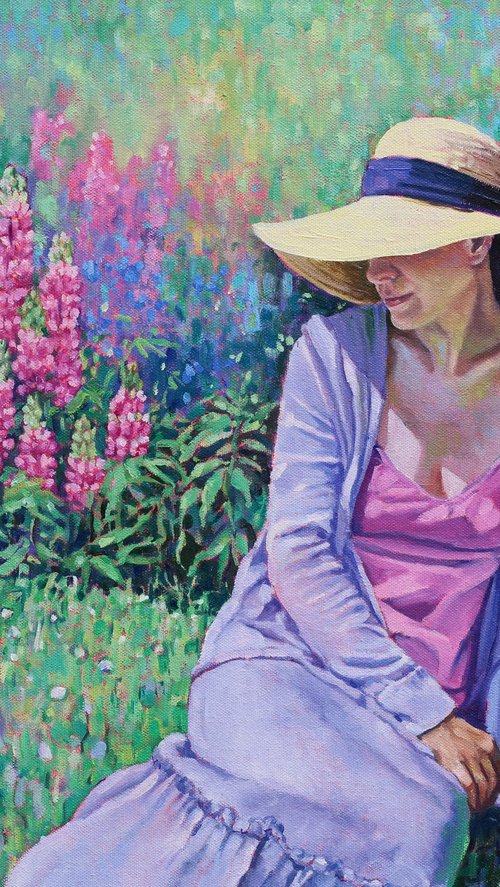


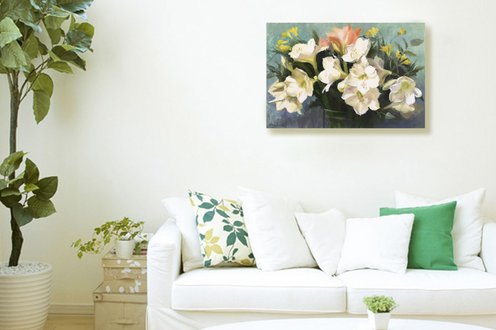
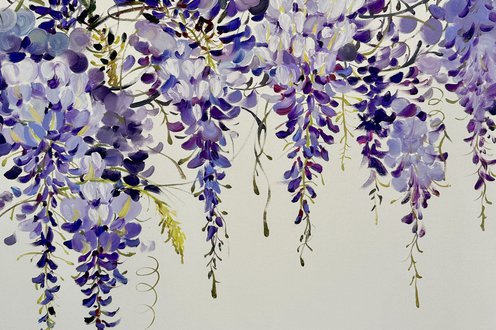
Paradise Garden - Cathedral Cloisters
Oil painting
101 x 76cm
Now £3600£4500(-20%)
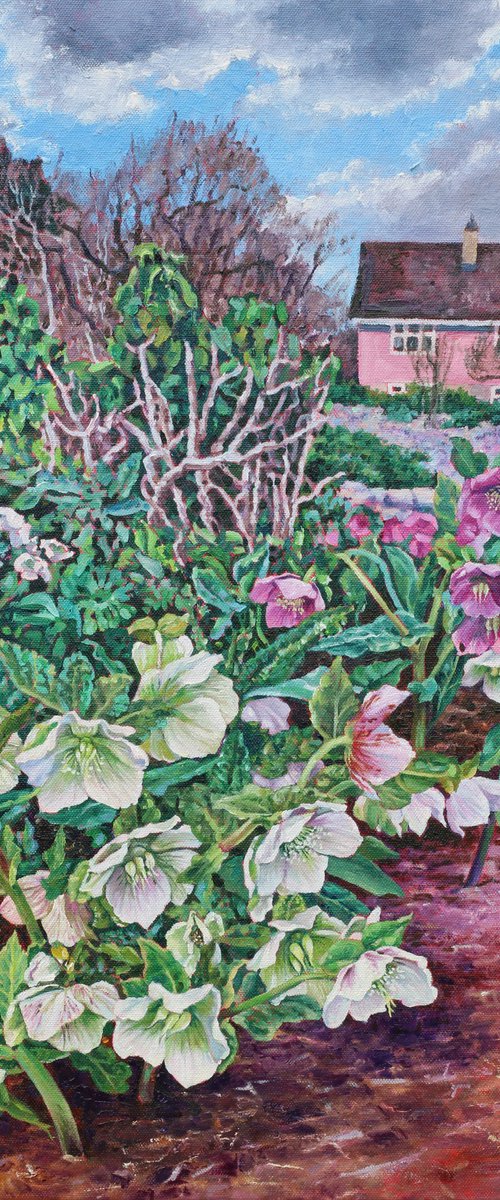
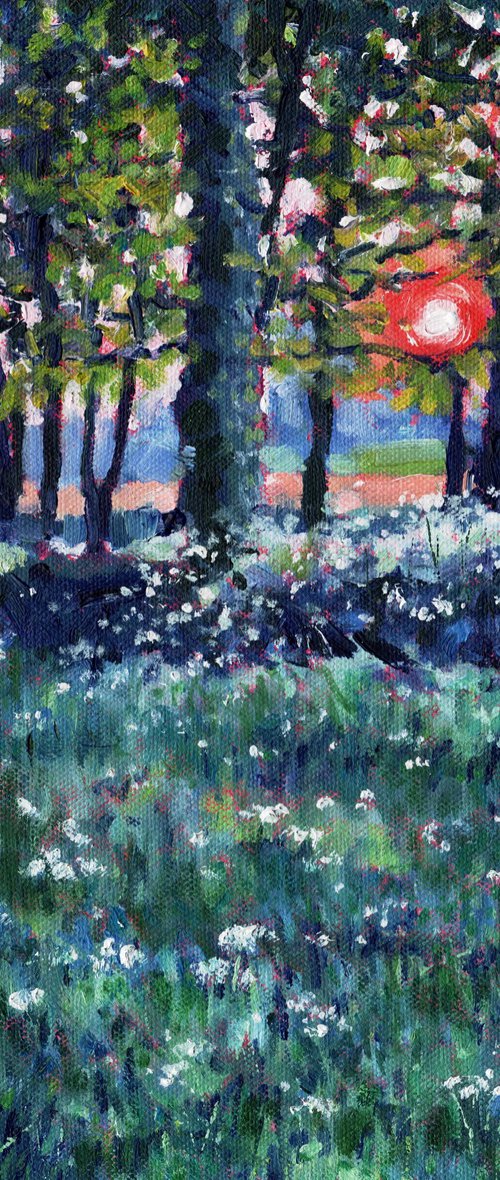
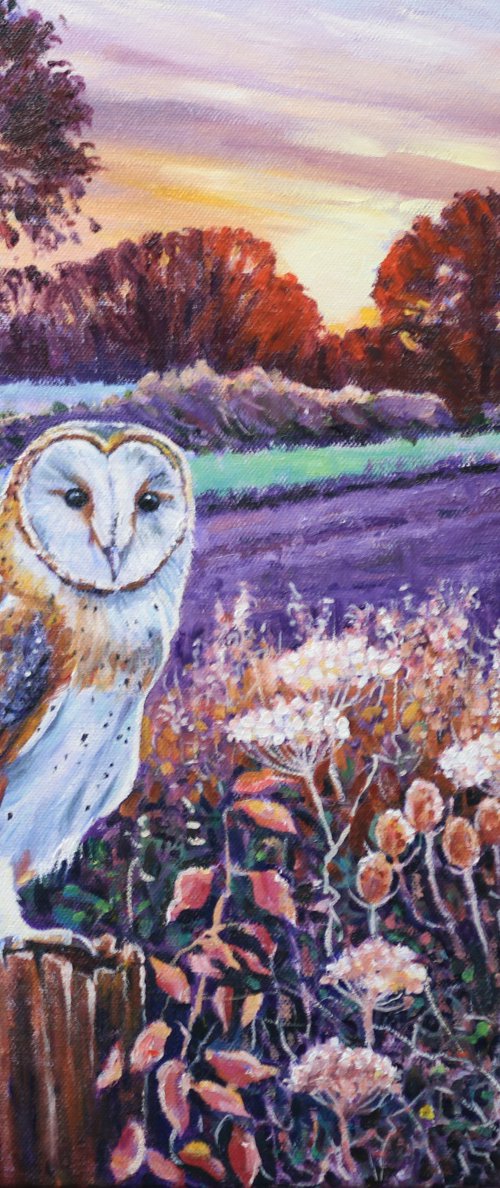
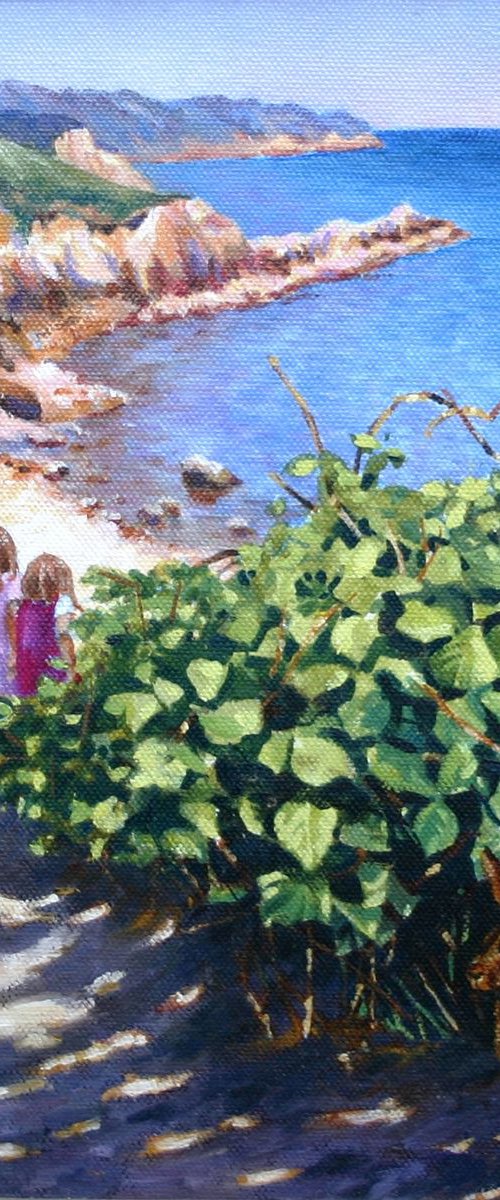
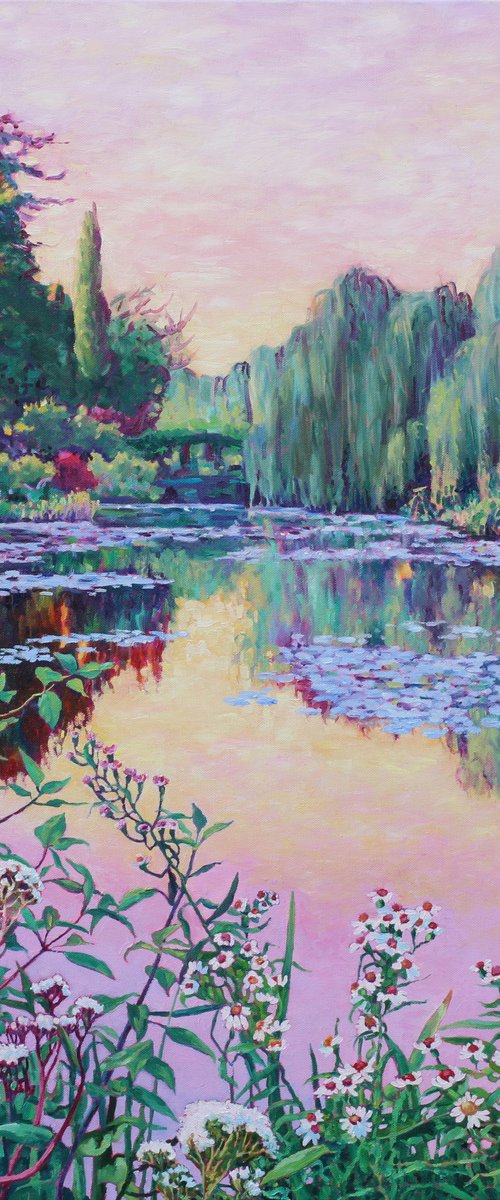
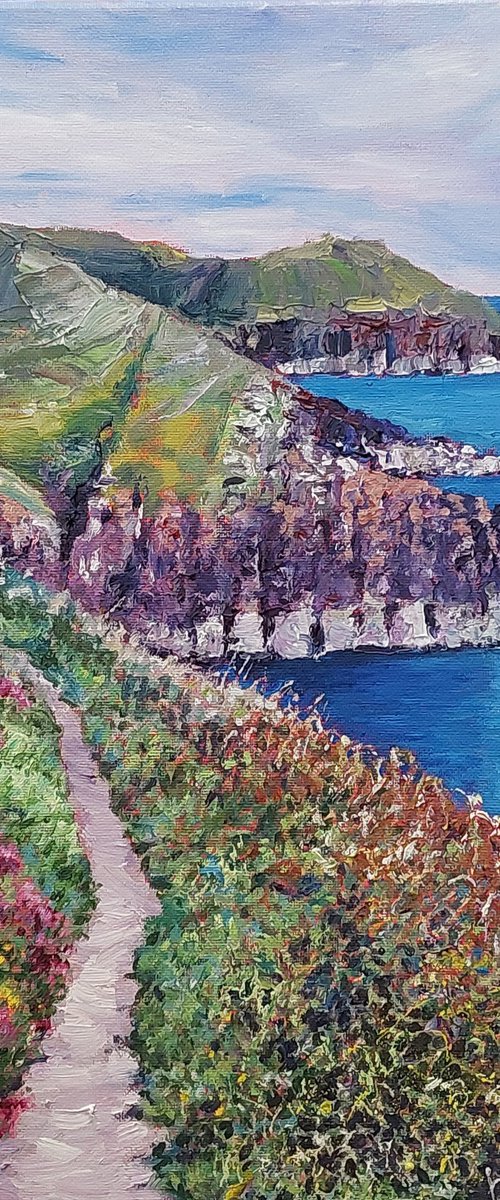
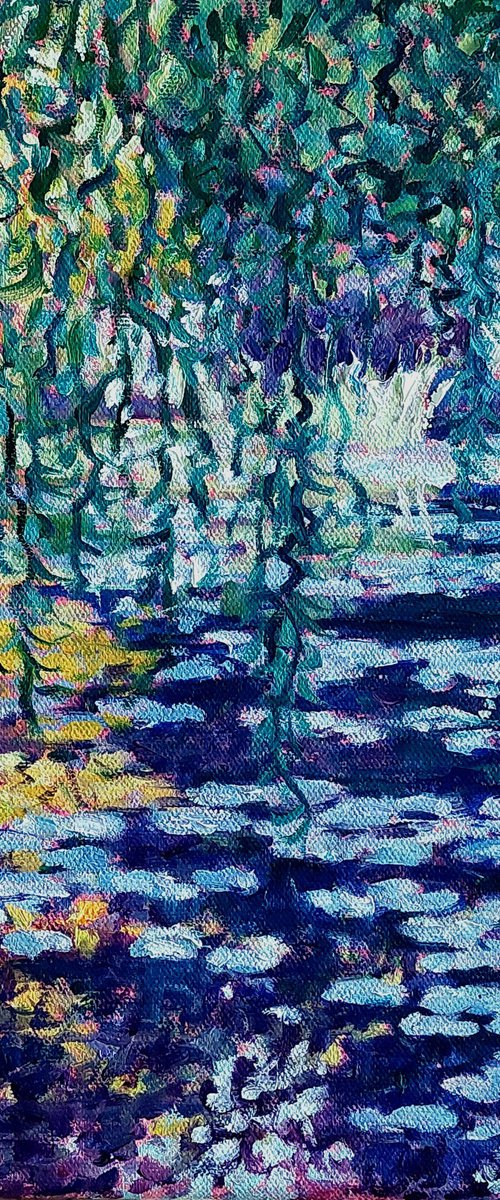
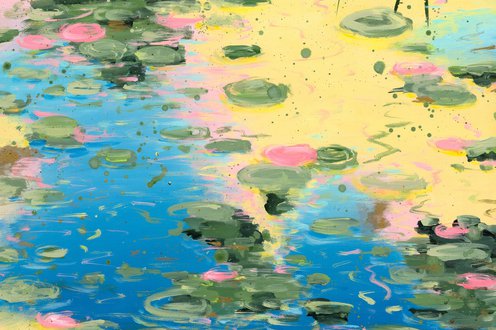
Impressions of Giverny II - water garden
Oil painting
30 x 30cm
Now £360£450(-20%)
About Zoe Elizabeth Norman
Biography
There is something profoundly intimate about standing before these canvases—a sense of being invited into quiet, sacred moments where light transforms the ordinary into the sublime. This East Anglian artist, whose career has gracefully evolved from botanical watercolourist to impressionistic oil painter, presents work that speaks not just to the eye but to the soul's longing for beauty and stillness.
From Precision to PoetryThe artist's journey is itself a compelling narrative. Beginning with the exacting discipline of botanical illustration—earning a Diploma with Distinction from The Society of Botanical Artists in 2007—and spending two decades creating delicate watercolours for prestigious publishers, she has emerged as a painter who celebrates spontaneity over precision, emotion over documentation. This evolution is not a rejection of her past but rather a flowering of it; the deep knowledge of plant forms and natural rhythms acquired through years of careful observation now manifests as confidence and freedom in her brushwork.
The Impressionist InheritanceThe influence of the late Impressionists—Monet, Cassatt, and Morisot—is evident and beautifully integrated. Like her spiritual forebears, this artist understands that painting is not about reproducing reality but capturing its essence, its mood, its ephemeral quality. Her alla prima technique, working wet-on-wet over warm grounds, creates surfaces that seem to breathe with immediacy. The visible brushstrokes she so loves become a kind of visual music, creating rhythm and movement across the canvas.
Her extensive body of work inspired by Monet's garden at Giverny demonstrates both reverence and originality. Rather than simply documenting the famous garden, she engages in an ongoing dialogue with it, returning again and again to capture its subtle transformations through seasons, weather, and shifting light. These paintings function as both homage and meditation—a contemporary artist's response to a space created over a century ago as an artist's muse.
The Sensory LandscapeWhat distinguishes this work is its multi-sensory awareness. The artist speaks of sounds and smells as evocative as visual stimuli, and this synaesthetic approach enriches her paintings with an almost tangible atmosphere. You can almost hear the birdsong in her remote landscapes, feel the whisper of wind through leaves, sense the crash of waves against the shore. Her paintings invite us not just to look but to inhabit, to remember our own encounters with the natural world's quieter moments.
The landscapes themselves are deliberately unpeopled, allowing the raw essence of nature to speak without human interruption—though native wildlife and domestic animals occasionally appear as integral parts of the scene rather than mere decorative elements. There is something almost spiritual in this choice, a suggestion that nature's beauty needs no human validation, only witness.
Technical Mastery and Emotional ResonanceTechnically, the work demonstrates sophisticated colour sense—the artist's ability to perceive "many different shades and hues that others may miss" results in paintings that vibrate with unexpected colour relationships. Morning mist, glistening dewdrops, the play of light through water—these ephemeral phenomena are captured with both technical skill and genuine wonder.
The artist's background as a botanical illustrator and keen gardener informs her intimate understanding of plant life, while her recent turn toward figurative work inspired by ancient British myths and legends promises an exciting new chapter. This rekindled interest in literary and narrative painting, combined with her passion for textiles and patterns, suggests work that will be both more complex and more personal.
Recognition and Future DirectionsHer accolades speak to both her technical accomplishment and her relevance: exhibitions at Norwich Cathedral, The Assembly House Norwich, and national venues, culminating in the 2020 first prize win for Octopus Energy and Artfinder's environmental art competition "Portraits from the Precipice." This recognition of her environmental consciousness adds another layer to work that has always celebrated the natural world.
A Painter's Practice as MeditationIn an age of digital distraction and environmental anxiety, this artist offers something increasingly precious: an invitation to slow down, to look closely, to remember that the world is still full of moments worth preserving, worth celebrating, worth painting with love and dedication. Her work reminds us that art at its best is not about the artist's ego but about shared human experience—the "emotional journey of awe and wonder seen through an artist's eye" that connects us all to something larger than ourselves.
Biography
There is something profoundly intimate about standing before these canvases—a sense of being invited into quiet, sacred moments where light transforms the ordinary into the sublime. This East Anglian artist, whose career has gracefully evolved from botanical watercolourist to impressionistic oil painter, presents work that speaks not just to the eye but to the soul's longing for beauty and stillness.
From Precision to PoetryThe artist's journey is itself a compelling narrative. Beginning with the exacting discipline of botanical illustration—earning a Diploma with Distinction from The Society of Botanical Artists in 2007—and spending two decades creating delicate watercolours for prestigious publishers, she has emerged as a painter who celebrates spontaneity over precision, emotion over documentation. This evolution is not a rejection of her past but rather a flowering of it; the deep knowledge of plant forms and natural rhythms acquired through years of careful observation now manifests as confidence and freedom in her brushwork.
The Impressionist InheritanceThe influence of the late Impressionists—Monet, Cassatt, and Morisot—is evident and beautifully integrated. Like her spiritual forebears, this artist understands that painting is not about reproducing reality but capturing its essence, its mood, its ephemeral quality. Her alla prima technique, working wet-on-wet over warm grounds, creates surfaces that seem to breathe with immediacy. The visible brushstrokes she so loves become a kind of visual music, creating rhythm and movement across the canvas.
Her extensive body of work inspired by Monet's garden at Giverny demonstrates both reverence and originality. Rather than simply documenting the famous garden, she engages in an ongoing dialogue with it, returning again and again to capture its subtle transformations through seasons, weather, and shifting light. These paintings function as both homage and meditation—a contemporary artist's response to a space created over a century ago as an artist's muse.
The Sensory LandscapeWhat distinguishes this work is its multi-sensory awareness. The artist speaks of sounds and smells as evocative as visual stimuli, and this synaesthetic approach enriches her paintings with an almost tangible atmosphere. You can almost hear the birdsong in her remote landscapes, feel the whisper of wind through leaves, sense the crash of waves against the shore. Her paintings invite us not just to look but to inhabit, to remember our own encounters with the natural world's quieter moments.
The landscapes themselves are deliberately unpeopled, allowing the raw essence of nature to speak without human interruption—though native wildlife and domestic animals occasionally appear as integral parts of the scene rather than mere decorative elements. There is something almost spiritual in this choice, a suggestion that nature's beauty needs no human validation, only witness.
Technical Mastery and Emotional ResonanceTechnically, the work demonstrates sophisticated colour sense—the artist's ability to perceive "many different shades and hues that others may miss" results in paintings that vibrate with unexpected colour relationships. Morning mist, glistening dewdrops, the play of light through water—these ephemeral phenomena are captured with both technical skill and genuine wonder.
The artist's background as a botanical illustrator and keen gardener informs her intimate understanding of plant life, while her recent turn toward figurative work inspired by ancient British myths and legends promises an exciting new chapter. This rekindled interest in literary and narrative painting, combined with her passion for textiles and patterns, suggests work that will be both more complex and more personal.
Recognition and Future DirectionsHer accolades speak to both her technical accomplishment and her relevance: exhibitions at Norwich Cathedral, The Assembly House Norwich, and national venues, culminating in the 2020 first prize win for Octopus Energy and Artfinder's environmental art competition "Portraits from the Precipice." This recognition of her environmental consciousness adds another layer to work that has always celebrated the natural world.
A Painter's Practice as MeditationIn an age of digital distraction and environmental anxiety, this artist offers something increasingly precious: an invitation to slow down, to look closely, to remember that the world is still full of moments worth preserving, worth celebrating, worth painting with love and dedication. Her work reminds us that art at its best is not about the artist's ego but about shared human experience—the "emotional journey of awe and wonder seen through an artist's eye" that connects us all to something larger than ourselves.
Education
2005 - 2007
Society of Botanical Artists
Education
2005 - 2007
Society of Botanical Artists
Awards
2020
Portraits from the Precipice!
Overall Winner.
Show more awardsAwards
2020
Portraits from the Precipice!
Overall Winner.
Show more awardsThere are no upcoming events
Show previous eventsEvents
There are no upcoming events
Show previous eventsFeatured In
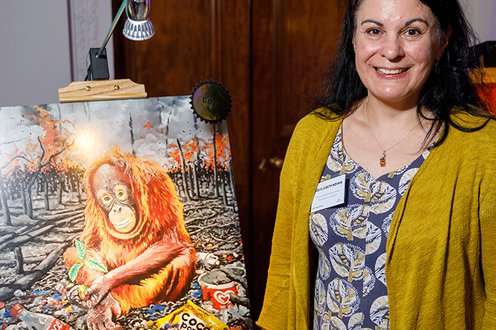
Portraits from the Precipice: Meet first place winner, Zoe Elizabeth Norman
Zoe Elizabeth Norman won a whopping £10,000 through our climate change art prize with Octopus Energy...
Blog Post