Main Navigation
About Jean-Pierre Walter
Biography
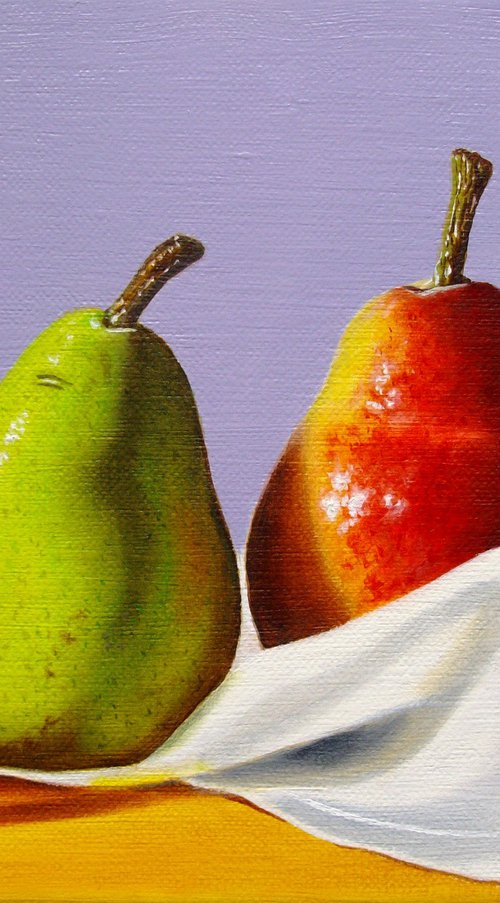
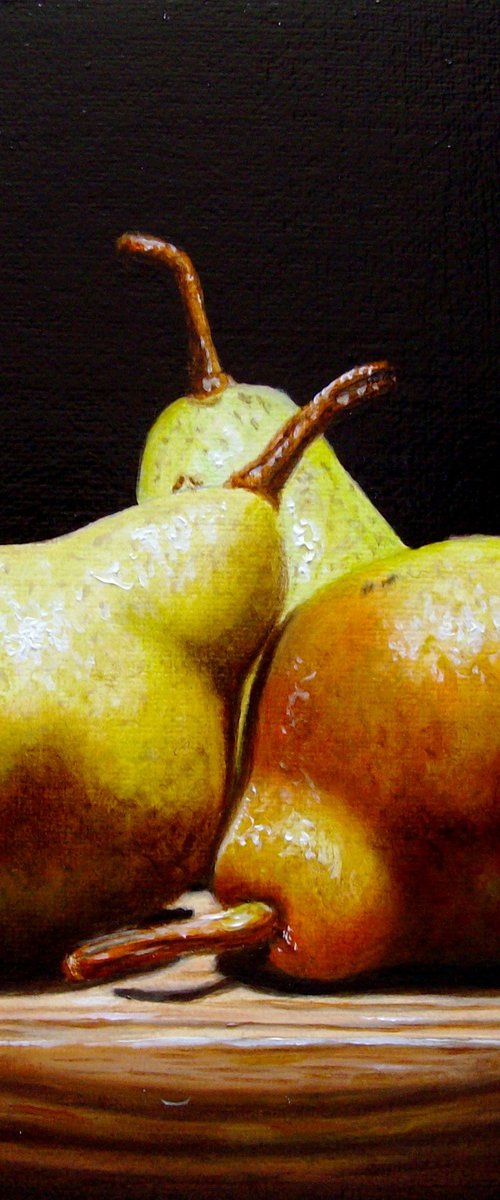
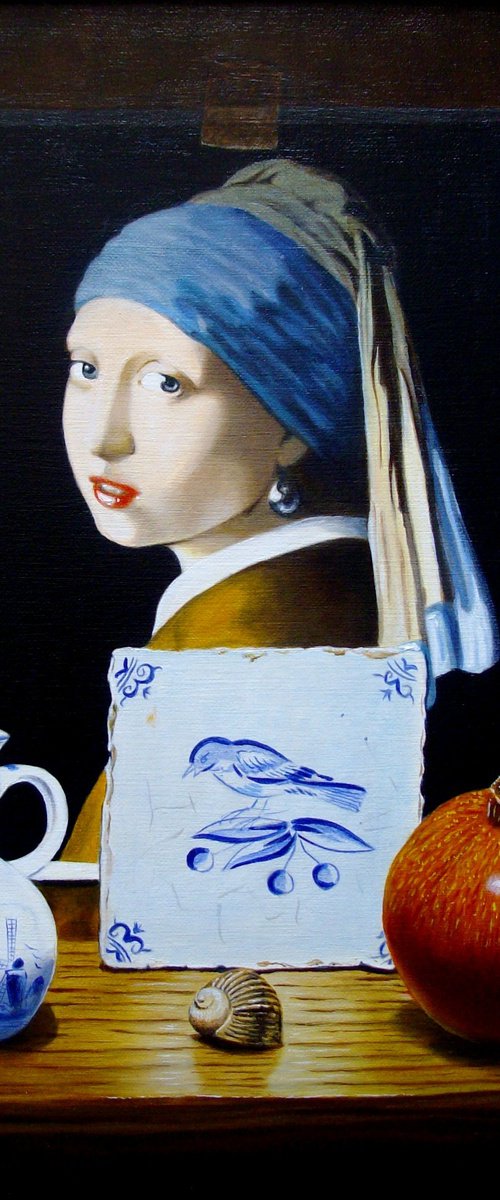
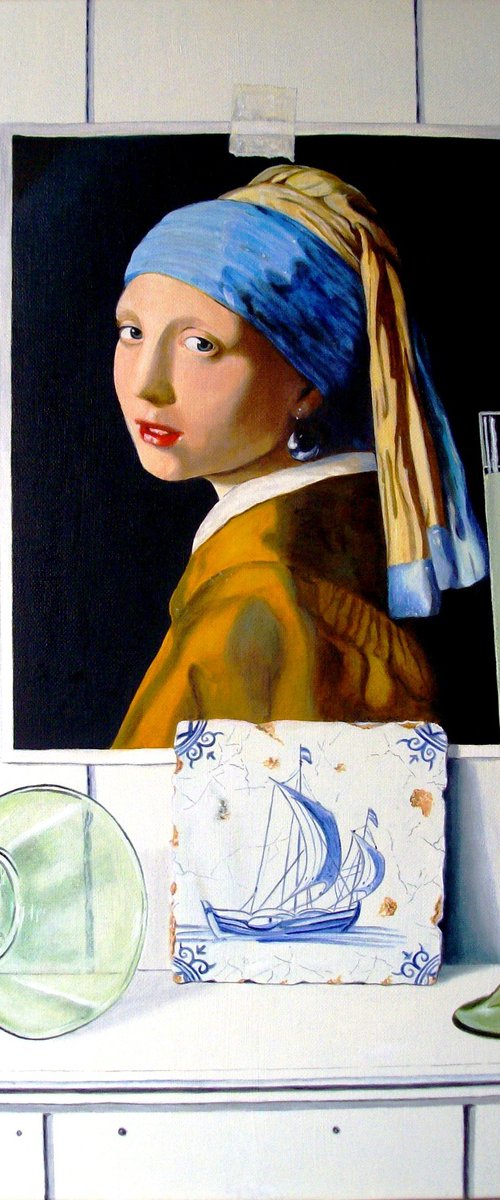
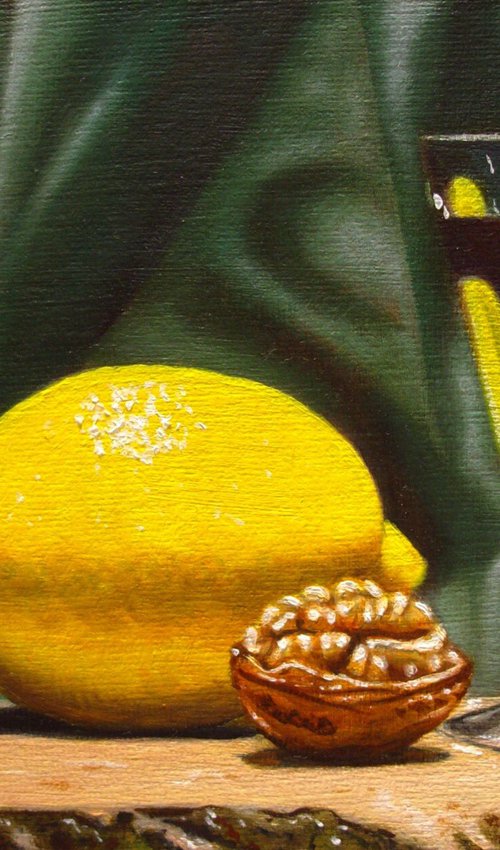
"While Jean-Pierre Walter’s still lifes minimize light to better highlight the drama of existence, they stand in contrast as peaceful, silent oases rich in harmonious colors.
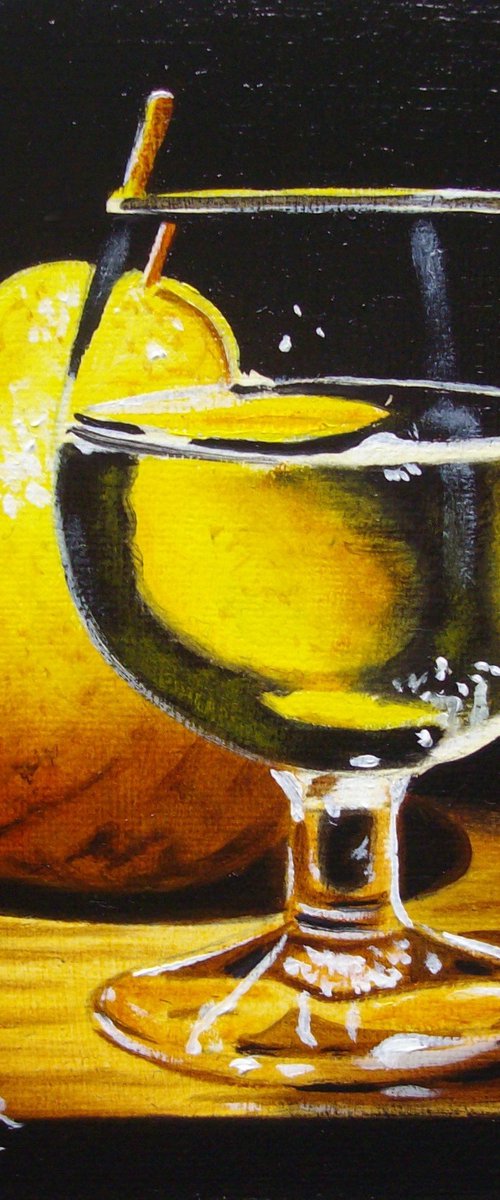
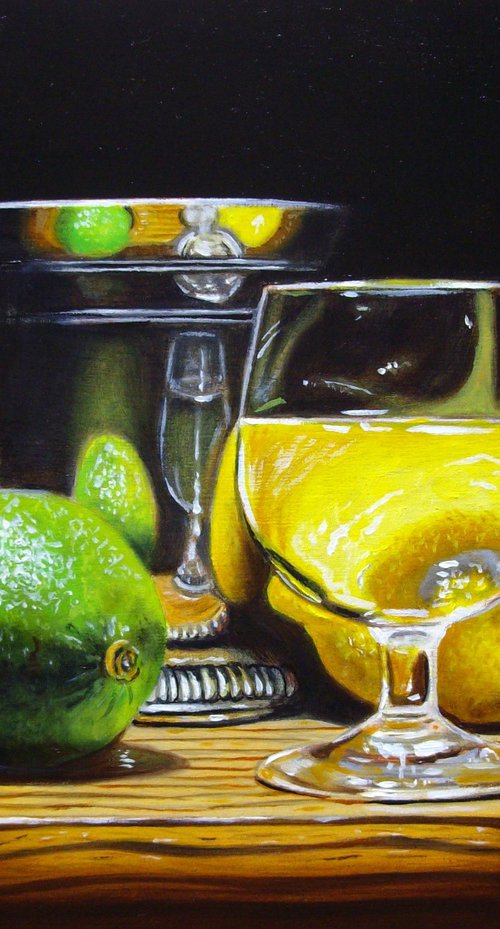
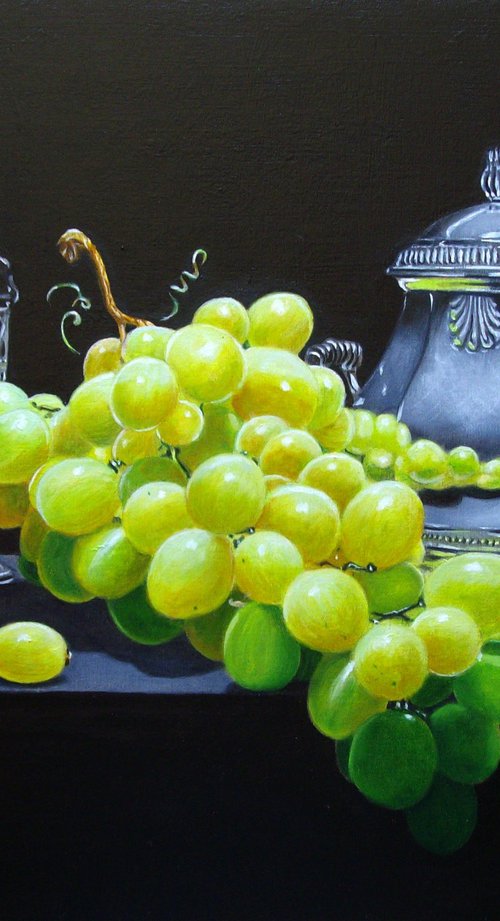
With roots stretching from Sébastien Stoskopff’s Alsace to Van Eyck’s Flanders, this admirer of Jean-Siméon Chardin and Louise Moillon cultivates his sense of “beauty” through meticulous compositions where fruits appear subtly in the distorted reflections of luminescent silverware, thanks to his mastery of glazing.
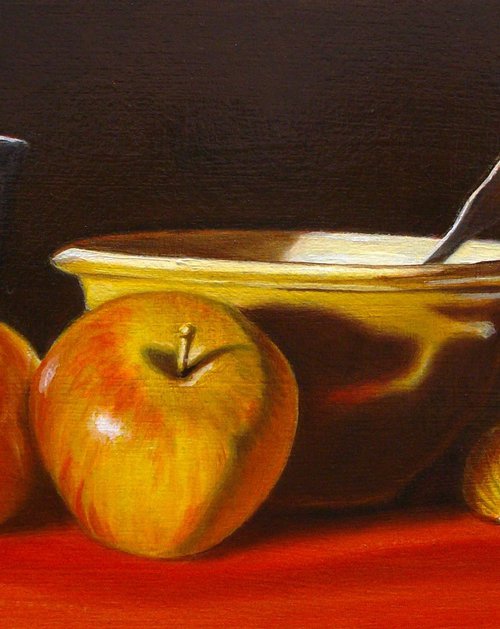
It is with pleasure that he invites us to relive our childhood memories by immersing us in the sensory experience of warm compositions with old-fashioned charm and subtly rendered areas of shadow. But he also enjoys unsettling our senses by creating ingenious paintings in which the elements, freed from gravity, prompt us to question our relationship to objects and our actual perception of the world.
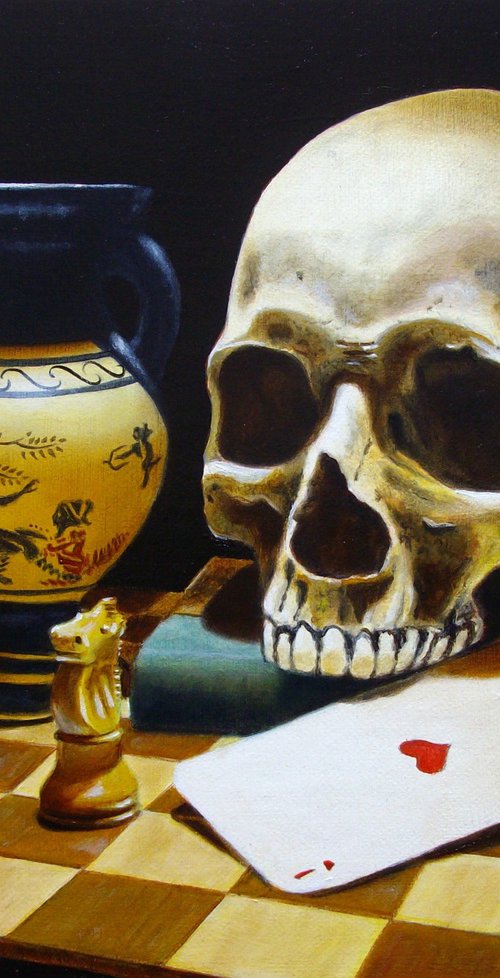
Executed with precision and featuring impeccable form, his paintings are nonetheless rich in substance, and it is in Symbolism that we must seek his artistic discourse—the perfect antithesis of our era.
Faced with a society that has become noisy, losing both its values and its culture, Jean-Pierre responds with his “silent still lifes,” as if to better confront us with the passing of time, with this life that slips away from us, where all the enriching knowledge of the past—such as philosophy or spirituality—is disappearing.
While celebrating hedonism with its abundance of fruit and wine, it nonetheless evokes the asceticism of a life that will come to an end with a few vanities, thus discreetly reminding us that if Art is a path to the invisible, the artist is its guide.”
With roots stretching from Sébastien Stoskopff’s Alsace to Van Eyck’s Flanders, this admirer of Jean-Siméon Chardin and Louise Moillon cultivates his sense of “beauty” through meticulous compositions where fruits appear subtly in the distorted reflections of luminescent silverware, thanks to his mastery of glazing.
It is with pleasure that he invites us to relive our childhood memories by immersing us in the sensory experience of warm compositions with old-fashioned charm and subtly rendered areas of shadow. But he also enjoys unsettling our senses by creating ingenious paintings in which the elements, freed from gravity, prompt us to question our relationship to objects and our actual perception of the world.
Executed with precision and featuring impeccable form, his paintings are nonetheless rich in substance, and it is in Symbolism that we must seek his artistic discourse—the perfect antithesis of our era.
Faced with a society that has become noisy, losing both its values and its culture, Jean-Pierre responds with his “silent still lifes,” as if to better confront us with the passing of time, with this life that slips away from us, where all the enriching knowledge of the past—such as philosophy or spirituality—is disappearing.
While celebrating hedonism with its abundance of fruit and wine, it nonetheless evokes the asceticism of a life that will come to an end with a few vanities, thus discreetly reminding us that if Art is a path to the invisible, the artist is its guide.”
Biography
"While Jean-Pierre Walter’s still lifes minimize light to better highlight the drama of existence, they stand in contrast as peaceful, silent oases rich in harmonious colors.
With roots stretching from Sébastien Stoskopff’s Alsace to Van Eyck’s Flanders, this admirer of Jean-Siméon Chardin and Louise Moillon cultivates his sense of “beauty” through meticulous compositions where fruits appear subtly in the distorted reflections of luminescent silverware, thanks to his mastery of glazing.
It is with pleasure that he invites us to relive our childhood memories by immersing us in the sensory experience of warm compositions with old-fashioned charm and subtly rendered areas of shadow. But he also enjoys unsettling our senses by creating ingenious paintings in which the elements, freed from gravity, prompt us to question our relationship to objects and our actual perception of the world.
Executed with precision and featuring impeccable form, his paintings are nonetheless rich in substance, and it is in Symbolism that we must seek his artistic discourse—the perfect antithesis of our era.
Faced with a society that has become noisy, losing both its values and its culture, Jean-Pierre responds with his “silent still lifes,” as if to better confront us with the passing of time, with this life that slips away from us, where all the enriching knowledge of the past—such as philosophy or spirituality—is disappearing.
While celebrating hedonism with its abundance of fruit and wine, it nonetheless evokes the asceticism of a life that will come to an end with a few vanities, thus discreetly reminding us that if Art is a path to the invisible, the artist is its guide.”
With roots stretching from Sébastien Stoskopff’s Alsace to Van Eyck’s Flanders, this admirer of Jean-Siméon Chardin and Louise Moillon cultivates his sense of “beauty” through meticulous compositions where fruits appear subtly in the distorted reflections of luminescent silverware, thanks to his mastery of glazing.
It is with pleasure that he invites us to relive our childhood memories by immersing us in the sensory experience of warm compositions with old-fashioned charm and subtly rendered areas of shadow. But he also enjoys unsettling our senses by creating ingenious paintings in which the elements, freed from gravity, prompt us to question our relationship to objects and our actual perception of the world.
Executed with precision and featuring impeccable form, his paintings are nonetheless rich in substance, and it is in Symbolism that we must seek his artistic discourse—the perfect antithesis of our era.
Faced with a society that has become noisy, losing both its values and its culture, Jean-Pierre responds with his “silent still lifes,” as if to better confront us with the passing of time, with this life that slips away from us, where all the enriching knowledge of the past—such as philosophy or spirituality—is disappearing.
While celebrating hedonism with its abundance of fruit and wine, it nonetheless evokes the asceticism of a life that will come to an end with a few vanities, thus discreetly reminding us that if Art is a path to the invisible, the artist is its guide.”
There are no upcoming events
Events
There are no upcoming events