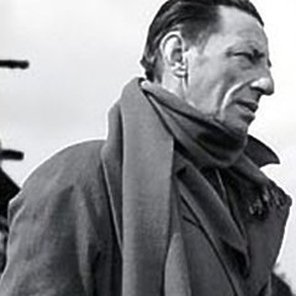
Paul Nash painted the English landscape as a place of mystery. His First World War painting We Are Making a New World remains one of the defining images of that conflict, while Totes Meer turns a dump of wrecked aircraft into a frozen, moonlit sea.
Between the wars, he was a leading force in British modernism and Surrealism, as well as an accomplished wood engraver, illustrator and teacher.
Between the wars, he was a leading force in British modernism and Surrealism, as well as an accomplished wood engraver, illustrator and teacher.
Summary
Paul Nash painted the English landscape as a place of mystery. His First World War painting We Are Making a New World remains one of the defining images of that conflict, while Totes Meer turns a dump of wrecked aircraft into a frozen, moonlit sea.
Between the wars, he was a leading force in British modernism and Surrealism, as well as an accomplished wood engraver, illustrator and teacher.
Between the wars, he was a leading force in British modernism and Surrealism, as well as an accomplished wood engraver, illustrator and teacher.
Artworks by Paul Nash
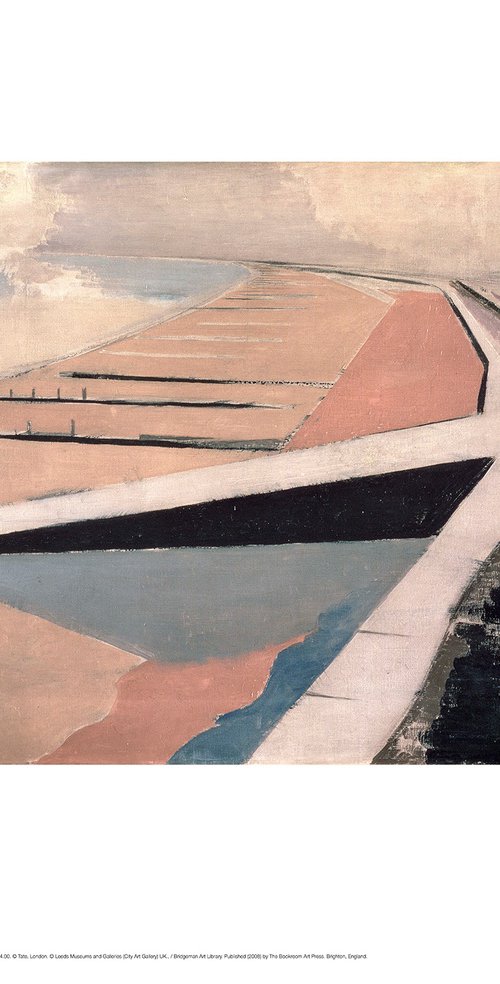
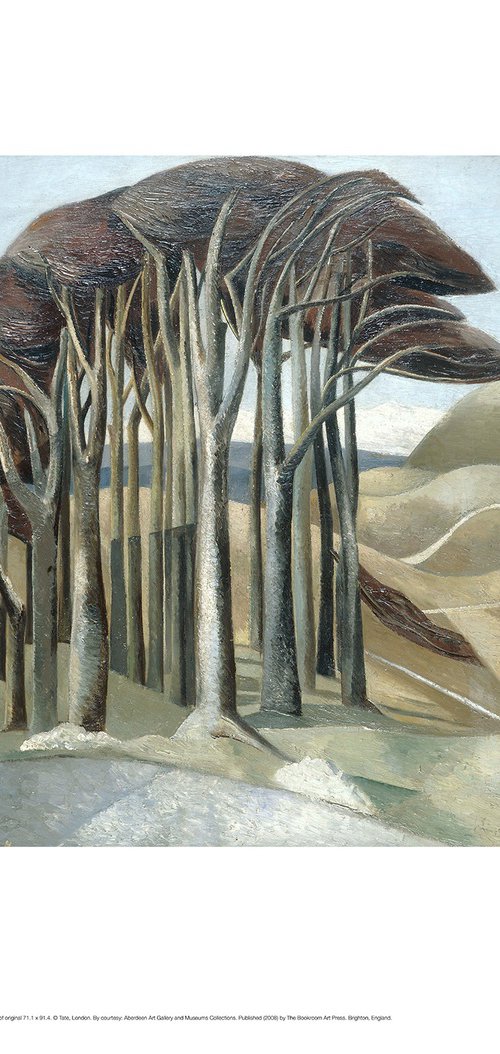
About Paul Nash
Biography
About Paul Nash
Paul Nash was born in London in 1889 and grew up partly in Buckinghamshire. After St Paul's School, he studied at the Slade School of Fine Art from 1910, though he left after about a year, turning instead to the landscapes that would define his career. His younger brother, John Nash, also became a painter.
In 1914, Nash enlisted in the Artists' Rifles. After breaking several ribs during a fall into a trench in 1917, he returned to England, then lobbied to go back to the Western Front as an official war artist. The paintings that followed, including The Menin Road and We Are Making a New World, show shattered trees, flooded shell holes and a sun rising over ruined ground.
Modernism, Surrealism and the print
In the mid-1920s, Nash taught at the Royal College of Art, where his students included Eric Ravilious and Edward Bawden, both of whom he encouraged in wood engraving. He was a member of the Society of Wood Engravers and made illustrations for books, including Sir Thomas Browne's Urne Buriall.
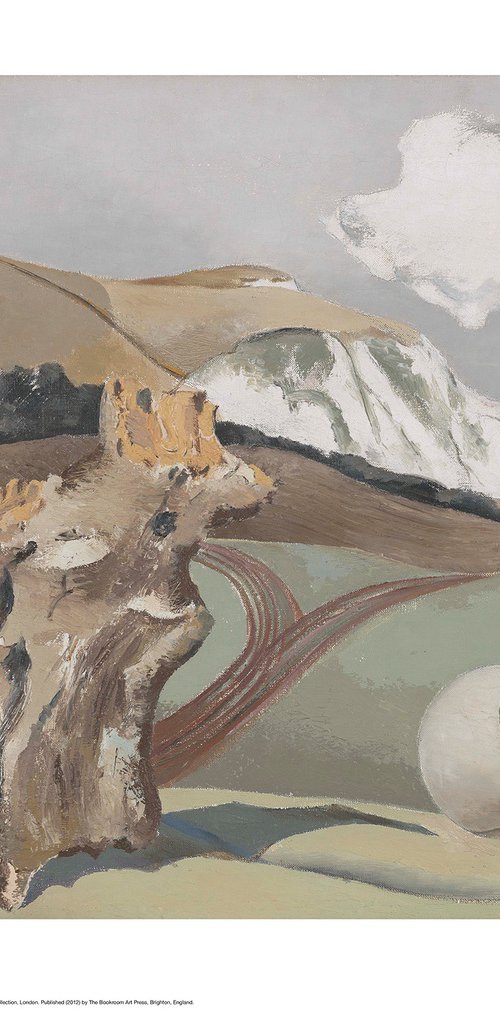
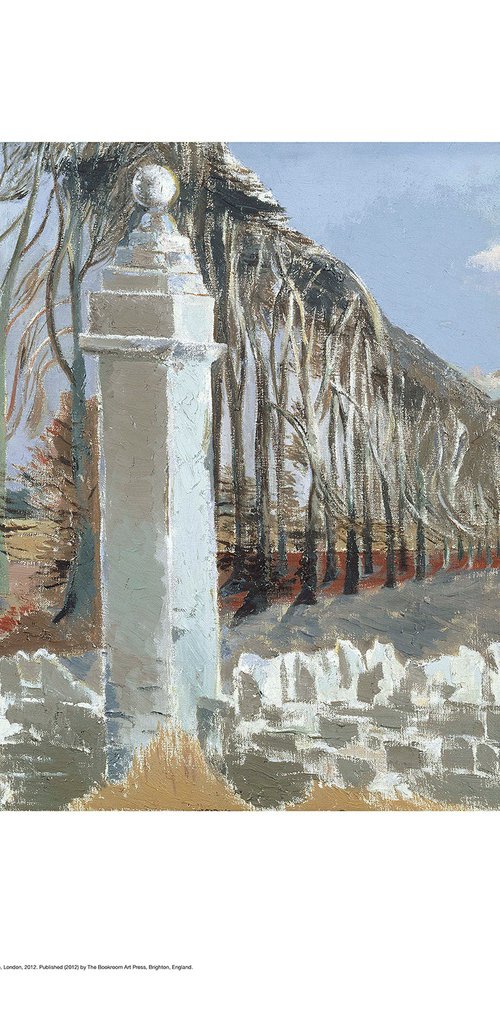
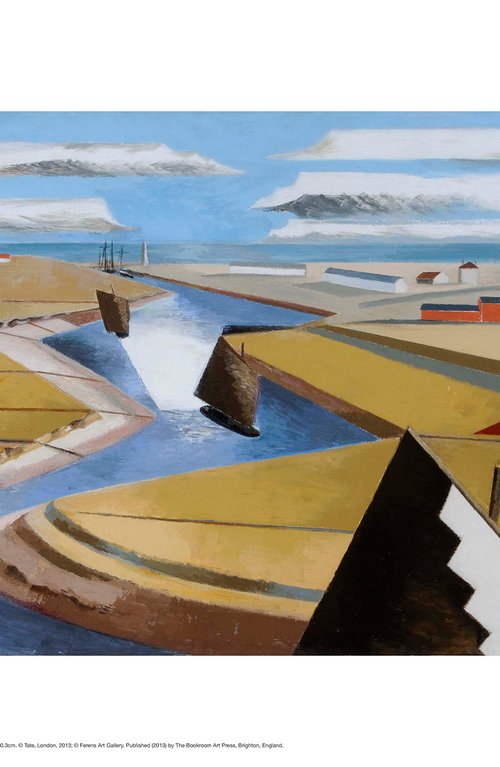
In 1933, he founded Unit One, a group of artists and architects, including Henry Moore and Barbara Hepworth, who set out to promote modern art in Britain. Three years later, he helped organise the International Surrealist Exhibition in London and showed his own work there. His paintings from this period, of standing stones, strange objects and quiet hills, blend the ancient English landscape with a dreamlike unease.
A war artist again
At the start of the Second World War, Nash was again appointed an official war artist, this time attached to the Air Ministry. Already seriously ill with asthma, he painted Totes Meer, based on a dump of crashed aircraft near Oxford. The art historian Kenneth Clark called it “the best war picture so far”.
Nash died in 1946, aged 57. His work is held by Tate, the Imperial War Museums and many other public collections.