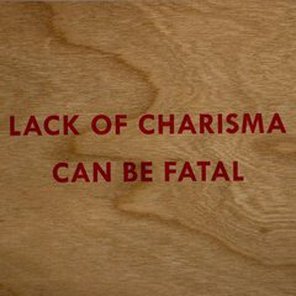
Jenny Holzer treats a single sentence as a complete work of art, printing blunt, unsettling statements onto posters, t-shirts, stone benches and scrolling LED signs. Trained originally as a painter and printmaker, she abandoned the canvas in the late 1970s for anonymous street posters carrying her own invented aphorisms: a series called Truisms that has since appeared on everything from baseball caps to the side of buildings. In 1990, she became the first woman to represent the United States with a solo exhibition at the Venice Biennale, and continues to use text, in both her own words and those of others, to probe power, violence and public space.
Summary
Jenny Holzer treats a single sentence as a complete work of art, printing blunt, unsettling statements onto posters, t-shirts, stone benches and scrolling LED signs. Trained originally as a painter and printmaker, she abandoned the canvas in the late 1970s for anonymous street posters carrying her own invented aphorisms: a series called Truisms that has since appeared on everything from baseball caps to the side of buildings. In 1990, she became the first woman to represent the United States with a solo exhibition at the Venice Biennale, and continues to use text, in both her own words and those of others, to probe power, violence and public space.
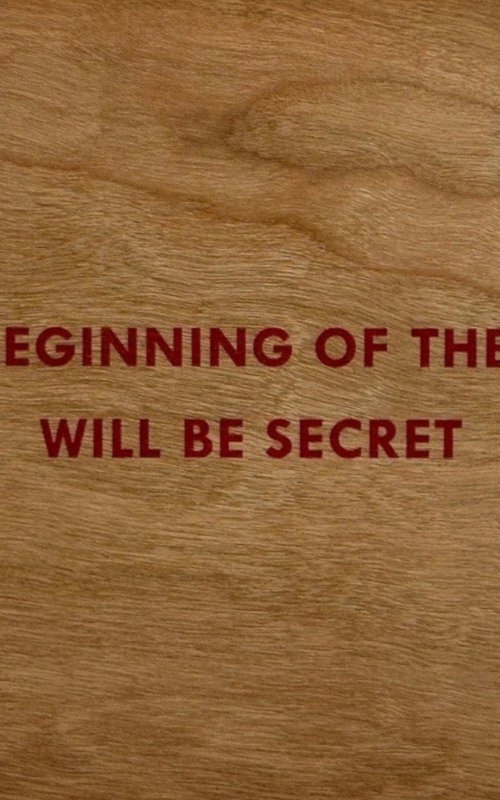
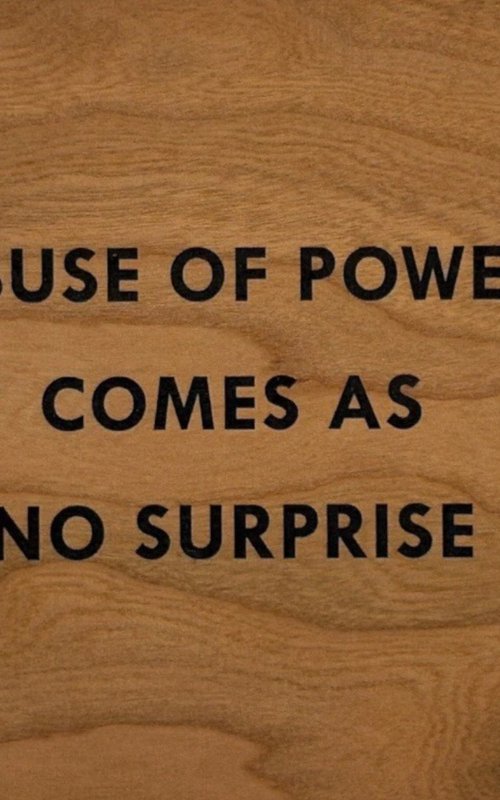
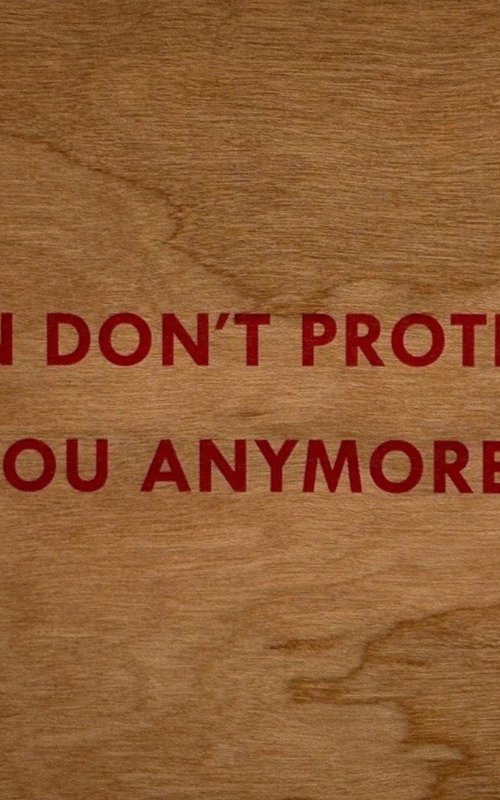
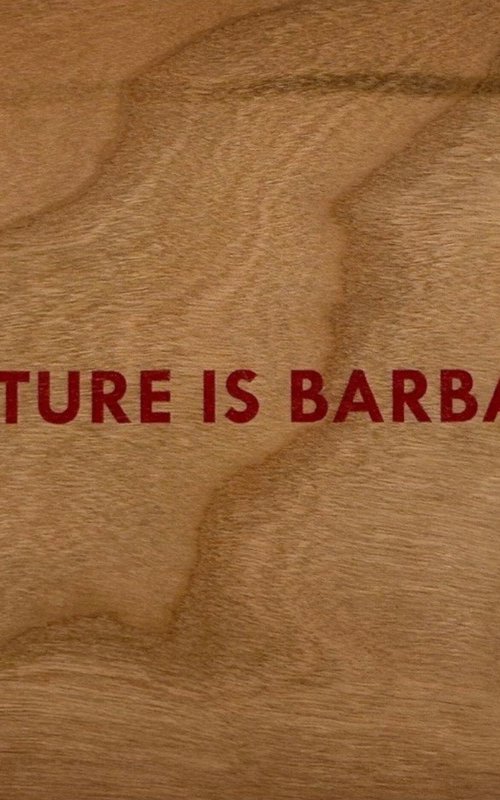
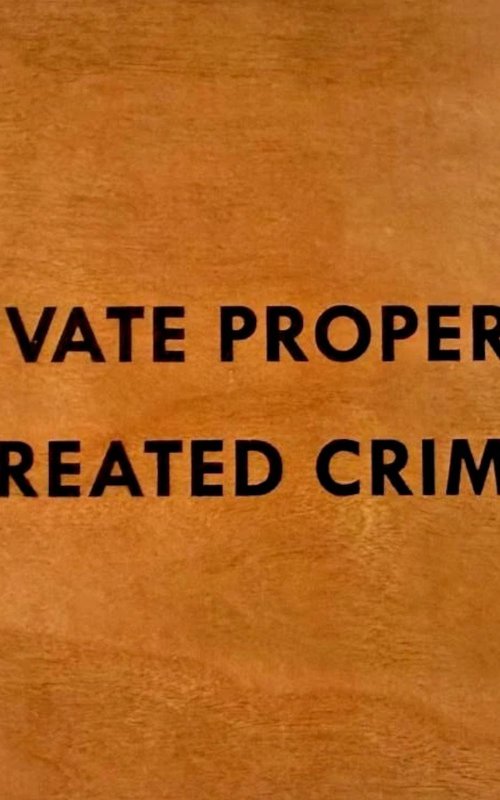
Artworks by Jenny Holzer
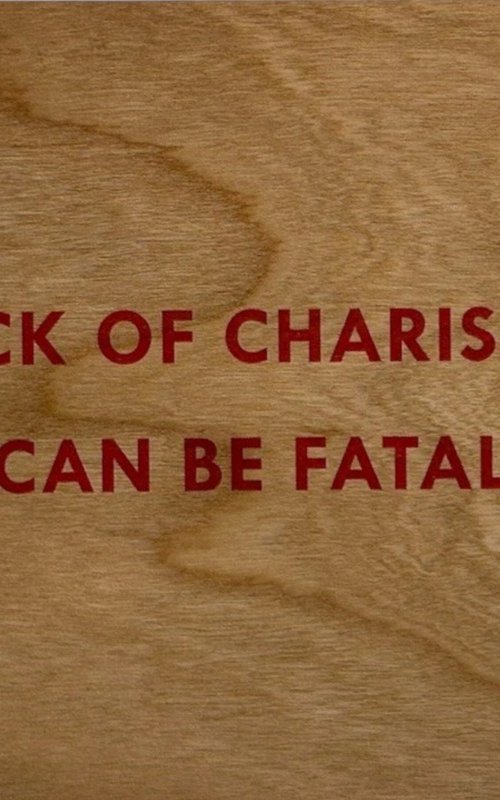
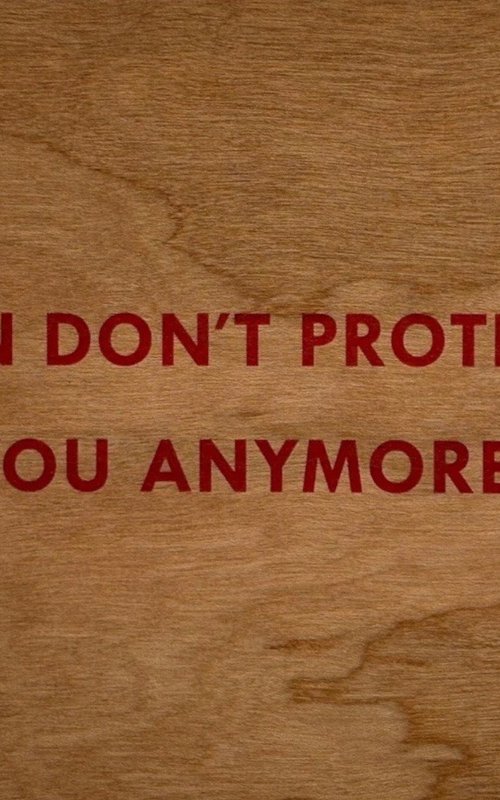
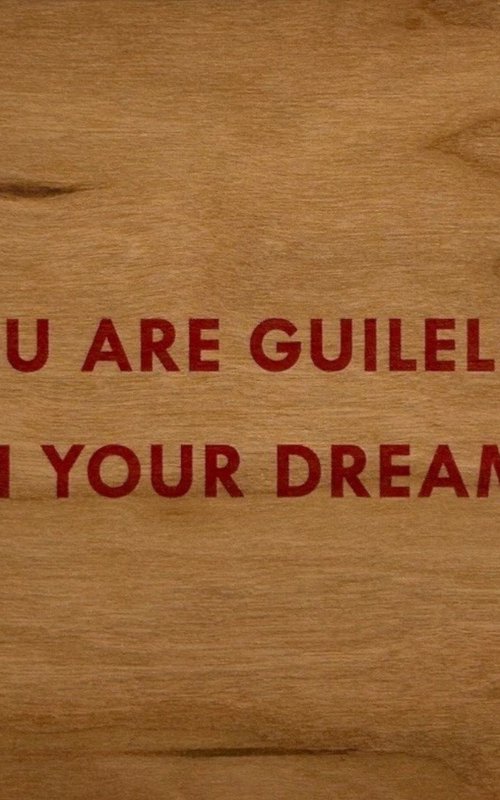

About Jenny Holzer
Biography
About Jenny Holzer
Jenny Holzer was born in 1950 in Ohio. She earned a degree in printmaking and painting from Ohio University in 1972 and an MFA in painting from the Rhode Island School of Design in 1977. Following her move to New York and joining the Whitney Museum's Independent Study Program, she began writing short, aphoristic statements as a way of distilling the theory she was reading.
Truisms on the street
Those statements became Truisms, a growing list of deadpan one-liners such as “Abuse of power comes as no surprise”, which Holzer printed as offset posters and pasted anonymously around downtown Manhattan.
The project's next major shift came in 1982, when an invitation to use the Spectacolor sign in Times Square gave her a first taste of electronic display; LED signage has remained one of her signature formats ever since, alongside large-scale outdoor light projections onto buildings including the Louvre and the Guggenheim.
Print as first medium
Print was Holzer's first medium and it has stayed close to her practice even as her formats have expanded. The earliest Truisms posters were produced as offset lithographs in editions of around 75, cheaply printed so they could be pasted onto walls and handed out with the same disposability as advertising.
Her later series, including her Redaction paintings, use silkscreen to reproduce declassified and partially blacked-out US government documents relating to the wars in Iraq and Afghanistan.
Biography
About Jenny Holzer
Jenny Holzer was born in 1950 in Ohio. She earned a degree in printmaking and painting from Ohio University in 1972 and an MFA in painting from the Rhode Island School of Design in 1977. Following her move to New York and joining the Whitney Museum's Independent Study Program, she began writing short, aphoristic statements as a way of distilling the theory she was reading.
Truisms on the street
Those statements became Truisms, a growing list of deadpan one-liners such as “Abuse of power comes as no surprise”, which Holzer printed as offset posters and pasted anonymously around downtown Manhattan.
The project's next major shift came in 1982, when an invitation to use the Spectacolor sign in Times Square gave her a first taste of electronic display; LED signage has remained one of her signature formats ever since, alongside large-scale outdoor light projections onto buildings including the Louvre and the Guggenheim.
Print as first medium
Print was Holzer's first medium and it has stayed close to her practice even as her formats have expanded. The earliest Truisms posters were produced as offset lithographs in editions of around 75, cheaply printed so they could be pasted onto walls and handed out with the same disposability as advertising.
Her later series, including her Redaction paintings, use silkscreen to reproduce declassified and partially blacked-out US government documents relating to the wars in Iraq and Afghanistan.