Main Navigation
About Sagrasse
Biography
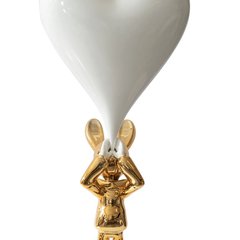
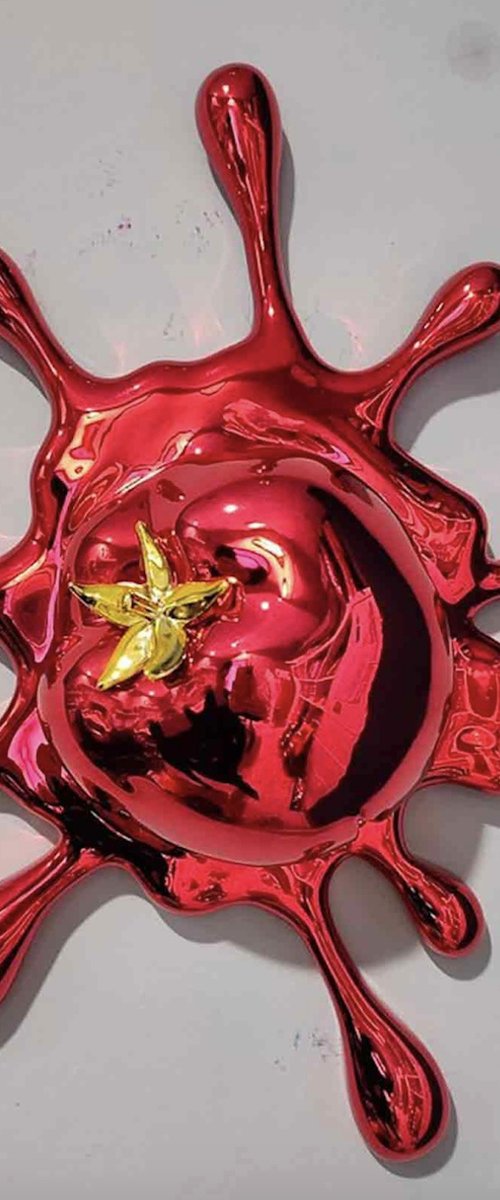
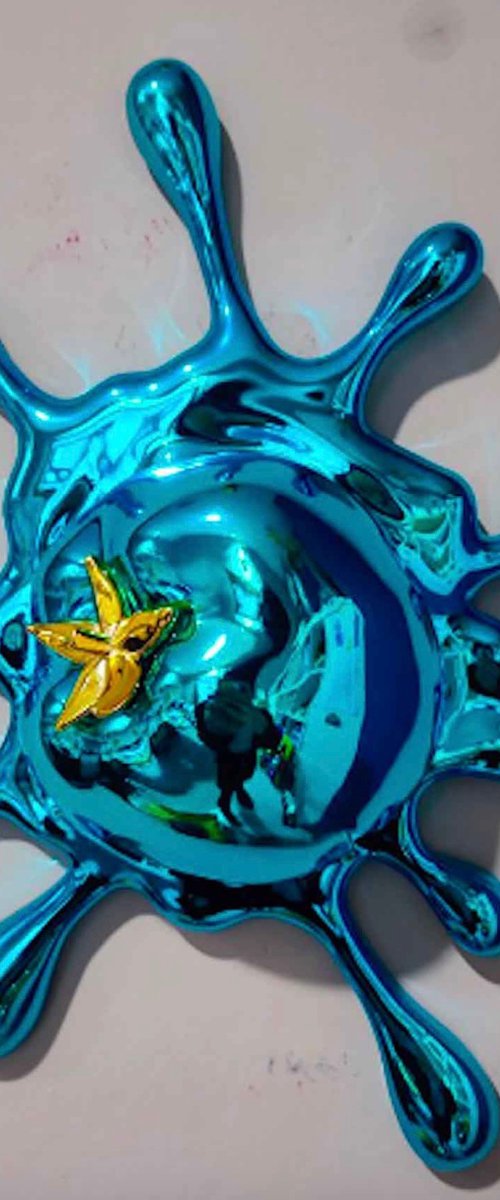
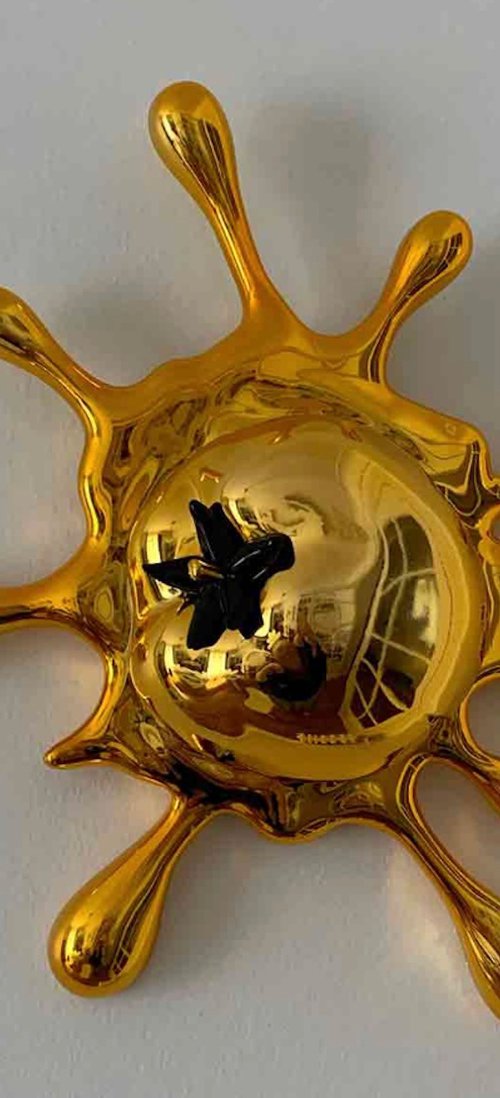
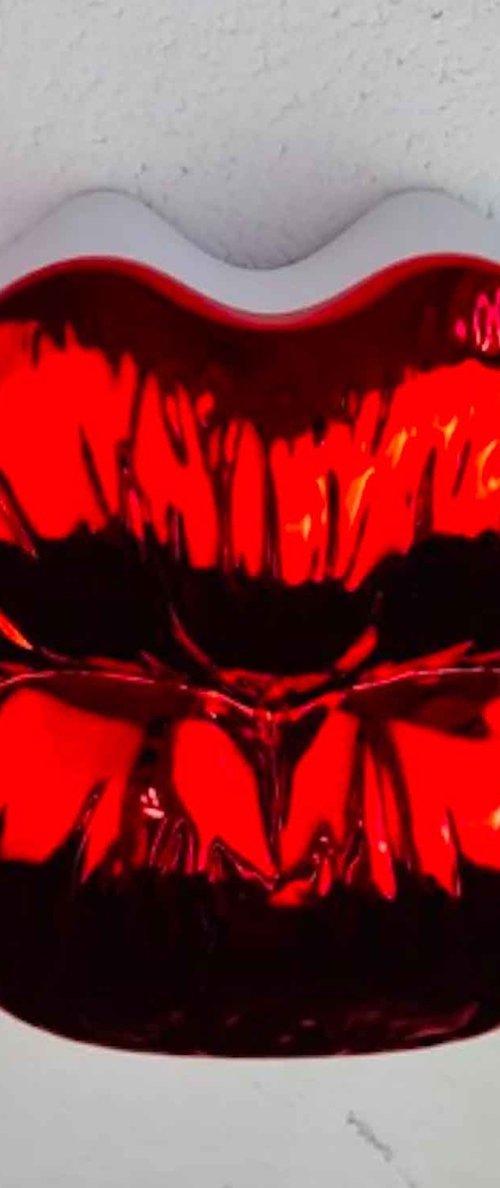
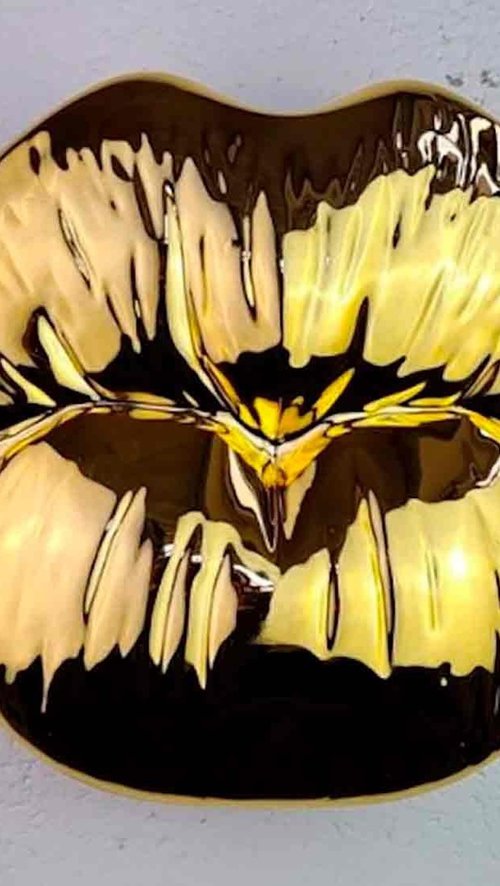
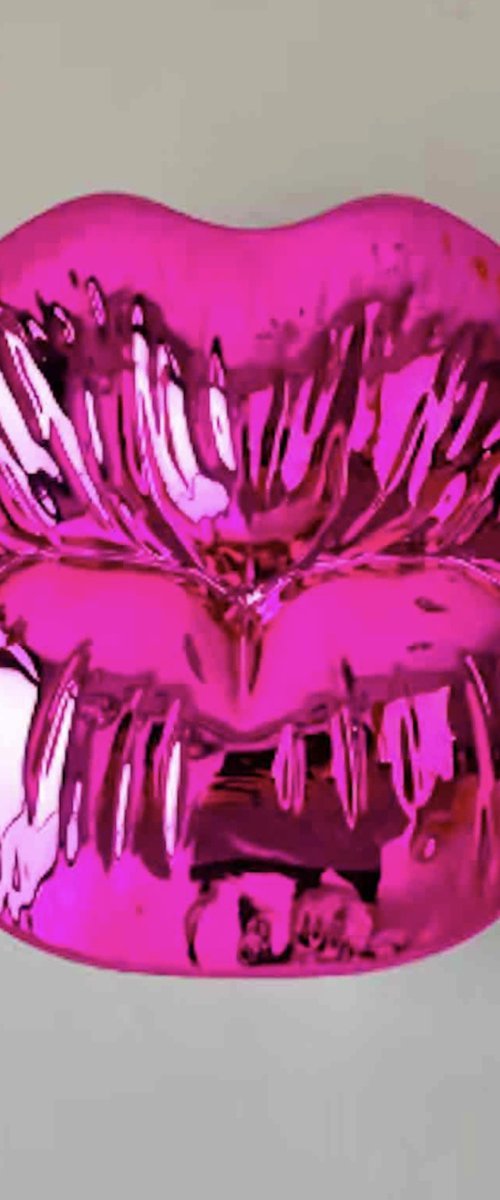
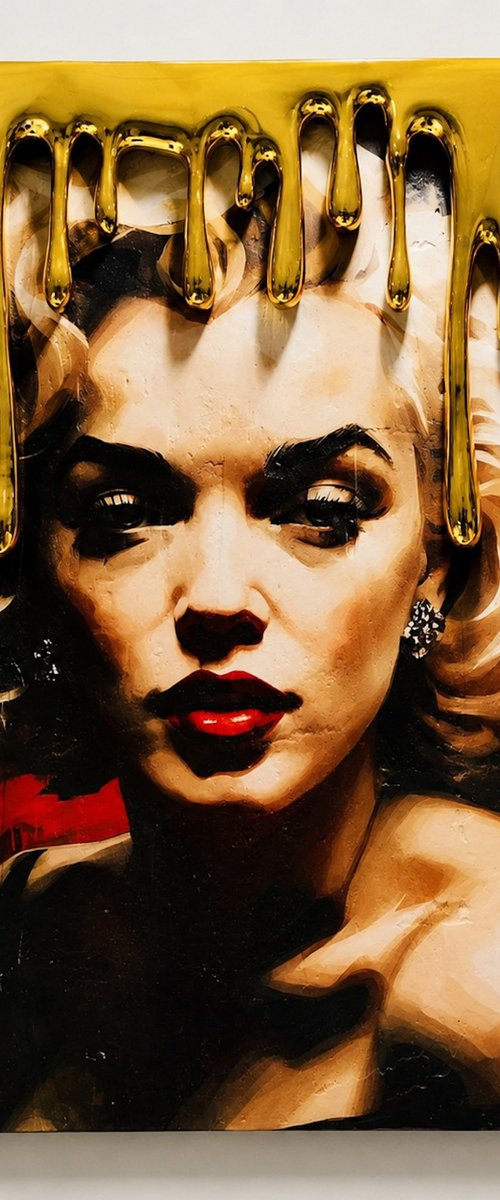
In each of his sculptures, Sagrasse embeds a fragment of humanity — a pulse of emotion kneaded into matter, like a breath suspended in time. His works do not merely occupy space; they inhabit it with a quiet intensity, as if each form carried within it a memory, a sensation, or an unspoken story waiting to be felt rather than understood.
Born in 1966 in Macerata, in Italy’s Marche region, Sagrasse has devoted more than three decades to the art of sculpture. This long-standing commitment is not only a testament to his technical mastery, but also to an unwavering fascination with material itself — its resistance, its fragility, its capacity to transform. Over the years, he has developed a visual language that is both contemporary and deeply human, rooted in an intuitive understanding of form and an emotional sensitivity that transcends aesthetics.
Sagrasse approaches sculpture as a dialogue between the visible and the invisible. His creations seem to emerge from an inner necessity rather than a predefined concept. Each piece is born from a gesture, a movement guided by instinct, which he then refines with precision until a delicate equilibrium is reached. This balance — between spontaneity and control, between raw energy and refined structure — is at the heart of his artistic identity.
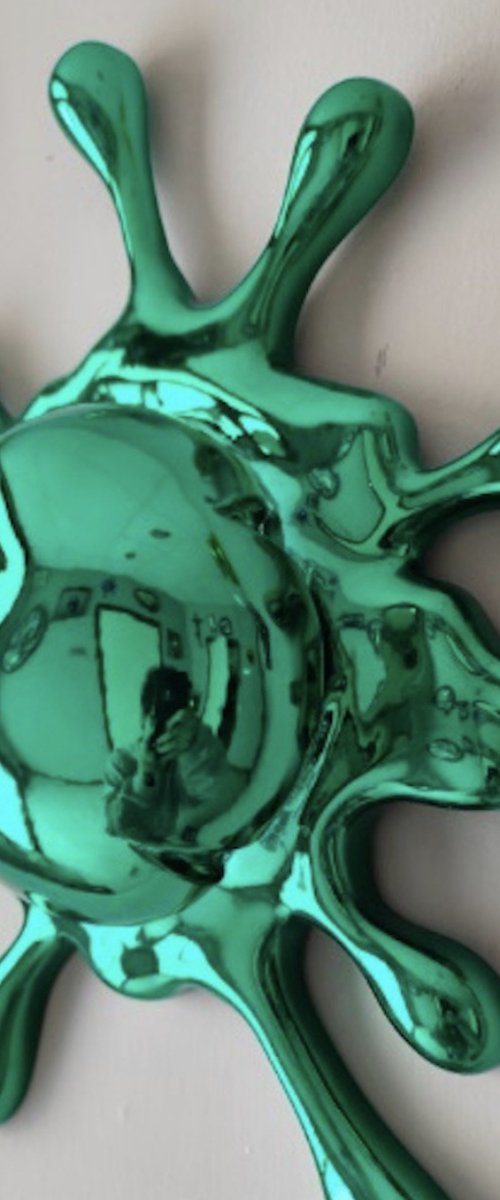
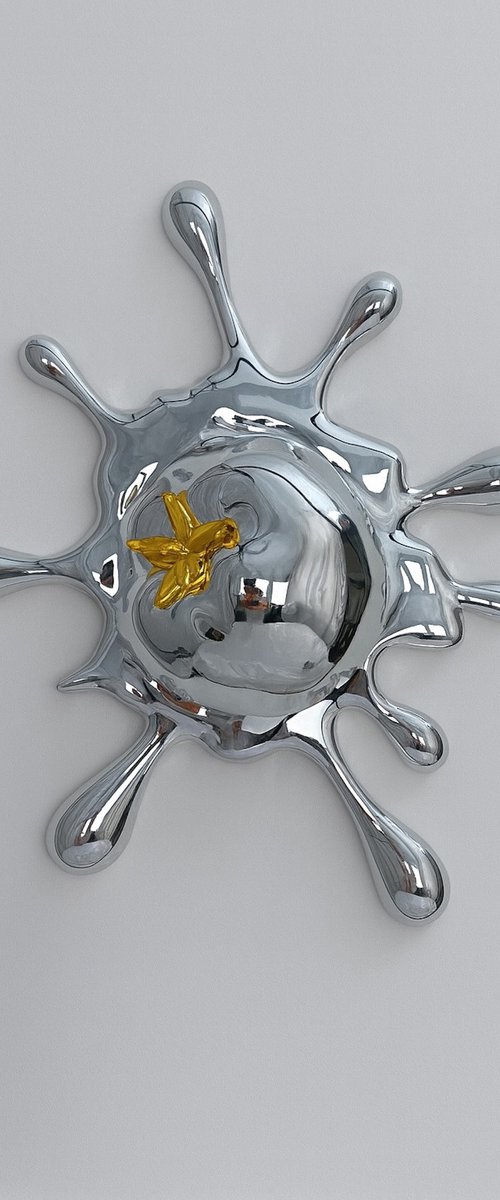
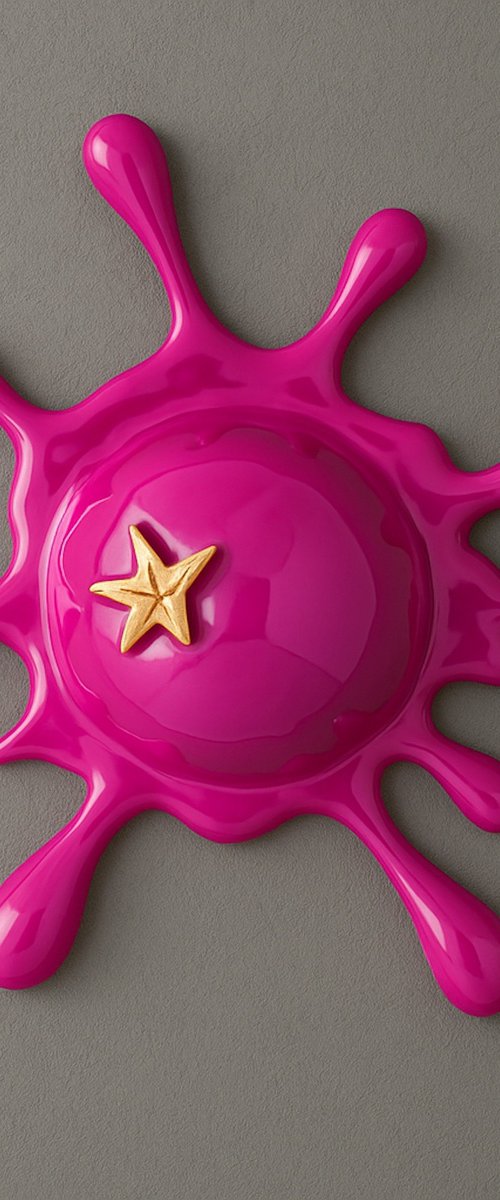
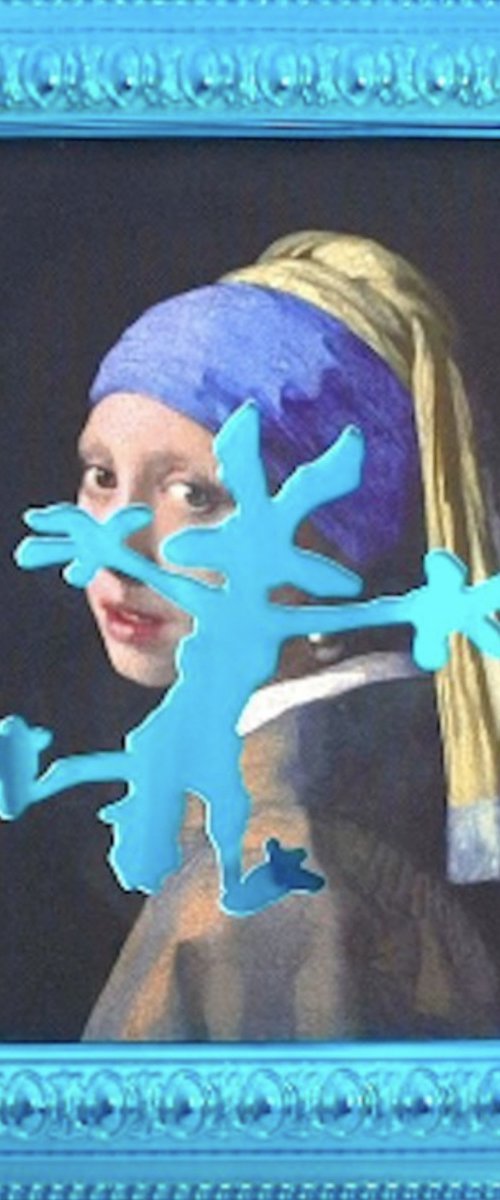
The surfaces of his sculptures often reveal traces of this process: textures that appear alive, contours that shift between softness and tension, volumes that suggest both presence and disappearance. There is a tactile dimension to his work that invites the viewer to imagine touch, to feel the weight of the material and the subtle vibrations contained within it. It is through this sensory engagement that Sagrasse’s sculptures truly come to life.
His artistic universe is not confined to representation, but rather explores the essence of human experience. Whether abstract or figurative, his forms evoke emotions that are universally recognizable — fragility, desire, introspection, or quiet strength. They resonate with something deeply personal, yet shared, creating a silent connection between the artwork and the viewer.
In a world often dominated by speed and immediacy, Sagrasse’s work offers a moment of pause. His sculptures ask us to slow down, to observe, to feel. They remind us that beneath the surface of things lies a deeper rhythm — one that speaks of time, memory, and the enduring presence of human emotion.
Through his practice, Sagrasse does not seek to impose meaning, but to open a space for contemplation. His sculptures become vessels of sensitivity, where matter is no longer inert, but inhabited — shaped not only by the artist’s hands, but by the invisible imprint of life itself.
Biography
In each of his sculptures, Sagrasse embeds a fragment of humanity — a pulse of emotion kneaded into matter, like a breath suspended in time. His works do not merely occupy space; they inhabit it with a quiet intensity, as if each form carried within it a memory, a sensation, or an unspoken story waiting to be felt rather than understood.
Born in 1966 in Macerata, in Italy’s Marche region, Sagrasse has devoted more than three decades to the art of sculpture. This long-standing commitment is not only a testament to his technical mastery, but also to an unwavering fascination with material itself — its resistance, its fragility, its capacity to transform. Over the years, he has developed a visual language that is both contemporary and deeply human, rooted in an intuitive understanding of form and an emotional sensitivity that transcends aesthetics.
Sagrasse approaches sculpture as a dialogue between the visible and the invisible. His creations seem to emerge from an inner necessity rather than a predefined concept. Each piece is born from a gesture, a movement guided by instinct, which he then refines with precision until a delicate equilibrium is reached. This balance — between spontaneity and control, between raw energy and refined structure — is at the heart of his artistic identity.
The surfaces of his sculptures often reveal traces of this process: textures that appear alive, contours that shift between softness and tension, volumes that suggest both presence and disappearance. There is a tactile dimension to his work that invites the viewer to imagine touch, to feel the weight of the material and the subtle vibrations contained within it. It is through this sensory engagement that Sagrasse’s sculptures truly come to life.
His artistic universe is not confined to representation, but rather explores the essence of human experience. Whether abstract or figurative, his forms evoke emotions that are universally recognizable — fragility, desire, introspection, or quiet strength. They resonate with something deeply personal, yet shared, creating a silent connection between the artwork and the viewer.
In a world often dominated by speed and immediacy, Sagrasse’s work offers a moment of pause. His sculptures ask us to slow down, to observe, to feel. They remind us that beneath the surface of things lies a deeper rhythm — one that speaks of time, memory, and the enduring presence of human emotion.
Through his practice, Sagrasse does not seek to impose meaning, but to open a space for contemplation. His sculptures become vessels of sensitivity, where matter is no longer inert, but inhabited — shaped not only by the artist’s hands, but by the invisible imprint of life itself.
There are no upcoming events
Events
There are no upcoming events