Main Navigation
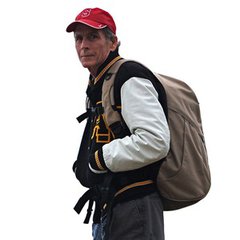

About James Cooper Images
Biography
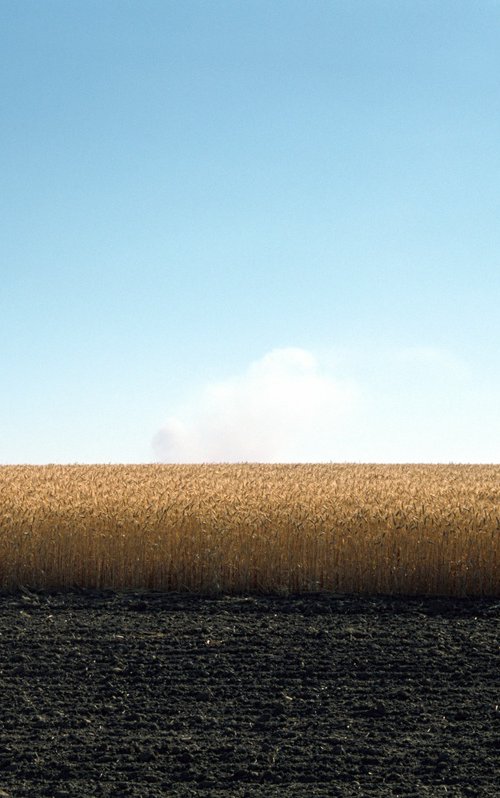
"A similar sense of calm informs James Cooper's three renderings of distant horizons. They manage to recall Hiroshi Sugimoto seascapes and color-field painting both."
Mark Feeney, arts writer, reviewer, and editor, Boston Globe
"In his unmanipulated, sweeping American landscapes - captured with transparency film - James Cooper's alluring compositions feature simple shapes and geometries with minimal detail, elevating his work into elegant abstract imagery."
Elin Spring, photography writer, What Will You Remember?
"Cooper's 'Surf Beach Station' is compelling.”
Daniella Walsh, art critic
"The
fact is that when one stands in front of one of James Cooper's works, one
wonders in this era of computer graphics, if his images have been manipulated.
The answer is no; they are unmanipulated.”
Antoinette Sullivan, Studio Gallery
About
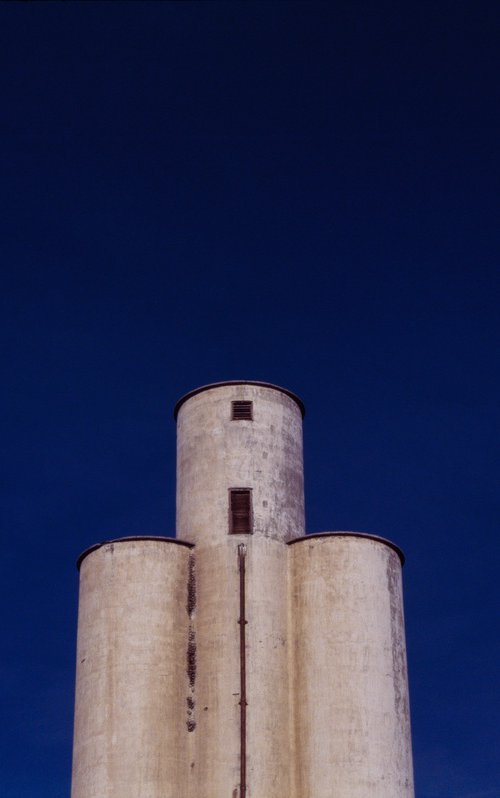
Suggestive of the American modernism Precisionism movement, the work is characterized by the reduction of compositions to simple shapes and underlying geometrical structures, with clear outlines, minimal detail, unexpected viewpoints and framing, and an emphasis on the abstract form of the subject.
American Precisionists focused on selecting subjects
from the American landscape and regional American culture. Many of the same
artists applied their new style to long-familiar American scenes, such as
agricultural structures and domestic architecture. Even such conventional
motifs as a still life of fruit or flowers were treated to a fresh assessment
in the Precisionist style. Their paintings, drawings, and prints also showed
the influence of recent work by American photographers such as Paul Strand.
The style is evident in Ellsworth Kelly's photographs, from 1950s through the 1980s of barns, their interlocking forms evoking the planes of his own paintings and sculptures. Central to many of these images are windows, roofs, and the shadows they cast. He explains that "[...] I'm not interested in the texture of the rock, or that it is a rock, but in the mass of it, and its shadow."
The connections between the Precisionist approach and
a wider social context were strong. One view was the utopian ideal of
technology bringing order to the modern world by enhancing the speed,
efficiency, and cleanliness of everyday life. The opposing view stressed the
dehumanizing effects of technology, warning that it would replace workers,
create pollution, and dominate the landscape in a destructive manner.
Occasionally, these two attitudes coexisted in an ambiguous tension within a
single work of art.
"Artist friends would say to me, snickering a
little, 'What can a camera do in making art. It is just a camera'. Then one of
them asks for help in making an image with a camera (a backlit telephone pole
with just the foot pegs lit). We made it, he showed it at Otis (College of Art
and Design) and people said 'Wow, that's cool'."
By using just a camera and film, and not altering the film image in printing a photograph, what kind of images can be made?
Really the image should be an experience - it should shift you. Maybe make you smile. Remember when you were a child how a simple little thing could galvanize your entire being - time stood still and you felt totally connected to the world - there was a feeling of total contentment? And, an image made with film has a certain feel to it.
The photographic image should be an accurate record of what the camera and film captured. A transparency film image processed through standard chemistry, with the absolute minimum disturbance of the captured image during the processing and finishing stages, is the paradigm for an unmanipulated image. So, just a camera and some film.
Biography
"A similar sense of calm informs James Cooper's three renderings of distant horizons. They manage to recall Hiroshi Sugimoto seascapes and color-field painting both."
Mark Feeney, arts writer, reviewer, and editor, Boston Globe
"In his unmanipulated, sweeping American landscapes - captured with transparency film - James Cooper's alluring compositions feature simple shapes and geometries with minimal detail, elevating his work into elegant abstract imagery."
Elin Spring, photography writer, What Will You Remember?
"Cooper's 'Surf Beach Station' is compelling.”
Daniella Walsh, art critic
"The
fact is that when one stands in front of one of James Cooper's works, one
wonders in this era of computer graphics, if his images have been manipulated.
The answer is no; they are unmanipulated.”
Antoinette Sullivan, Studio Gallery
About
Suggestive of the American modernism Precisionism movement, the work is characterized by the reduction of compositions to simple shapes and underlying geometrical structures, with clear outlines, minimal detail, unexpected viewpoints and framing, and an emphasis on the abstract form of the subject.
American Precisionists focused on selecting subjects
from the American landscape and regional American culture. Many of the same
artists applied their new style to long-familiar American scenes, such as
agricultural structures and domestic architecture. Even such conventional
motifs as a still life of fruit or flowers were treated to a fresh assessment
in the Precisionist style. Their paintings, drawings, and prints also showed
the influence of recent work by American photographers such as Paul Strand.
The style is evident in Ellsworth Kelly's photographs, from 1950s through the 1980s of barns, their interlocking forms evoking the planes of his own paintings and sculptures. Central to many of these images are windows, roofs, and the shadows they cast. He explains that "[...] I'm not interested in the texture of the rock, or that it is a rock, but in the mass of it, and its shadow."
The connections between the Precisionist approach and
a wider social context were strong. One view was the utopian ideal of
technology bringing order to the modern world by enhancing the speed,
efficiency, and cleanliness of everyday life. The opposing view stressed the
dehumanizing effects of technology, warning that it would replace workers,
create pollution, and dominate the landscape in a destructive manner.
Occasionally, these two attitudes coexisted in an ambiguous tension within a
single work of art.
"Artist friends would say to me, snickering a
little, 'What can a camera do in making art. It is just a camera'. Then one of
them asks for help in making an image with a camera (a backlit telephone pole
with just the foot pegs lit). We made it, he showed it at Otis (College of Art
and Design) and people said 'Wow, that's cool'."
By using just a camera and film, and not altering the film image in printing a photograph, what kind of images can be made?
Really the image should be an experience - it should shift you. Maybe make you smile. Remember when you were a child how a simple little thing could galvanize your entire being - time stood still and you felt totally connected to the world - there was a feeling of total contentment? And, an image made with film has a certain feel to it.
The photographic image should be an accurate record of what the camera and film captured. A transparency film image processed through standard chemistry, with the absolute minimum disturbance of the captured image during the processing and finishing stages, is the paradigm for an unmanipulated image. So, just a camera and some film.
Awards
2023
Honorable Mention - The 19th Pollux Awards
The 19th Pollux Awards, international juried group exhibition, juried by Stephen Perloff, Founder and editor of The Photo Review and editor of The Photograph Collector, Langhorne, PA, and Julio HirschHardy, Curator, Founder, and Director of FotoNostrum Gallery and publisher of FotoNostrum Magazine, Barcelona, Spain. Honorable Mention in the Fine Art category for the Agriculture Series, 2023.
Show more awardsAwards
2023
Honorable Mention - The 19th Pollux Awards
The 19th Pollux Awards, international juried group exhibition, juried by Stephen Perloff, Founder and editor of The Photo Review and editor of The Photograph Collector, Langhorne, PA, and Julio HirschHardy, Curator, Founder, and Director of FotoNostrum Gallery and publisher of FotoNostrum Magazine, Barcelona, Spain. Honorable Mention in the Fine Art category for the Agriculture Series, 2023.
Show more awardsThere are no upcoming events
Show previous eventsEvents
There are no upcoming events
Show previous events