- Florina Breazu
- All Artworks
- Emperor and proletarian

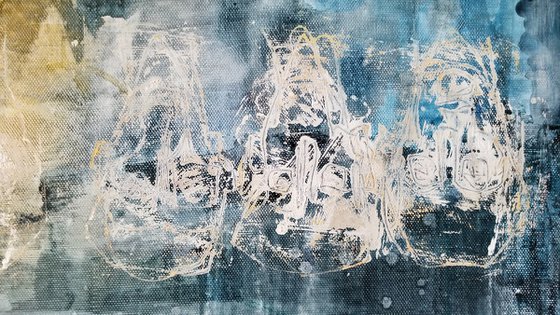
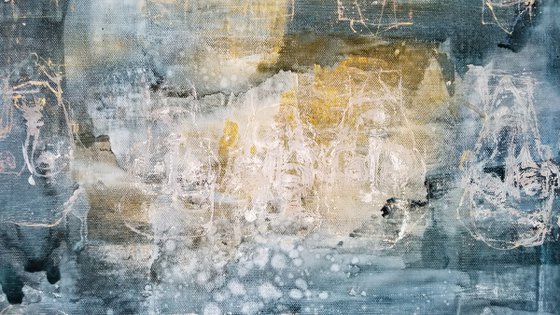
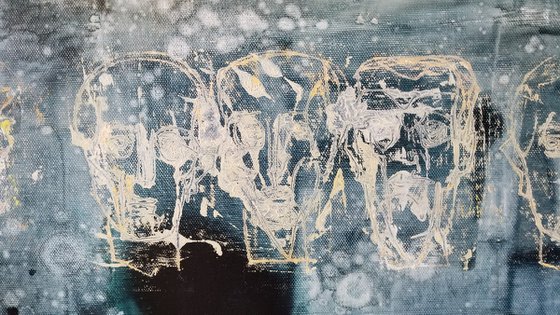
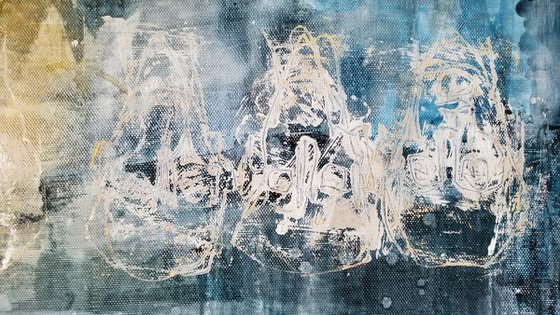
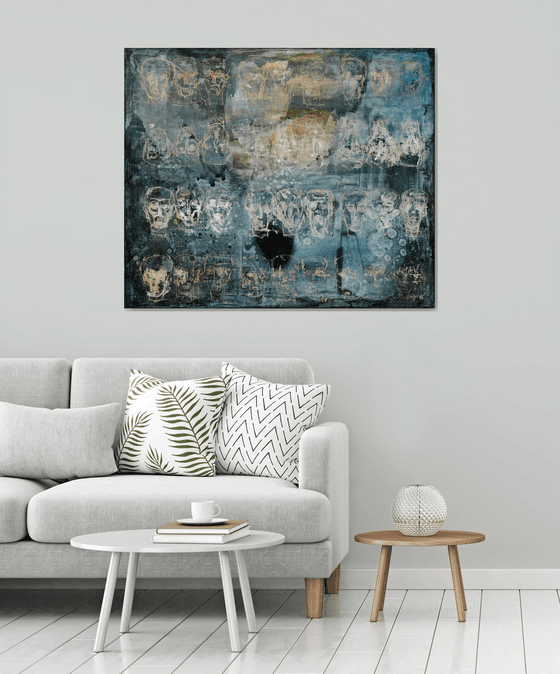
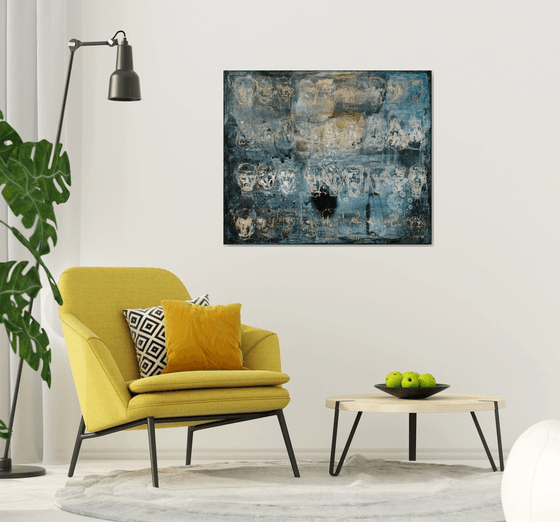
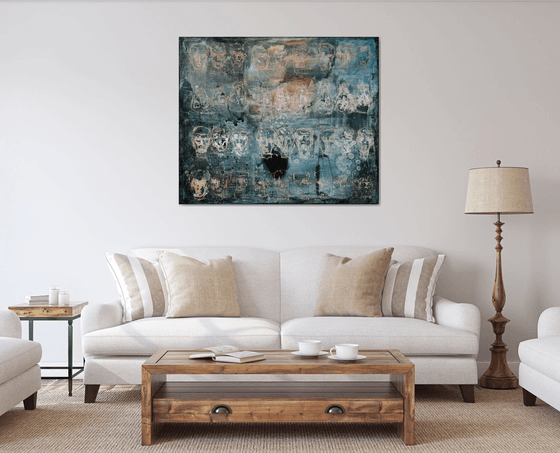
Emperor and proletarian (2018) Original Oil Painting by Florina Breazu
119.5 x 100 x 4cm (unframed) / 119.5 x 100cm (actual image size)
£3,000
Original artwork description
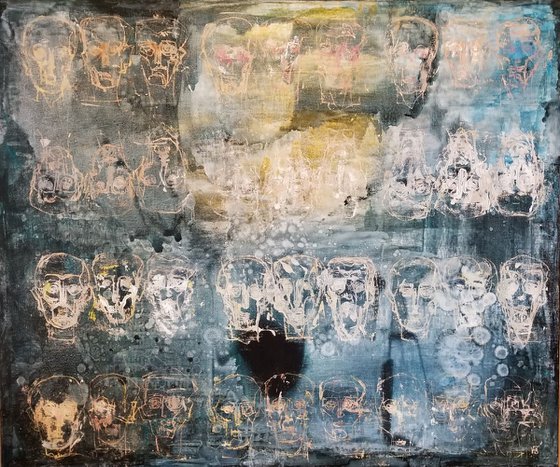
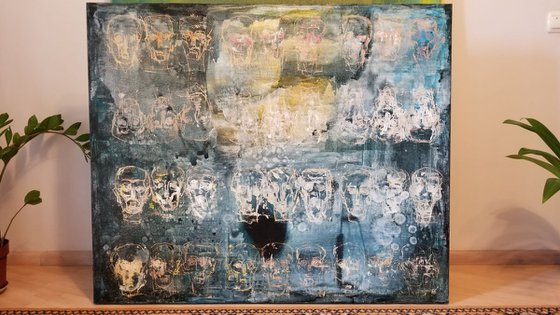
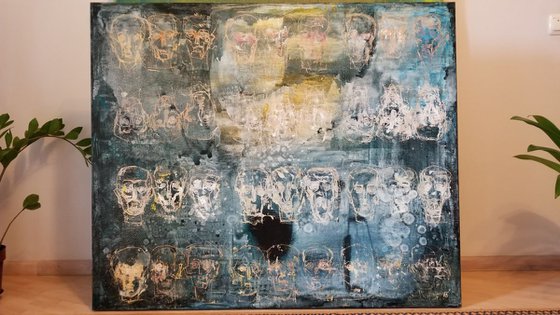
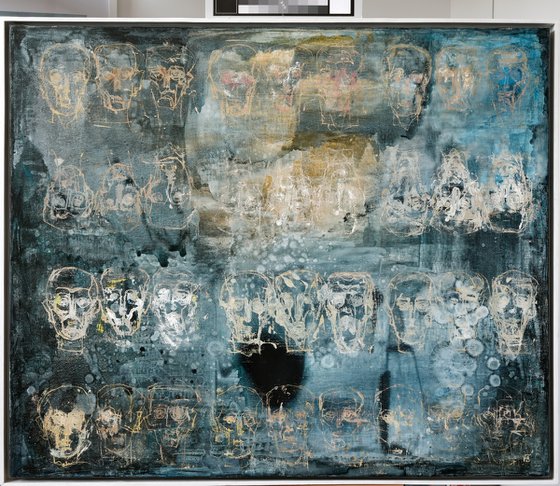
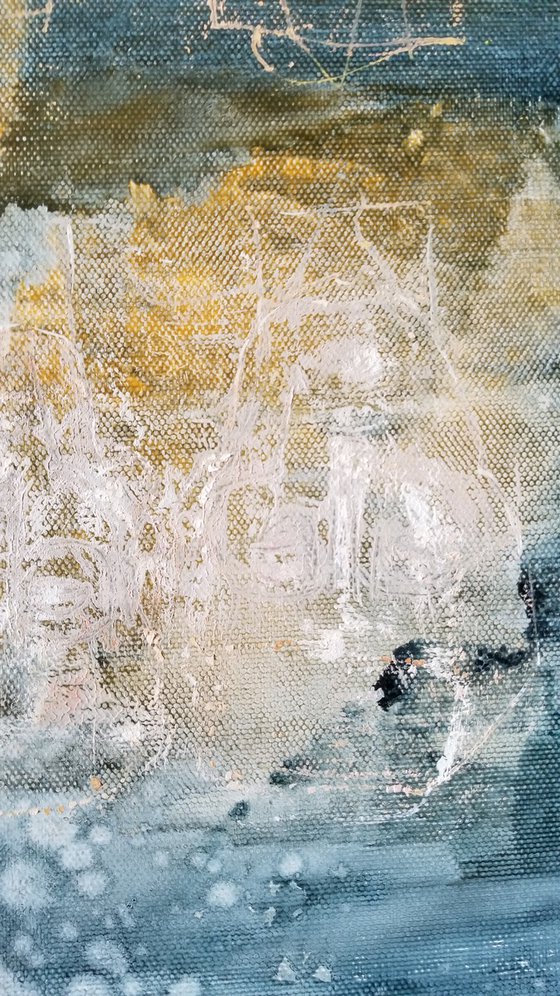
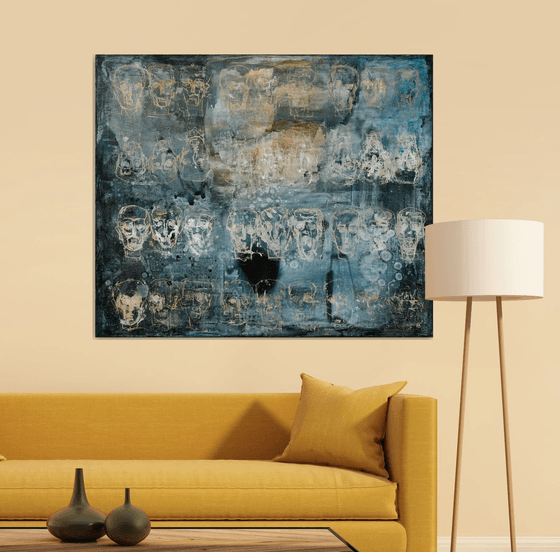
The Empire and Proletarian work is inspired by the poetry with the same name of Romanian poet Mihai Eminescu and represents a series of skilful skeletal faces. The dialogue between presence and absence, between the visible and the volatile, translates into visual language the tension the poet reveals between social classes — and the idea that, in the face of destiny, all differences dissolve. The skeletal, repetitive, almost serialized faces become a metaphor for a humanity stripped of privilege in the presence of death, marking the profound unity of the human condition.
Thus, the artwork does not literally illustrate the poem but continues it on another plane: it transforms Eminescu’s social and philosophical discourse into a visual meditation on anonymity, memory, suffering, and existential fragility — a direct confrontation with what remains when all distinctions disappear.
Materials used:
Oil
Details:
- Oil painting on Canvas
- One of a kind artwork
- Size: 119.5 x 100 x 4cm (unframed) / 119.5 x 100cm (actual image size)
- Signed on the back
- Style: Expressive and gestural
- Subject: People and portraits
Tags:
#blue#expressionism#white#abstract expressionism#face#portret#ohrid Free returns
14 day money back guaranteeLearn more
Original artwork description
The Empire and Proletarian work is inspired by the poetry with the same name of Romanian poet Mihai Eminescu and represents a series of skilful skeletal faces. The dialogue between presence and absence, between the visible and the volatile, translates into visual language the tension the poet reveals between social classes — and the idea that, in the face of destiny, all differences dissolve. The skeletal, repetitive, almost serialized faces become a metaphor for a humanity stripped of privilege in the presence of death, marking the profound unity of the human condition.
Thus, the artwork does not literally illustrate the poem but continues it on another plane: it transforms Eminescu’s social and philosophical discourse into a visual meditation on anonymity, memory, suffering, and existential fragility — a direct confrontation with what remains when all distinctions disappear.
Materials used:
Oil
Details:
- Oil painting on Canvas
- One of a kind artwork
- Size: 119.5 x 100 x 4cm (unframed) / 119.5 x 100cm (actual image size)
- Signed on the back
- Style: Expressive and gestural
- Subject: People and portraits
Tags:
#blue#expressionism#white#abstract expressionism#face#portret#ohrid
Florina Breazu
Moldova
About
Florina Breazu is one of the best art critics in Romania and beyond. His pictorial qualities do not continue, as at first glance one might think, theorizing and fitting into... Read more