- Lena Okamoto
- All Artworks
- Cranes through Generations (Kimono)
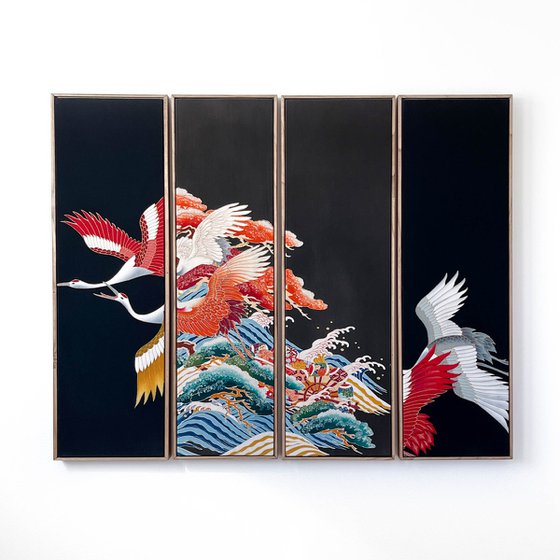
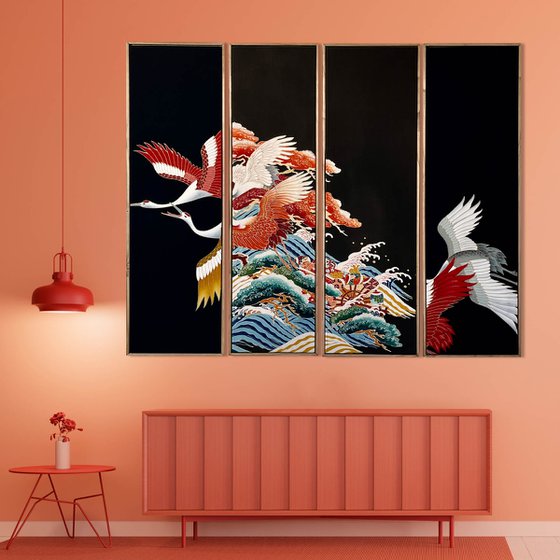
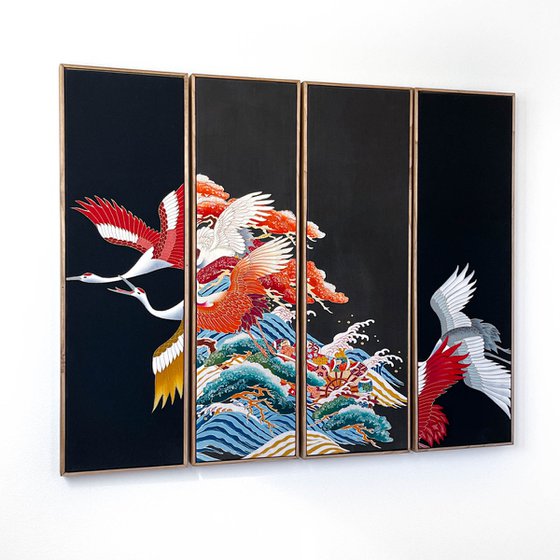
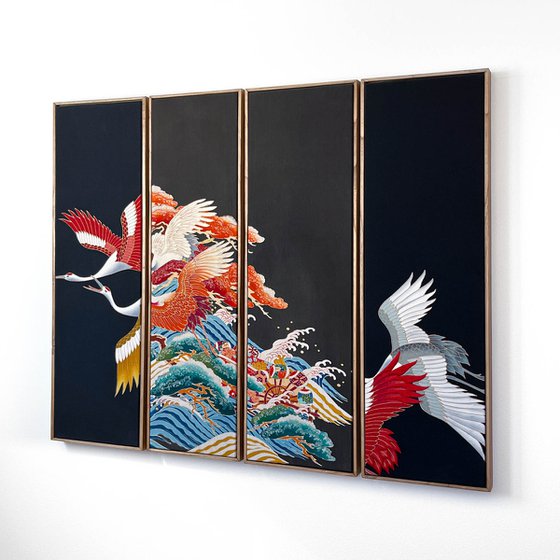
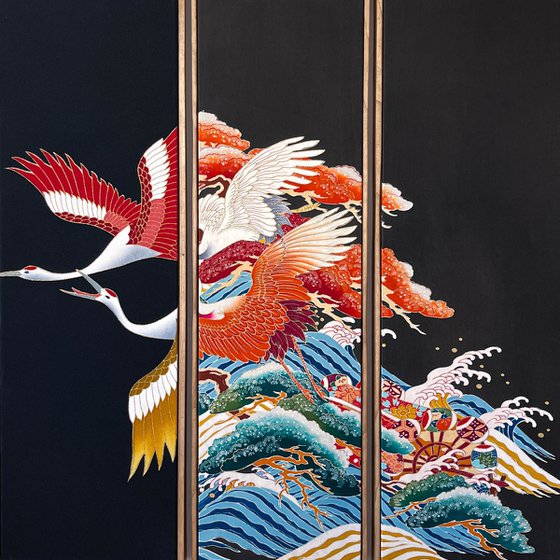
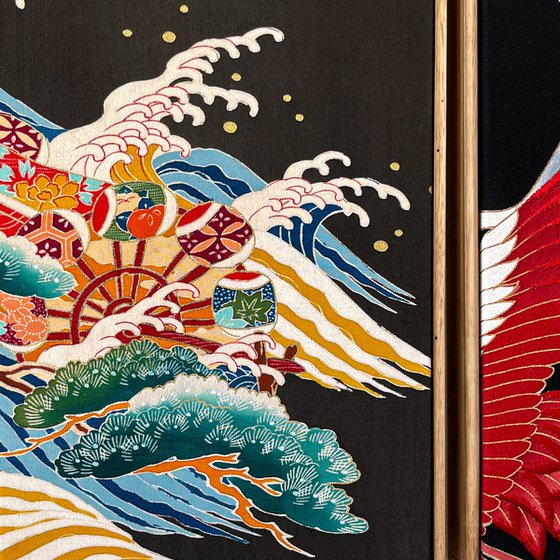
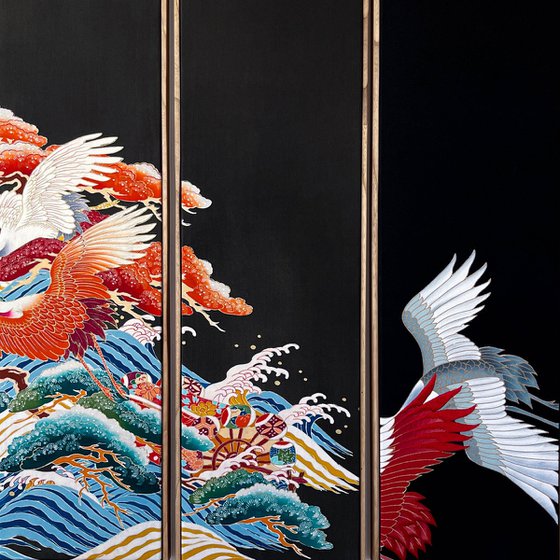
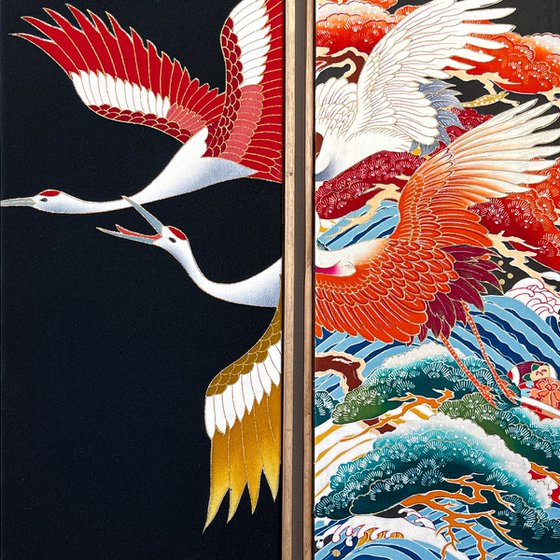
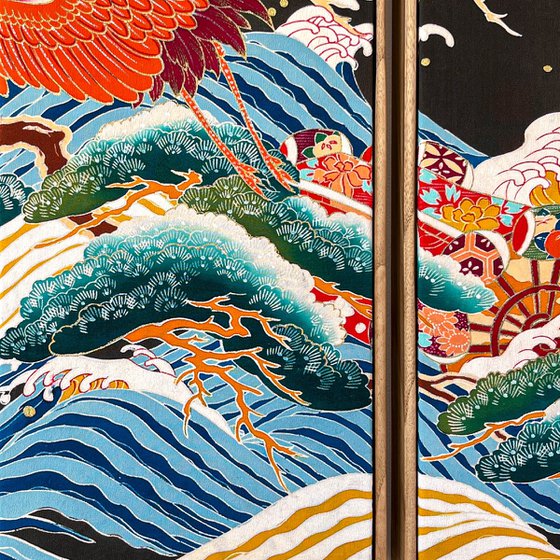
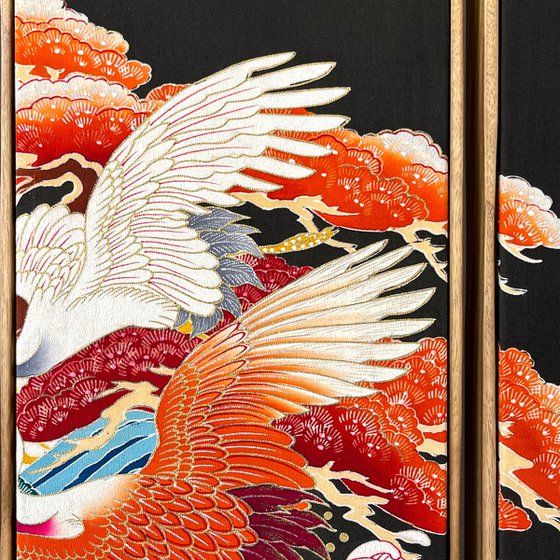
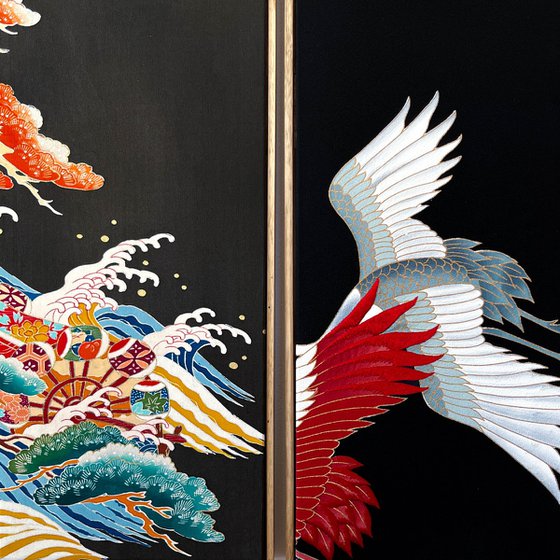
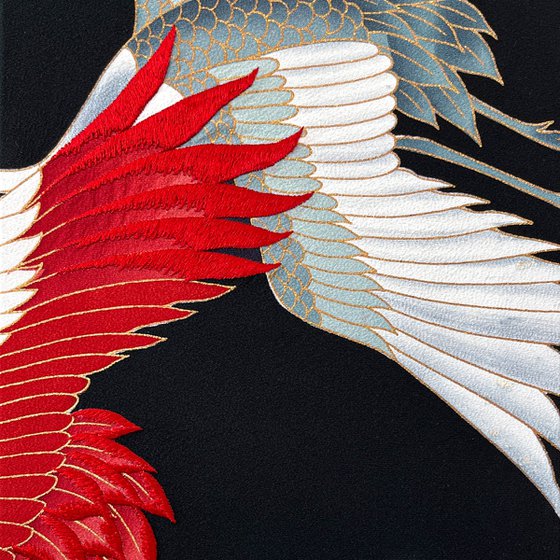
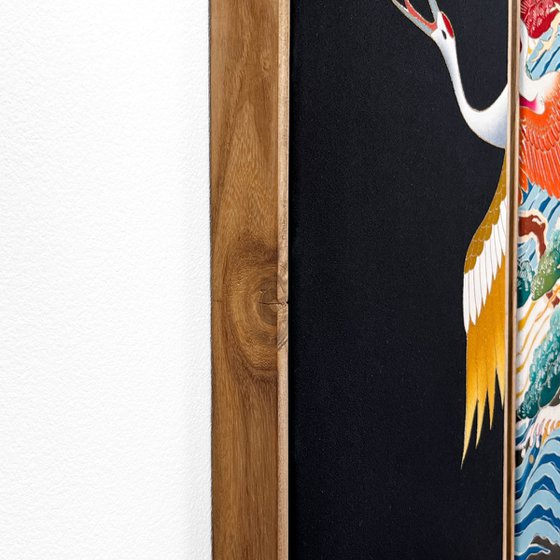
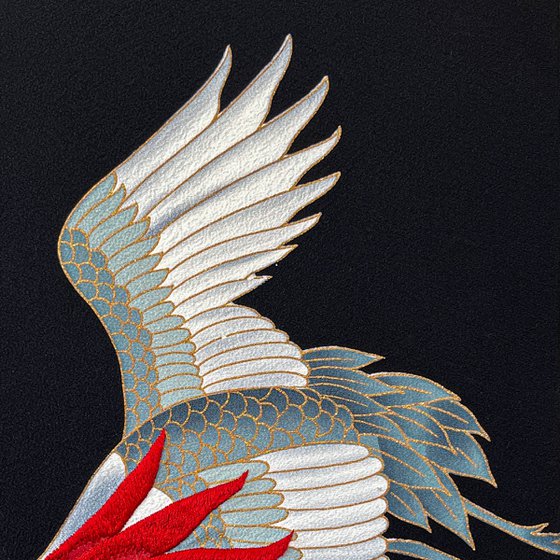
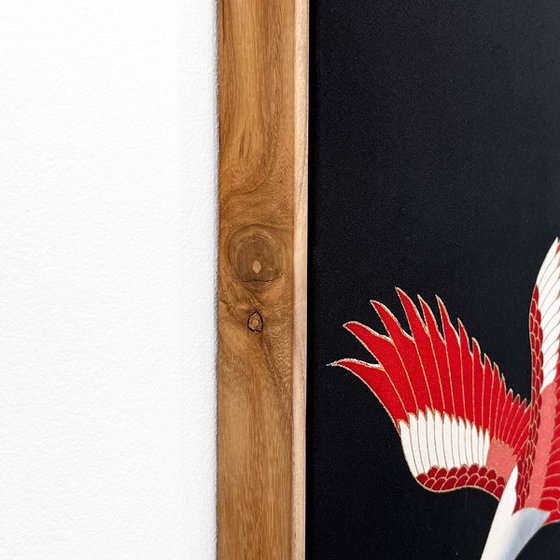
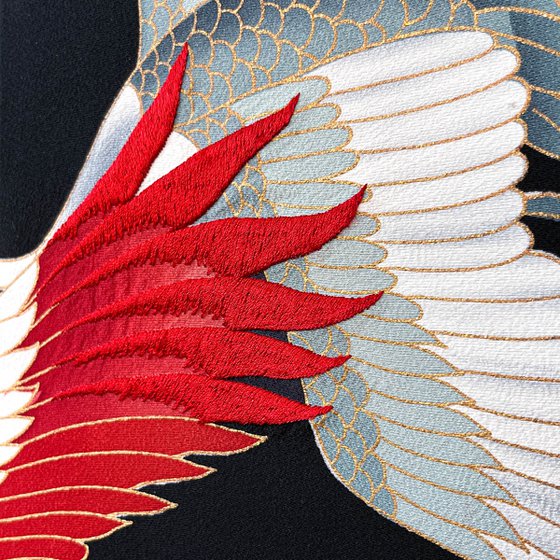
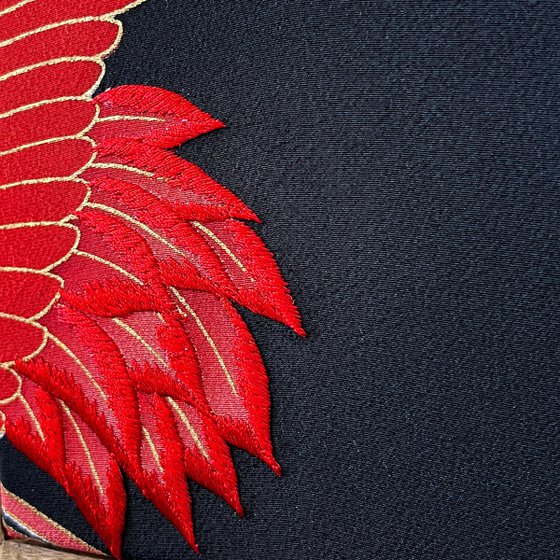
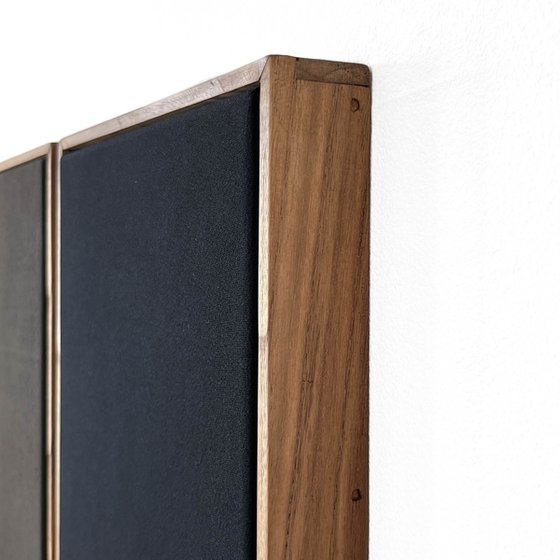
Cranes through Generations (Kimono) (2024) Original Mixed-media Painting by Lena Okamoto
100 x 90 x 4cm (framed)
£3,111.17Sold
Do you like this artwork?
This artwork has sold, but the artist is accepting commission requests. Commissioning an artwork is easy and you get a perfectly personalised piece.
Original artwork description
Certified Kimono Meister work / Certificate of Authenticity included.
One-of-a-kind Japanese textile art made from vintage kimono fabrics.
[Size]
approx. 90cm x 100cm x 4cm
[Materials]
silk (outside-layer) , paulownia (wooden frame)
[Story behind the work]
This work uses two different antique tomesode (festive kind of kimono) both with cranes design. It’s symbolic that one piece (two in the middle) is from early Taisho era (1910ies), while the second is from mid Showa (1950ies), and connecting them in this art piece symbolizes connection between the generations.
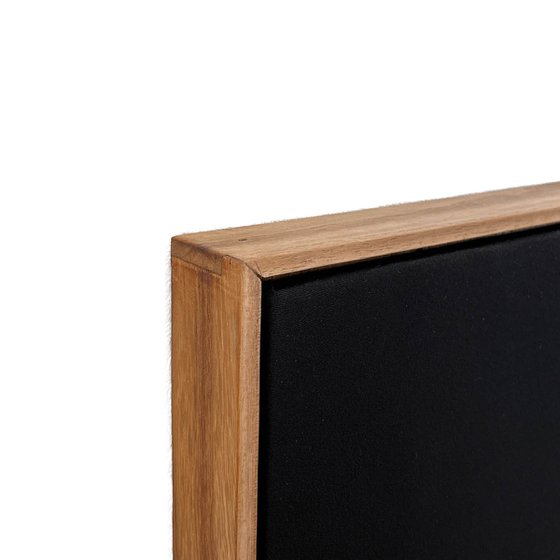
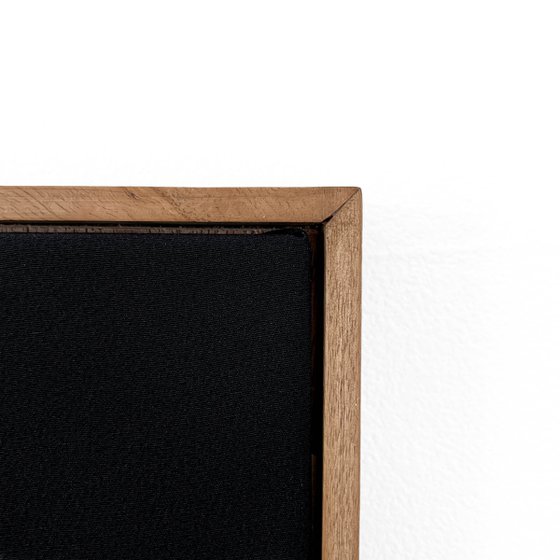
It is elegantly framed with paulownia wood originally used for kimono chest-of-drawers, and is filled with storytelling and sense of luxury.
I used pieces of kimono that could no longer be used as clothing and kiritansu chest-of-drawers that would normally be discarded to create the ultimate upcycled piece.
[Explanation of colors and patterns]
The Japanese saying goes, "A crane lives a thousand years, a tortoise lives ten thousand years," making cranes a symbol of longevity.
Cranes are also known for staying with the same partner for their entire lives, which is why they are often used at weddings and other celebrations to symbolize "marital bliss" and the desire for harmony between husband and wife.
The color scarlet, or deeply dyed red, used for the most of the cranes here, has long been associated with the meaning of "warding off evil." It is believed to possess the power to repel malevolent forces and invite good fortune.
During the Heian period (794-1185), scarlet was reserved for sacred buildings and ceremonial objects that held great significance. Ordinary people were prohibited from wearing scarlet-red kimonos, which made it a highly special color.
[About the frame]
Kiritansu - chest-of-drawers for kimono, is traditionally made from paulownia wood, a uniquely Japanese material closely tied to the world of kimonos.
Paulownia wood is known as the lightest wood in Japan, prased for its natural luster, resistance to moisture, and resilience against cracking. Since ancient times, it has been used in crafting furniture, chests, and musical instruments.
During the Edo period, it became customary to store cherished kimonos in paulownia chests, which offered fire resistance and protection from moisture and insects.
Traditionally, when a daughter was born, a paulownia tree would be planted. Upon her marriage, the tree would be cut down, and the wood would be used to craft a chest for her as a wedding gift.
Following the Ansei Earthquake during the late Edo period in 1855, paulownia chests gained popularity due to their ability to withstand fires and even float in water, thereby safeguarding their contents during floods.
I use antique kiritansu that can’t be used as furniture anymore to create basis and frames for my works. It adds them even more authentic atmosphere of traditional wabisabi spirit. Can you feel it?
[Decoration Advice]
Canvas can be displayed on a table, wall, etc. Hanging on a wall requires hooks, tacks or nails. It can also be displayed propped up on an easel. Ideal for a room makeover, housewarming gift, present, or souvenir for a loved one.
[Precaution]
All the works are made from real kimonos, antiques and vintages. For this reason, the fabric may have traces of long-term use and minor fabric damages.
Materials used:
antique silk, antique paulownia wood
Details:
- Mixed-media painting on Other
- One of a kind artwork
- Size: 100 x 90 x 4cm (framed)
- Framed and ready to hang
- Signed certificate of authenticity
- Style: Unspecified
- Subject: Abstract and non-figurative
 Free returns
14 day money back guaranteeLearn more
Original artwork description
Certified Kimono Meister work / Certificate of Authenticity included.
One-of-a-kind Japanese textile art made from vintage kimono fabrics.
[Size]
approx. 90cm x 100cm x 4cm
[Materials]
silk (outside-layer) , paulownia (wooden frame)
[Story behind the work]
This work uses two different antique tomesode (festive kind of kimono) both with cranes design. It’s symbolic that one piece (two in the middle) is from early Taisho era (1910ies), while the second is from mid Showa (1950ies), and connecting them in this art piece symbolizes connection between the generations.
It is elegantly framed with paulownia wood originally used for kimono chest-of-drawers, and is filled with storytelling and sense of luxury.
I used pieces of kimono that could no longer be used as clothing and kiritansu chest-of-drawers that would normally be discarded to create the ultimate upcycled piece.
[Explanation of colors and patterns]
The Japanese saying goes, "A crane lives a thousand years, a tortoise lives ten thousand years," making cranes a symbol of longevity.
Cranes are also known for staying with the same partner for their entire lives, which is why they are often used at weddings and other celebrations to symbolize "marital bliss" and the desire for harmony between husband and wife.
The color scarlet, or deeply dyed red, used for the most of the cranes here, has long been associated with the meaning of "warding off evil." It is believed to possess the power to repel malevolent forces and invite good fortune.
During the Heian period (794-1185), scarlet was reserved for sacred buildings and ceremonial objects that held great significance. Ordinary people were prohibited from wearing scarlet-red kimonos, which made it a highly special color.
[About the frame]
Kiritansu - chest-of-drawers for kimono, is traditionally made from paulownia wood, a uniquely Japanese material closely tied to the world of kimonos.
Paulownia wood is known as the lightest wood in Japan, prased for its natural luster, resistance to moisture, and resilience against cracking. Since ancient times, it has been used in crafting furniture, chests, and musical instruments.
During the Edo period, it became customary to store cherished kimonos in paulownia chests, which offered fire resistance and protection from moisture and insects.
Traditionally, when a daughter was born, a paulownia tree would be planted. Upon her marriage, the tree would be cut down, and the wood would be used to craft a chest for her as a wedding gift.
Following the Ansei Earthquake during the late Edo period in 1855, paulownia chests gained popularity due to their ability to withstand fires and even float in water, thereby safeguarding their contents during floods.
I use antique kiritansu that can’t be used as furniture anymore to create basis and frames for my works. It adds them even more authentic atmosphere of traditional wabisabi spirit. Can you feel it?
[Decoration Advice]
Canvas can be displayed on a table, wall, etc. Hanging on a wall requires hooks, tacks or nails. It can also be displayed propped up on an easel. Ideal for a room makeover, housewarming gift, present, or souvenir for a loved one.
[Precaution]
All the works are made from real kimonos, antiques and vintages. For this reason, the fabric may have traces of long-term use and minor fabric damages.
Materials used:
antique silk, antique paulownia wood
Details:
- Mixed-media painting on Other
- One of a kind artwork
- Size: 100 x 90 x 4cm (framed)
- Framed and ready to hang
- Signed certificate of authenticity
- Style: Unspecified
- Subject: Abstract and non-figurative