Biography
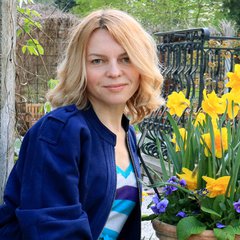
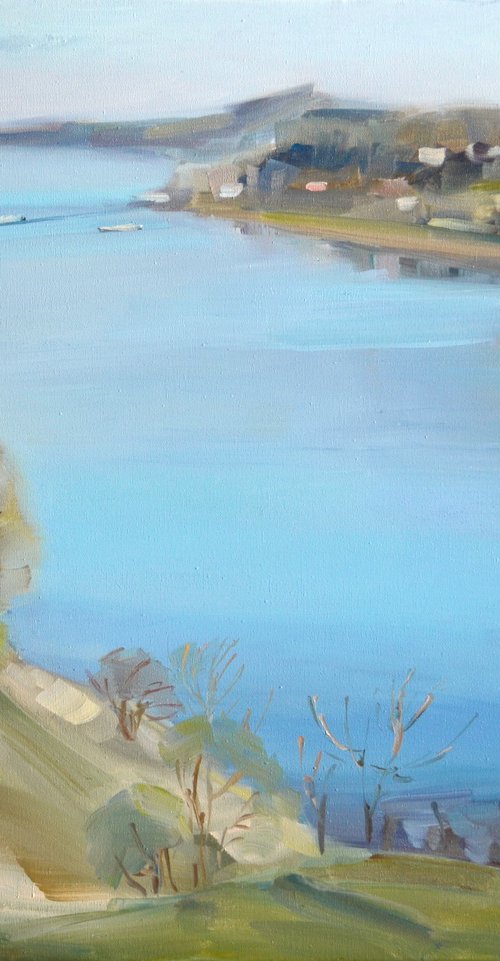
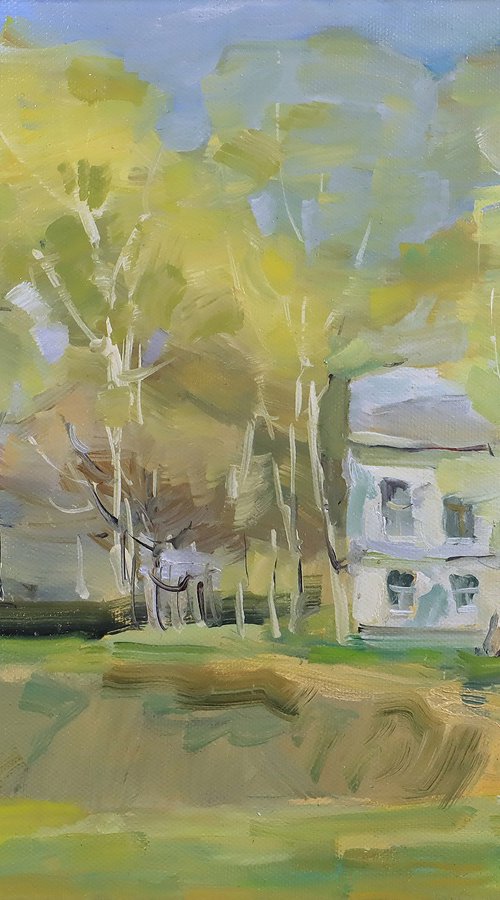
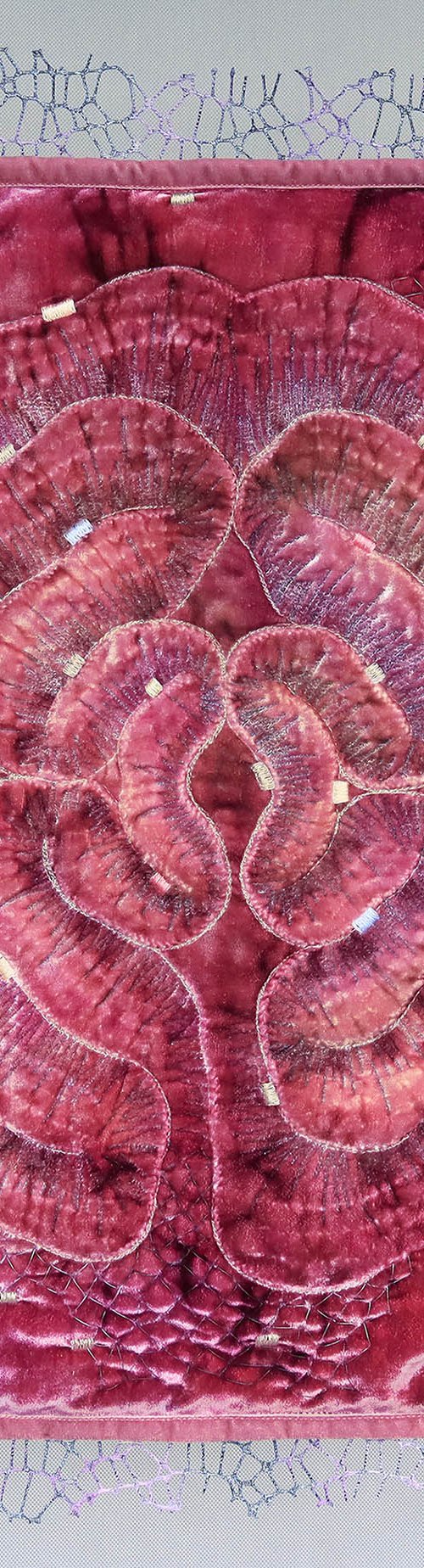
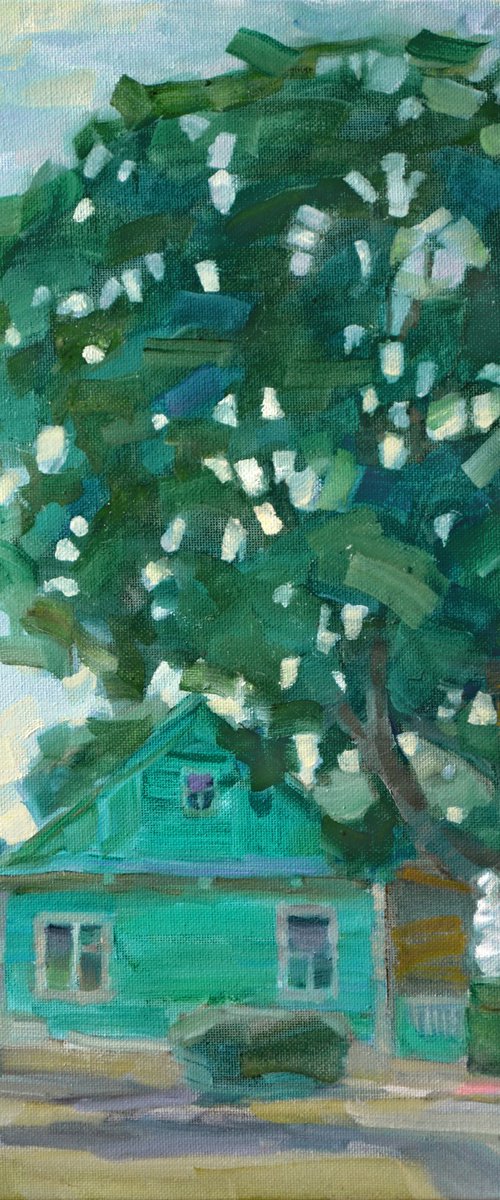
Victoria Alferonok (b. 1977, Belarus) is a Belarusian multidisciplinary
artist working across painting, textiles, and sculptural objects. She
graduated from the Art and Graphic Faculty of Vitebsk State University
named after P. M. Masherov in 1999.
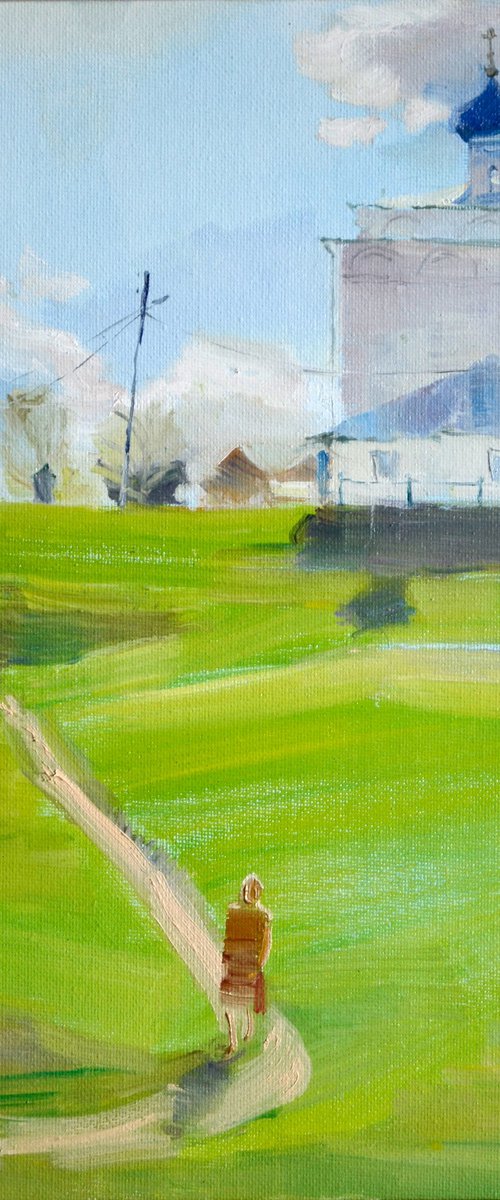
Her artistic practice
explores fragility, empathy, transformation, and the relationship
between human experience and the natural world. Recurring themes of
memory, home, and inner resilience emerge through her attentive
observation of landscapes, people, and the quiet transformations of
nature. Through these different media, she reflects on a shared
question: how people preserve a sense of home, the capacity for renewal,
and an inner light during times of change.
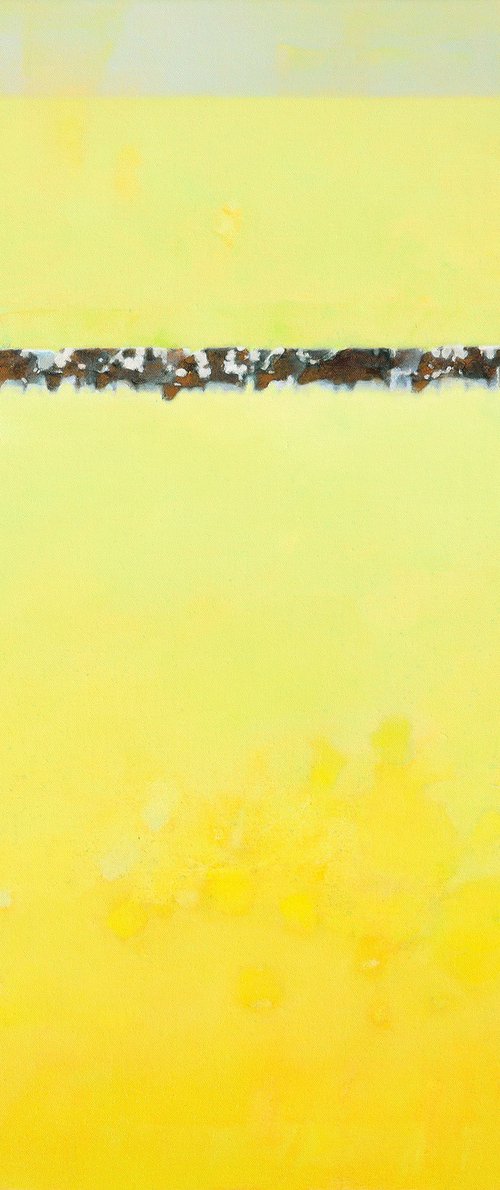
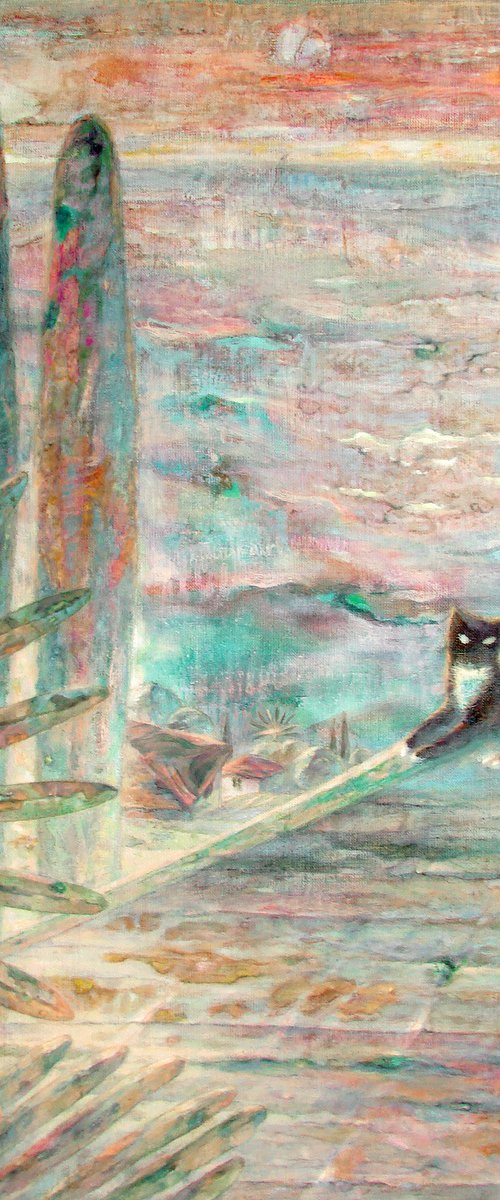
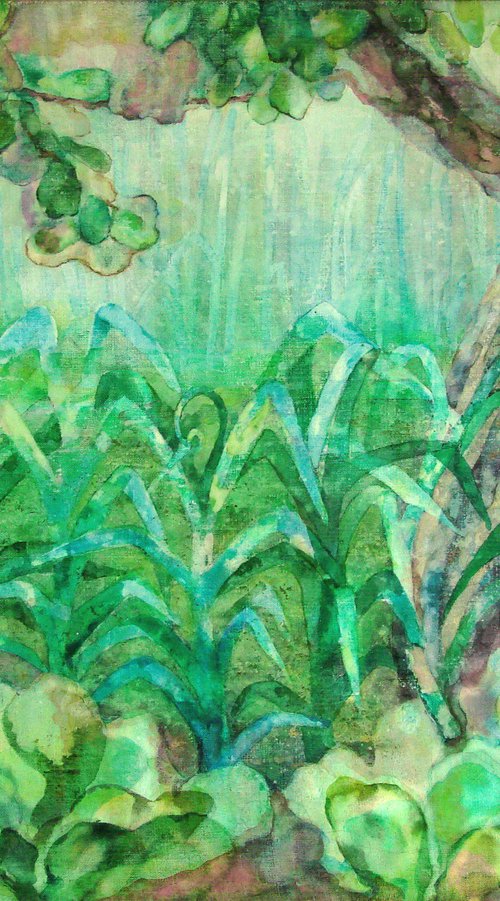
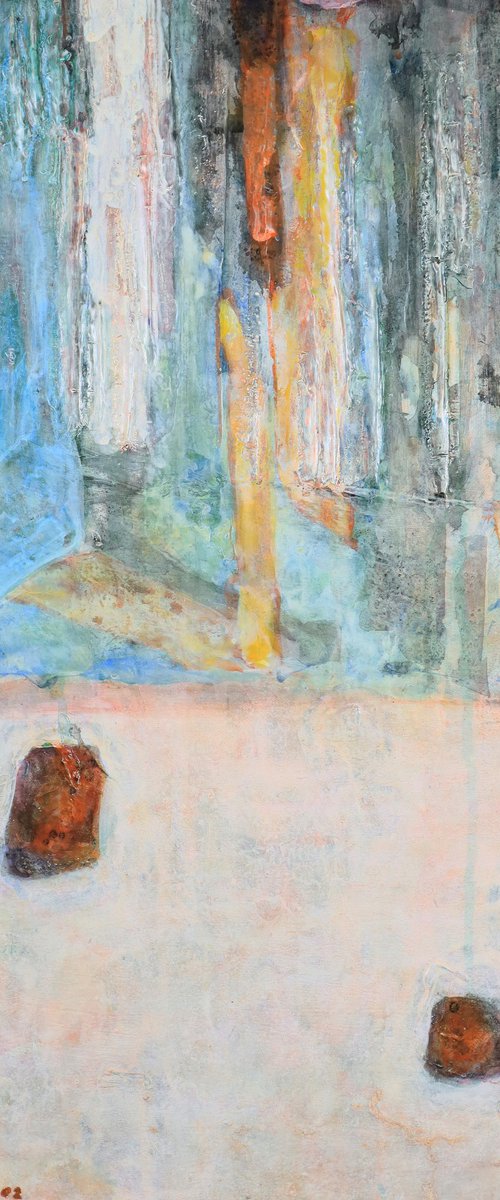
Many of her works
begin with close observation of natural phenomena—light, water, plant
structures, weathered surfaces, and the traces of time. These elements
become metaphors for emotional states, the passage of time, and the
subtle relationships between people, nature, and place.
She sees
art as a place of quiet dialogue, where each viewer can bring their own
memories, emotions, and experiences. Through delicate shifts of light,
color, and material, her works encourage a slower way of looking—one
that allows a renewed sense of wonder, presence, and connection with the
world around us.
Biography
Victoria Alferonok (b. 1977, Belarus) is a Belarusian multidisciplinary
artist working across painting, textiles, and sculptural objects. She
graduated from the Art and Graphic Faculty of Vitebsk State University
named after P. M. Masherov in 1999.
Her artistic practice
explores fragility, empathy, transformation, and the relationship
between human experience and the natural world. Recurring themes of
memory, home, and inner resilience emerge through her attentive
observation of landscapes, people, and the quiet transformations of
nature. Through these different media, she reflects on a shared
question: how people preserve a sense of home, the capacity for renewal,
and an inner light during times of change.
Many of her works
begin with close observation of natural phenomena—light, water, plant
structures, weathered surfaces, and the traces of time. These elements
become metaphors for emotional states, the passage of time, and the
subtle relationships between people, nature, and place.
She sees
art as a place of quiet dialogue, where each viewer can bring their own
memories, emotions, and experiences. Through delicate shifts of light,
color, and material, her works encourage a slower way of looking—one
that allows a renewed sense of wonder, presence, and connection with the
world around us.