Main Navigation





About Irmantė Sviensienė
Biography
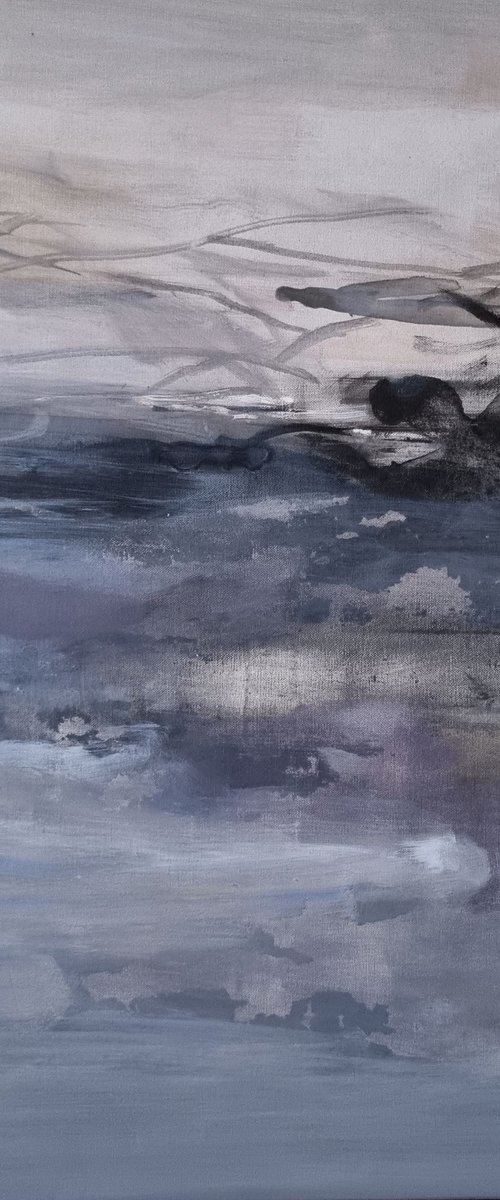
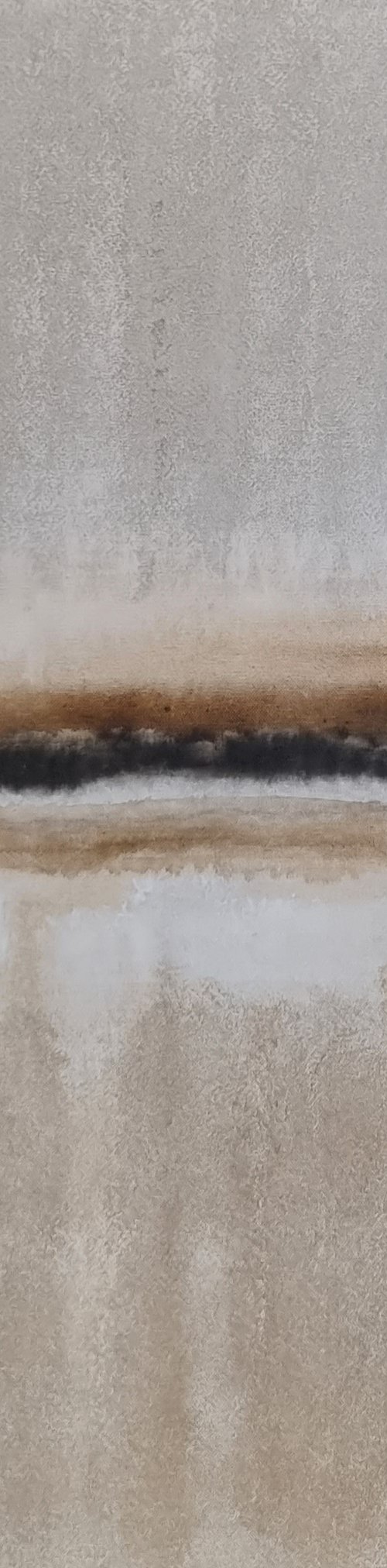
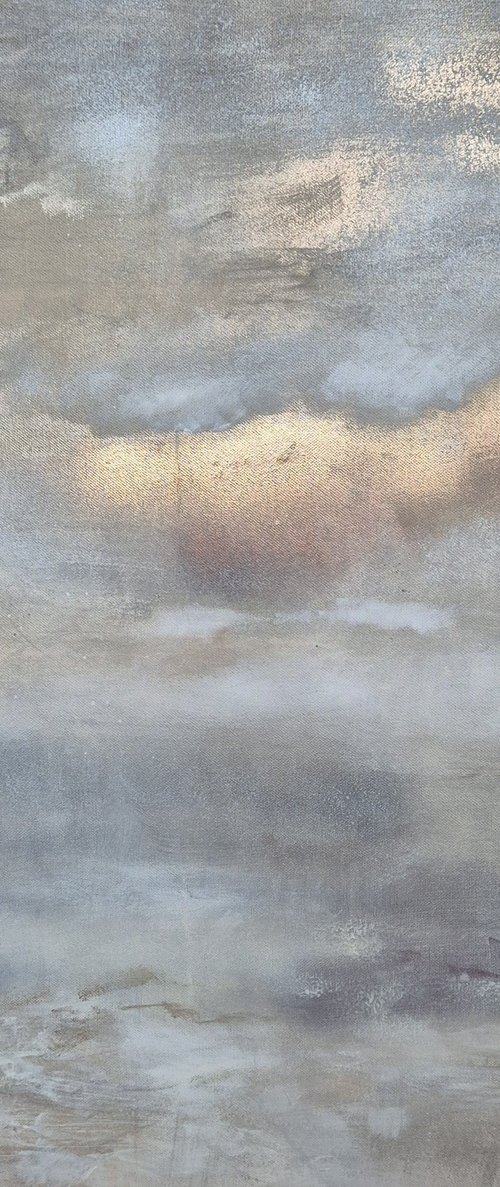
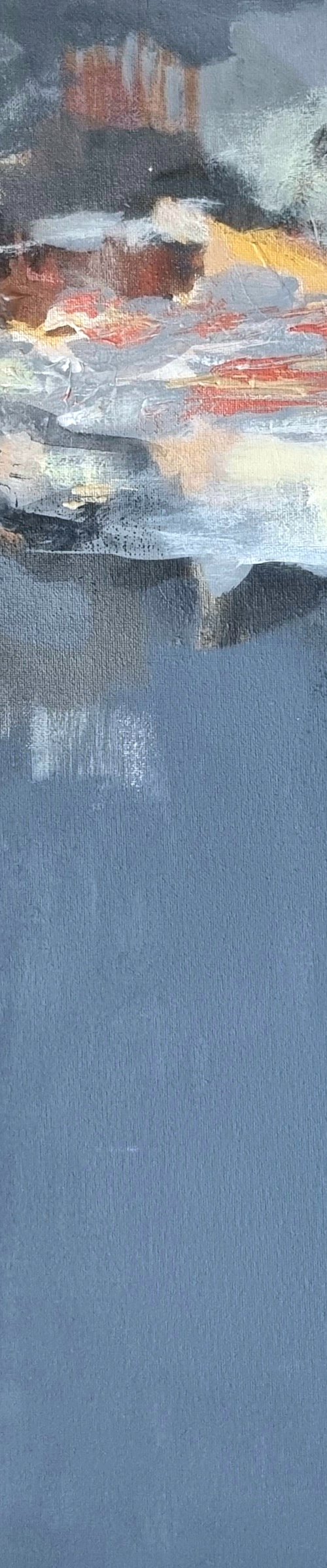
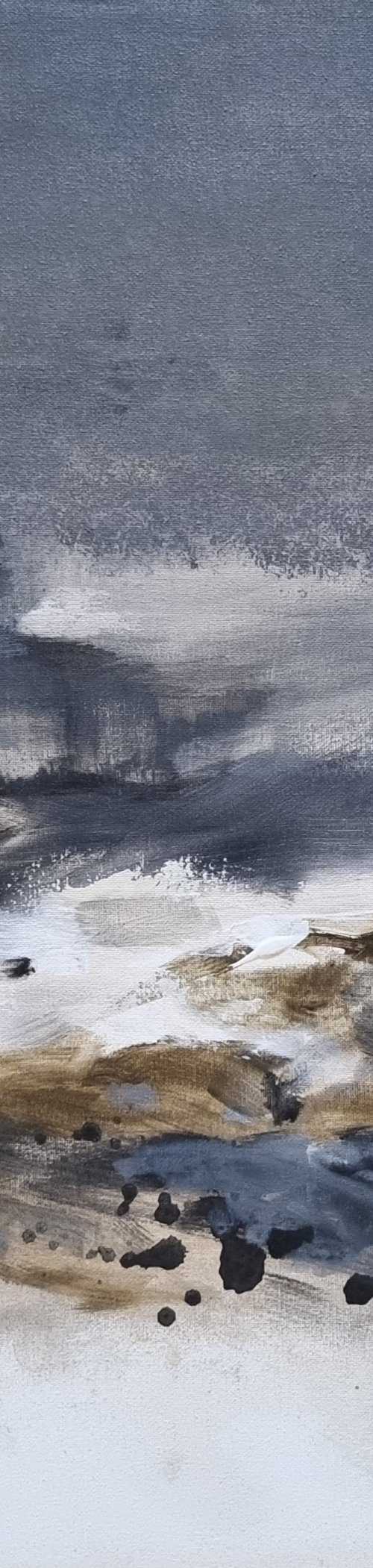
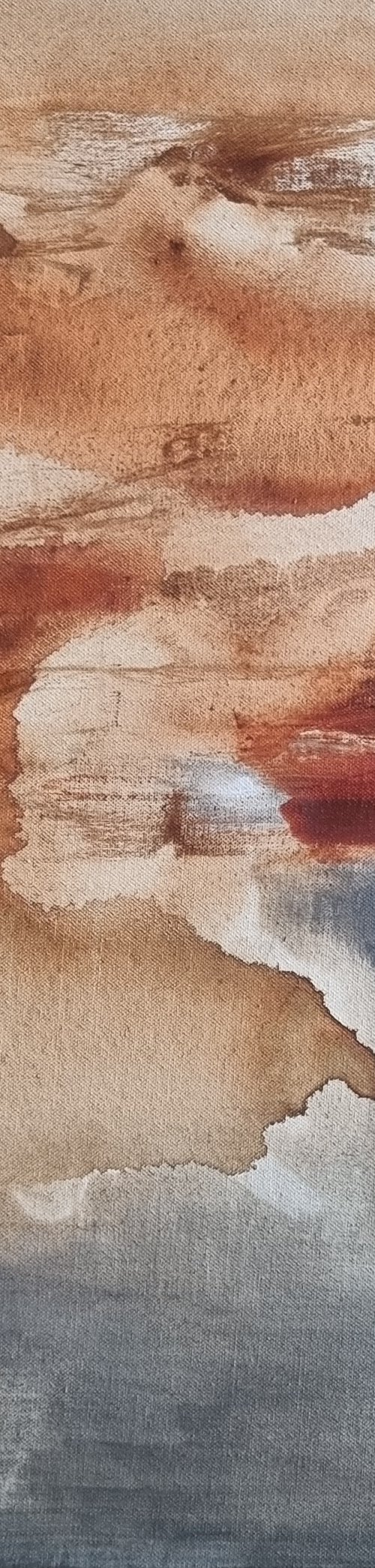
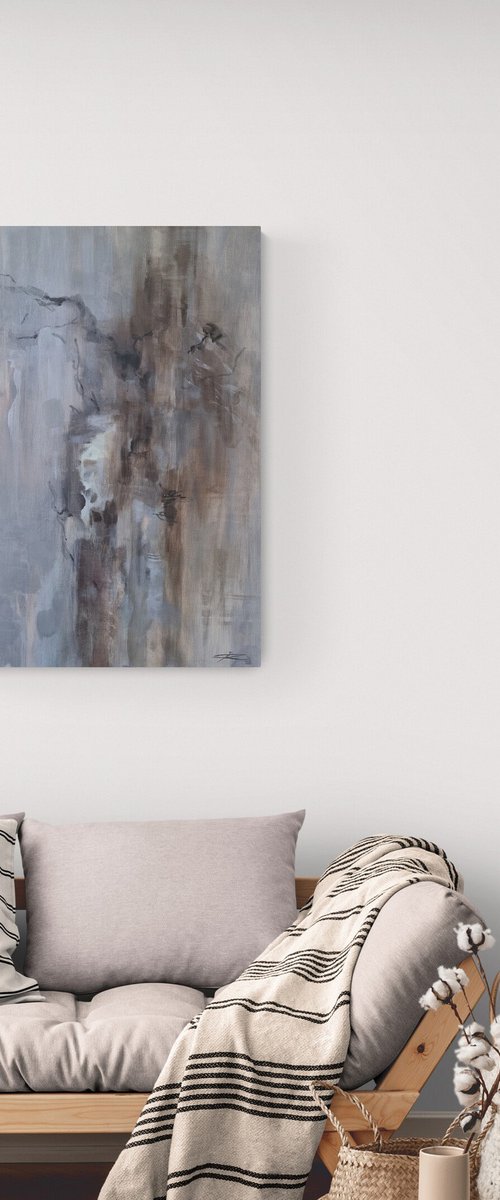
Art critic Dr. Dalia Karatajienė says about my painting: "The artist's paintings have distinctive features indicating that Irmantė has her own way of visual language. She also has a unique approach to the purpose served by her art. In the creative process, as Irmantė herself states, she feels like she is experimenting and wandering through a creative land she will never fully understand, where unexpected discoveries both delight and surprise her. She wishes the viewers to have complete freedom while envisioning her artwork, without giving her artwork any specific names that could become a compass for the viewers' perception. As a matter of fact, Irmantė's artwork unfold a large, unlimited space to the viewer's perception, open for free interpretations. Although Irmantė's paintings often resemble landscapes with generalized forms, it would be most accurate to call them abstractions, as the author herself does. The connection of these abstractions with nature is evident by the often-existing line of the horizon in the center of the painting, which composes the tension of the dynamics as well as culminations of visual events present. Multidirectional strokes usually meet in a focal point, from here colors spread over the entire area of the painting, gradually losing intensity, until finally they dissolve in the abstract depth of space that harmonize the color of the painting. This space is bright, therefore, always conducive to a positive perception of the picture. The language of Irmantė's artistic expression is soft and delicate, she does not use aggressive, bright color contrasts, nor dramatic contrasts of forms. Therefore, Irmantė's works are always pleasing to the eye and, having a visual similarity to a panoramic landscape, are perceived as a natural, almost organic portrayal that is acceptable and familiar to the viewer.
Despite the fact that the artist's paintings are reminiscent of landscapes, they are primarily heralds of the formation of an inner mood, since abstraction itself can be described not only as a picture that does not depict anything concrete, but also as a work that imagines the mood, emotion or inner state of the creator perceived to the viewer. Managing simple but artistically coherent compositions, balanced in terms of rhythm, masses and color tones, Irmantė also shows the viewers the possibility of harmony in the inner world, revealing it’s endless bright and sensitive sides."
Biography
Art critic Dr. Dalia Karatajienė says about my painting: "The artist's paintings have distinctive features indicating that Irmantė has her own way of visual language. She also has a unique approach to the purpose served by her art. In the creative process, as Irmantė herself states, she feels like she is experimenting and wandering through a creative land she will never fully understand, where unexpected discoveries both delight and surprise her. She wishes the viewers to have complete freedom while envisioning her artwork, without giving her artwork any specific names that could become a compass for the viewers' perception. As a matter of fact, Irmantė's artwork unfold a large, unlimited space to the viewer's perception, open for free interpretations. Although Irmantė's paintings often resemble landscapes with generalized forms, it would be most accurate to call them abstractions, as the author herself does. The connection of these abstractions with nature is evident by the often-existing line of the horizon in the center of the painting, which composes the tension of the dynamics as well as culminations of visual events present. Multidirectional strokes usually meet in a focal point, from here colors spread over the entire area of the painting, gradually losing intensity, until finally they dissolve in the abstract depth of space that harmonize the color of the painting. This space is bright, therefore, always conducive to a positive perception of the picture. The language of Irmantė's artistic expression is soft and delicate, she does not use aggressive, bright color contrasts, nor dramatic contrasts of forms. Therefore, Irmantė's works are always pleasing to the eye and, having a visual similarity to a panoramic landscape, are perceived as a natural, almost organic portrayal that is acceptable and familiar to the viewer.
Despite the fact that the artist's paintings are reminiscent of landscapes, they are primarily heralds of the formation of an inner mood, since abstraction itself can be described not only as a picture that does not depict anything concrete, but also as a work that imagines the mood, emotion or inner state of the creator perceived to the viewer. Managing simple but artistically coherent compositions, balanced in terms of rhythm, masses and color tones, Irmantė also shows the viewers the possibility of harmony in the inner world, revealing it’s endless bright and sensitive sides."
Education
1988
Šiauliai University
Education
1988
Šiauliai University
There are no upcoming events
Show previous eventsEvents
There are no upcoming events
Show previous events